CRISPR Screening for Drug Target Discovery: A Comprehensive Guide for Research Scientists
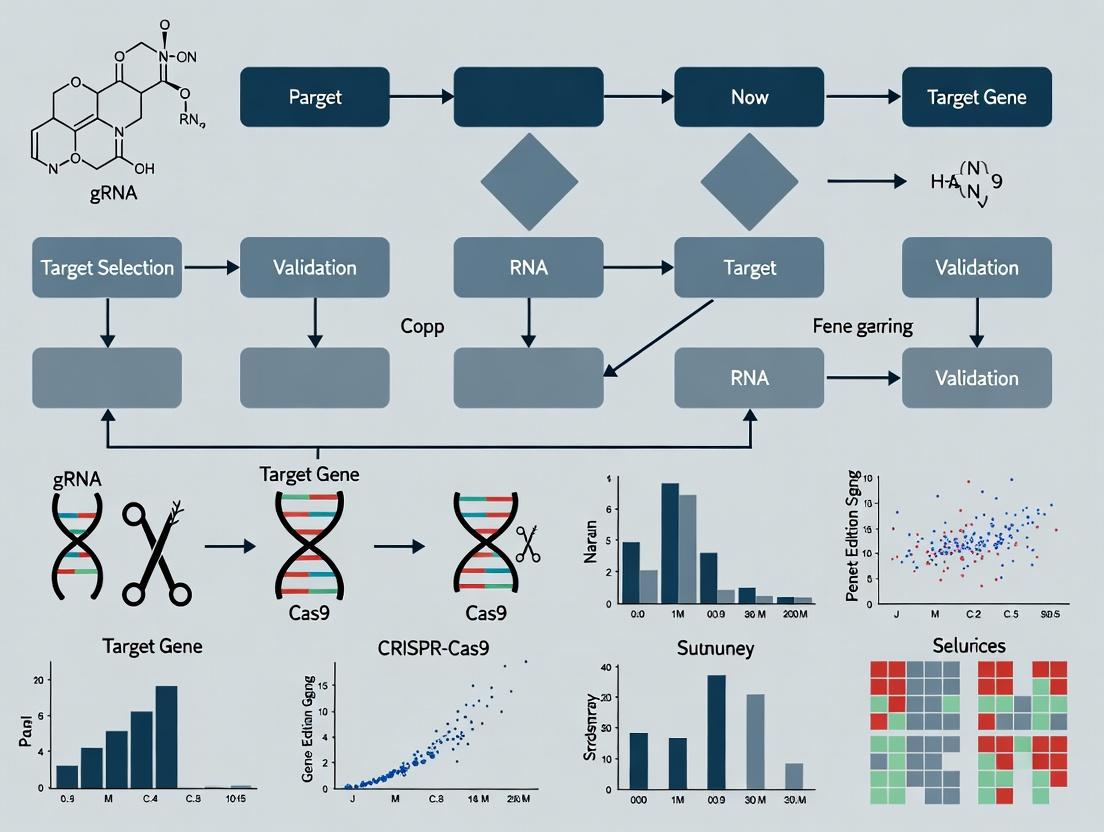
This article provides a detailed roadmap for researchers and drug development professionals on utilizing CRISPR screening to identify novel therapeutic targets.
CRISPR Screening for Drug Target Discovery: A Comprehensive Guide for Research Scientists
Abstract
This article provides a detailed roadmap for researchers and drug development professionals on utilizing CRISPR screening to identify novel therapeutic targets. We cover foundational concepts from basic mechanisms to screen design principles. We then explore methodological execution, including library design, screening formats, and hit validation workflows. Practical guidance is offered for troubleshooting common experimental pitfalls and optimizing screen performance. Finally, we address the critical phase of target validation, comparing CRISPR screening to alternative technologies and outlining strategies for prioritizing hits. This guide synthesizes current best practices to empower efficient and robust drug target identification.
Demystifying CRISPR Screens: Core Concepts and Strategic Planning for Target Identification
What is a CRISPR Screen? From Gene Editing to Genome-Wide Functional Genomics
CRISPR screens have revolutionized functional genomics by enabling systematic, genome-scale interrogation of gene function. Framed within drug target identification research, these screens identify genes whose perturbation modulates a phenotype of interest—such as cell viability, drug resistance, or a specific signaling output—thereby pinpointing novel therapeutic targets and mechanisms. This whitepaper provides an in-depth technical guide to the core principles, methodologies, and applications of CRISPR screening.
The adaptation of the microbial CRISPR-Cas9 system into a programmable genome-editing tool provided the foundation for high-throughput genetic screens. While initial applications focused on targeted gene editing, the development of pooled guide RNA (gRNA) libraries enabled the simultaneous targeting of thousands of genes, shifting the paradigm from single-gene studies to genome-wide functional analysis.
In drug discovery, CRISPR screens are pivotal for target identification and validation. By revealing genes essential for cell fitness in specific contexts (e.g., oncogene-addicted cancer cells) or genes that modulate response to a drug, they directly inform therapeutic strategies and biomarker development.
Core Principles and Screen Types
CRISPR screens utilize a library of single guide RNAs (sgRNAs) delivered en masse to a population of cells expressing the Cas9 nuclease. The phenotypic selection or sorting of cells, followed by deep sequencing of sgRNA barcodes, reveals which genetic perturbations are enriched or depleted.
Primary Screen Modalities
| Screen Type | Phenotype Readout | Key Application in Drug Discovery | Typical Library Size (Genes) |
|---|---|---|---|
| Knockout (KO) | Loss-of-function via indel | Identify essential genes & synthetic lethal partners | Genome-wide (~20,000) |
| CRISPRi | Transcriptional repression | Study essential genes & hypomorphic phenotypes | Focused or genome-wide |
| CRISPRa | Transcriptional activation | Identify genes whose overexpression confers phenotype | Focused or genome-wide |
| Base Editing | Specific nucleotide change | Model and study pathogenic SNVs or resistance mutations | Focused |
| CRISPR Knock-in | Endogenous tagging | Pathway analysis & protein localization studies | Focused |
Quantitative Performance Metrics
| Metric | Typical Value/Description | Importance for Target ID |
|---|---|---|
| Library Coverage (sgRNAs/gene) | 4-10 | Reduces false positives from off-target effects |
| Screen Noise (Pearson R²) | >0.8 (between replicates) | Ensures reproducibility of hit calls |
| Hit Stringency (FDR) | < 5% (Common Threshold) | Prioritizes high-confidence targets for validation |
| Gene Effect Score (e.g., CERES) | Continuous score (negative = essential) | Quantifies gene essentiality, allowing ranking |
Detailed Experimental Protocol for a Pooled Knockout Screen
This protocol outlines a standard genome-wide dropout screen to identify genes essential for cell proliferation.
Stage 1: Library Design and Preparation
- Library Selection: Choose a validated genome-wide library (e.g., Brunello, Brie, or similar). These contain ~4-6 sgRNAs per gene and ~1000 non-targeting control guides.
- Library Amplification: Transform the plasmid library into E. coli and culture on large-scale agar plates to maintain representation. Isolve the plasmid DNA using a maxiprep kit. Quantify by fluorometry.
Stage 2: Cell Line Engineering & Viral Transduction
- Generate Cas9-Expressing Cells: Stably transduce your target cell line (relevant to disease) with a lentivirus expressing Cas9. Select with blasticidin or puromycin for 7+ days.
- Virus Production: Co-transfect HEK293T cells with the sgRNA library plasmid, psPAX2 (packaging), and pMD2.G (envelope) plasmids using PEI transfection reagent. Harvest lentivirus-containing supernatant at 48 and 72 hours.
- Transduction: Titrate virus on Cas9 cells to achieve an MOI of ~0.3-0.4, ensuring most cells receive only one sgRNA. Transduce at a library coverage of 500-1000 cells per sgRNA to maintain representation. Add polybrene (8 µg/mL) to enhance infection.
- Selection: Begin puromycin selection (for sgRNA vector) 48 hours post-transduction. Maintain selection for 5-7 days until all control cells are dead.
Stage 3: Phenotypic Selection and Harvest
- Passaging: After selection (Day 0), passage cells, maintaining minimum coverage. Harvest a genomic DNA (gDNA) sample from at least 5e6 cells as the T0 reference.
- Phenotype Application: Continue culturing cells for 14-21 population doublings. For a viability screen, this is the "dropout" period where cells with essential gene knockouts are depleted.
- Endpoint Harvest: Harvest at least 5e6 cells at the endpoint (T_end). Collect cell pellets and store at -80°C.
Stage 4: Next-Generation Sequencing (NGS) Library Preparation
- gDNA Extraction: Use a large-scale gDNA extraction kit (e.g., Qiagen Blood & Cell Culture DNA Maxi Kit) from T0 and T_end pellets.
- sgRNA Amplification: Perform a two-step PCR.
- Primary PCR: Amplify the sgRNA cassette from gDNA using primers containing partial Illumina adapter sequences. Use a high-fidelity polymerase. Scale reactions to maintain representation.
- Indexing PCR: Add full Illumina adapters and sample-specific dual indices. Clean up PCR products with SPRI beads.
- Sequencing: Pool libraries and sequence on an Illumina HiSeq or NovaSeq platform to achieve >500 reads per sgRNA.
Stage 5: Computational Analysis
- Read Alignment: Align sequencing reads to the reference sgRNA library using a tool like
MAGeCKorCRISPResso2. - sgRNA Count Normalization: Normalize read counts across samples (e.g., using median ratio normalization).
- Hit Calling: Use a robust rank aggregation (RRA) algorithm in
MAGeCKorBAGELto identify genes whose sgRNAs are significantly depleted (essential genes) or enriched (resistance genes) in T_end vs. T0, compared to control guides. Apply a False Discovery Rate (FDR) cutoff (e.g., 5%).
Key Signaling Pathways Interrogated in Drug Target Screens
CRISPR screens are frequently deployed to dissect specific pathways critical in disease.
Standard CRISPR Screen Workflow
A visual summary of the end-to-end process for a pooled viability screen.
The Scientist's Toolkit: Research Reagent Solutions
| Item | Function/Description | Example Vendor/Product |
|---|---|---|
| Validated sgRNA Library | Pre-designed, cloned pools targeting the genome or a subset. Ensures reproducibility. | Addgene (Brunello, Brie); Custom (Twist Bioscience) |
| Lentiviral Packaging Plasmids | Required for producing replication-incompetent lentivirus to deliver sgRNAs. | Addgene (psPAX2, pMD2.G) |
| Cas9 Stable Cell Line | Cell line constitutively expressing Cas9 nuclease, simplifying screen execution. | Generated in-house; Commercially available from ATCC/SNL |
| Polycation Transfection Reagent | For high-efficiency co-transfection of packaging plasmids in HEK293T cells. | Polyethylenimine (PEI); Lipofectamine 3000 |
| Selection Antibiotics | To select for cells successfully transduced with Cas9 or sgRNA constructs. | Puromycin, Blasticidin S |
| High-Fidelity PCR Mix | For accurate amplification of sgRNA sequences from genomic DNA without bias. | NEB Q5, KAPA HiFi |
| SPRI Beads | For size selection and clean-up of NGS libraries, replacing traditional column purifications. | Beckman Coulter AMPure XP |
| Analysis Software | Computational tools for aligning reads, normalizing counts, and statistical hit calling. | MAGeCK, CRISPResso2, BAGEL |
Advanced Applications in Drug Target Identification
Modifier Screens
These screens identify genes that alter cellular response to a therapeutic compound.
- Protocol Mod: After selection, split cells into vehicle and drug-treated cohorts. Treat with an IC50-IC80 concentration of the drug for 10-14 days. Harvest gDNA from both arms and process in parallel. Hit genes show differential sgRNA abundance between arms (e.g., sgRNAs targeting a resistance gene are enriched in the drug arm).
In Vivo CRISPR Screens
Cells carrying the sgRNA library are implanted into animal models to identify genes affecting tumor growth, metastasis, or immune evasion in a physiological context.
- Protocol Mod: After in vitro transduction and selection, inject cells into immunodeficient or humanized mice. Harvest tumors after several weeks, extract gDNA, and sequence to identify sgRNAs enriched/depleted compared to the pre-injection pool.
CRISPR screening is an indispensable pillar of modern functional genomics and target discovery. By providing an unbiased, systematic approach to mapping genotype to phenotype, it accelerates the identification and prioritization of novel therapeutic targets. As methodologies evolve—with improved base editing, single-cell readouts, and in vivo models—the precision and biological relevance of these screens will further transform the landscape of drug development.
Within the thesis of CRISPR screen for drug target identification, the technology has evolved from a gene-editing tool to a cornerstone of functional genomics. This whitepaper details its core applications in modern drug discovery, providing researchers with a technical guide to uncover novel therapeutic targets, elucidate resistance pathways, and identify synthetic lethal interactions.
Uncovering Novel Drug Targets
Genome-wide CRISPR-Cas9 knockout (CRISPRko) screens are the standard for identifying genes essential for cell proliferation or survival in specific disease contexts. Positive selection screens identify genes whose loss confers a survival disadvantage, pointing to potential therapeutic targets.
Protocol: Genome-wide Positive Selection Screen
Objective: Identify genes essential for cancer cell line viability. Materials:
- Library: Brunello or Toronto KnockOut (TKO) v3 human genome-wide sgRNA library (~70,000 sgRNAs targeting ~19,000 genes).
- Cells: Target cancer cell line (e.g., A549 lung carcinoma).
- Vectors: lentiCRISPRv2 or similar lentiviral backbone.
- Reagents: Polybrene (8 µg/mL), Puromycin (2 µg/mL), PEG-it virus concentration solution.
Methodology:
- Library Production: Generate high-titer lentivirus for the sgRNA library in HEK293T cells.
- Cell Infection: Infect target cells at a low MOI (~0.3) to ensure single integration. Maintain a representation of >500 cells per sgRNA.
- Selection: Treat with puromycin for 72h to select transduced cells.
- Harvest Timepoints: Collect genomic DNA (gDNA) at the initial timepoint (T0, post-selection) and after ~14 population doublings (Tfinal).
- Amplification & Sequencing: PCR amplify integrated sgRNA sequences from gDNA and perform next-generation sequencing (NGS).
- Analysis: Align sequences to the reference library. Use MAGeCK or BAGEL2 algorithms to compare sgRNA abundance between T0 and Tfinal. Genes with significantly depleted sgRNAs are identified as essential hits.
Table 1: Example Hit Data from a Positive Selection Screen in A549 Cells
| Gene | Function | MAGeCK Beta Score* | p-value | FDR |
|---|---|---|---|---|
| KRAS | Oncogene | -3.45 | 2.1E-12 | 4.5E-09 |
| CDK1 | Cell cycle | -2.98 | 5.7E-10 | 1.2E-07 |
| PCNA | DNA replication | -2.76 | 3.4E-09 | 6.1E-07 |
*Negative Beta score indicates depletion.
Genome-Wide Positive Selection CRISPR Screen Workflow
Elucidating Resistance Mechanisms
CRISPR activation (CRISPRa) and knockout screens can model and identify genes that confer resistance to therapeutic agents. This is critical for understanding and pre-empting clinical drug resistance.
Protocol: Resistance Screen with CRISPRa
Objective: Identify genes whose overexpression causes resistance to drug X. Materials:
- Library: Calabrese or SAM genome-wide sgRNA library for CRISPRa.
- Cells: Cell line sensitive to drug X, expressing dCas9-VP64 (CRISPRa system).
- Drug: Therapeutic compound of interest (Drug X).
Methodology:
- Perform library infection and selection as in 1.1.
- Split cells into two arms: DMSO control and Drug X treatment (at IC70-IC90 concentration).
- Culture cells for 14-21 days, replenishing drug/media regularly.
- Harvest gDNA from both arms and process for NGS.
- Analysis: Identify sgRNAs significantly enriched in the Drug X arm compared to the DMSO control. The genes targeted by these sgRNAs are candidate resistance drivers.
Table 2: Example Resistance Hits from a PARP Inhibitor Screen
| Gene | Pathway | Log2 Fold Change (Drug/Control) | p-value | Proposed Mechanism |
|---|---|---|---|---|
| ABCB1 | Efflux transporter | 4.2 | 7.3E-08 | Increased drug efflux |
| 53BP1 | DNA damage repair | 3.1 | 2.4E-06 | Restoration of NHEJ |
| PARP1 | Target enzyme | -5.8 | 1.1E-10 | Loss of target (sensitizer) |
CRISPRa Screen for Drug Resistance Genes
Identifying Synthetic Lethalities
CRISPRko screens in isogenic pairs (e.g., BRCA1 mutant vs. wild-type) or with specific inhibitors are used to discover synthetic lethal interactions, the basis for novel combination therapies.
Protocol: Synthetic Lethality Screen
Objective: Find genes essential in an oncogenic mutant background but not in wild-type. Materials:
- Library: Focused sgRNA library targeting DNA repair or metabolic pathways.
- Cells: Isogenic cell pair: MUT (e.g., BRCA1-/-) and WT.
- Optional: A selective agent (e.g., PARPi for BRCA1 context).
Methodology:
- Perform parallel screens in MUT and WT cell lines (with or without a selective agent).
- Follow the positive selection protocol for each arm.
- Analysis: Compare gene essentiality profiles between conditions. A synthetic lethal hit shows significant depletion of sgRNAs in the MUT background (or MUT + Drug) but not in the WT background.
Table 3: Synthetic Lethal Interaction Analysis (BRCA1-/- vs. WT)
| Gene | WT Beta Score | BRCA1-/- Beta Score | Synthetic Lethality Score* | p-value (MUT vs WT) |
|---|---|---|---|---|
| POLQ | -0.32 | -4.12 | 3.80 | 1.5E-09 |
| RAD52 | 0.21 | -3.45 | 3.66 | 6.2E-08 |
| ATR | -1.25 | -3.89 | 2.64 | 3.1E-05 |
*Calculated as (WT Score - MUT Score).
Synthetic Lethality: PARP Inhibition in BRCA1 Deficiency
The Scientist's Toolkit: Research Reagent Solutions
Table 4: Essential Reagents for CRISPR Screening
| Reagent | Function & Description | Example Vendor/Product |
|---|---|---|
| Genome-wide sgRNA Library | Pre-designed pool of sgRNAs targeting all human genes for loss- or gain-of-function screens. | Addgene (Brunello, TKOv3, Calabrese) |
| Lentiviral Packaging System | Plasmids and reagents to produce lentivirus for sgRNA delivery into target cells. | Dharmacon (MISSION Lentiviral Packaging Mix) |
| dCas9-VP64/SAM System | Catalytically dead Cas9 fused to transcriptional activators for CRISPRa screens. | Addgene (lenti-dCas9-VP64_Blast, MS2-p65-HSF1) |
| Next-Generation Sequencing Kit | For preparing and sequencing amplicons of sgRNA inserts from genomic DNA. | Illumina (MiSeq, Nextera XT) |
| CRISPR Screen Analysis Software | Bioinformatics tools for quantifying sgRNA depletion/enrichment and statistical analysis. | MAGeCK, BAGEL2, CRISPRcleanR |
| Positive/Negative Control sgRNAs | Essential (e.g., RPA3) and non-essential (e.g., AAVS1) targeting guides for screen QC. | Synthego, Integrated DNA Technologies |
| Puromycin/Selection Antibiotics | For selecting successfully transduced cells post-infection. | Thermo Fisher Scientific (Gibco) |
| Genomic DNA Extraction Kit | High-yield gDNA extraction from large cell pellets (≥ 1e7 cells). | Qiagen (Blood & Cell Culture DNA Maxi Kit) |
Within the strategic framework of drug target identification, functional genomic screens using CRISPR-Cas systems have become indispensable. By systematically perturbing gene function across the genome, researchers can identify genes essential for cell viability, disease pathways, or drug response. The three core screen types—CRISPRko, CRISPRi, and CRISPRa—offer complementary approaches for loss-of-function and gain-of-function studies, each with distinct mechanistic bases and experimental considerations. This guide provides a technical deep dive into these methodologies, contextualized for target discovery and validation pipelines in pharmaceutical research.
CRISPR Knockout (CRISPRko)
CRISPRko utilizes the endonuclease activity of Cas9 (commonly Streptococcus pyogenes Cas9) to create double-strand breaks (DSBs) in the coding sequence of a target gene. The repair via error-prone non-homologous end joining (NHEJ) leads to insertion/deletion (indel) mutations, resulting in frameshifts and premature stop codons, thereby knocking out gene function.
Key Application in Drug Discovery: Identification of essential genes whose loss compromises cell survival or disease phenotype (e.g., tumor growth). These genes represent potential therapeutic targets, especially in oncology.
Experimental Protocol for a Pooled CRISPRko Screen
- Library Design: Utilize a genome-wide sgRNA library (e.g., Brunello, Brie, or GeCKOv2). Typically, 3-6 sgRNAs per gene are used, plus non-targeting control sgRNAs.
- Virus Production: Clone the sgRNA library into a lentiviral vector containing the sgRNA expression cassette. Produce lentivirus in HEK293T cells.
- Cell Transduction: Transduce the target cell population (e.g., a cancer cell line) at a low Multiplicity of Infection (MOI ~0.3-0.4) to ensure most cells receive only one sgRNA. Use puromycin selection to generate a stable knockout pool.
- Phenotypic Selection: Culture the pooled population for 2-4 weeks (or apply a selective pressure such as a drug treatment). Collect genomic DNA at the initial (T0) and final (Tfinal) time points.
- Sequencing & Analysis: Amplify the integrated sgRNA sequences by PCR and perform next-generation sequencing (NGS). Quantify sgRNA abundance depletion or enrichment using specialized algorithms (MAGeCK, BAGEL).
CRISPR Interference (CRISPRi)
CRISPRi employs a catalytically "dead" Cas9 (dCas9) fused to a transcriptional repressor domain, commonly KRAB (Krüppel-associated box). The dCas9-KRAB complex binds to the promoter or early transcribed region of a target gene via an sgRNA, recruiting chromatin modifiers that silence transcription without altering the DNA sequence.
Key Application in Drug Discovery: Allows reversible, titratable knockdown of gene expression, suitable for studying essential genes where complete knockout is lethal and for modeling partial loss-of-function phenotypes relevant to haploinsufficiency or inhibitor treatment.
Experimental Protocol for a Pooled CRISPRi Screen
- Cell Line Engineering: Stably express dCas9-KRAB in the target cell line using lentiviral transduction and selection (e.g., blasticidin).
- Library Design & Transduction: Use a specialized sgRNA library designed to target transcription start sites (TSSs), typically -50 to +300 bp relative to the TSS. Perform lentiviral transduction and selection as in CRISPRko.
- Phenotypic Selection & Analysis: Conduct the phenotypic assay and NGS-based sgRNA quantification similarly to CRISPRko. The readout is the change in sgRNA abundance following selection for genes whose repression confers a fitness advantage or disadvantage.
CRISPR Activation (CRISPRa)
CRISPRa uses dCas9 fused to transcriptional activation domains. Common architectures include dCas9-VP64 (a minimal activator) or more robust systems like dCas9-VPR (VP64-p65-Rta) or the SunTag system. The complex is guided to the promoter region of a target gene to upregulate its expression.
Key Application in Drug Discovery: Identifies genes whose overexpression confers a selective advantage (e.g., drug resistance) or rescues a disease phenotype. This is pivotal for identifying suppressor genes or modeling gene amplification events.
Experimental Protocol for a Pooled CRISPRa Screen
- Cell Line Engineering: Stably express the chosen activator (e.g., dCas9-VPR) in the target cell line.
- Library Design & Transduction: Use a sgRNA library designed to target regions ~200-400 bp upstream of the TSS. Transduce and select the pooled population.
- Selection & Analysis: Apply a selective pressure where gene activation is beneficial (e.g., growth in low-nutrient media, or treatment with a sub-lethal drug dose). Isolate genomic DNA and analyze sgRNA enrichment via NGS.
Comparative Analysis of Core Screen Types
Table 1: Key Characteristics of CRISPRko, CRISPRi, and CRISPRa
| Feature | CRISPRko | CRISPRi | CRISPRa |
|---|---|---|---|
| Cas Protein | Wild-type Cas9 (Nuclease) | dCas9 fused to KRAB repressor | dCas9 fused to activators (e.g., VPR) |
| Mechanism | Creates indels via NHEJ; permanent knockout | Epigenetic repression of transcription; reversible | Transcriptional activation; reversible |
| Target Locus | Coding exons (early exons preferred) | Transcription Start Site (TSS) | Proximal promoter upstream of TSS |
| Efficacy | Near-complete loss-of-function (varies by indel) | Typically 70-95% knockdown | Often 2-10+ fold activation |
| Pleiotropy/Off-target | High (DNA damage response, genomic deletions) | Lower (no DNA damage) | Lower (no DNA damage) |
| Best for | Identifying essential genes, complete LOF | Titratable knockdown, essential gene studies | Gain-of-function, suppressor screens |
| Typical Fold-Change (Essential Gene) | Strong depletion (>5-fold) | Moderate depletion (2-5-fold) | Not applicable |
Table 2: Quantitative Performance Metrics in a Standard Fitness Screen
| Metric | CRISPRko (Brunello) | CRISPRi (TSS-targeting) | CRISPRa (SAM/CRISPRa v2) |
|---|---|---|---|
| sgRNAs per Gene | 4-6 | 3-10 | 3-10 |
| Library Size (Human) | ~77,000 sgRNAs | ~100,000 sgRNAs | ~70,000 sgRNAs |
| Knockdown/Efficiency* | ~90-100% KO | ~80-95% KD | 5-50x Activation |
| Optimal MOI | 0.3 - 0.4 | 0.2 - 0.3 | 0.2 - 0.3 |
| Coverage (Cells/sgRNA) | >500 | >500 | >500 |
Average values; *Highly dependent on target gene and system.
The Scientist's Toolkit: Key Reagent Solutions
Table 3: Essential Research Reagents for CRISPR Screens
| Item | Function & Critical Note |
|---|---|
| Validated sgRNA Library (e.g., Brunello, Dolcetto) | Pre-designed, synthesized pools of sgRNAs with high on-target efficiency and minimal off-target effects. Essential for screen reproducibility. |
| Lentiviral Packaging Plasmids (psPAX2, pMD2.G) | Second- and third-generation packaging plasmids for producing replication-incompetent lentivirus to deliver CRISPR components. |
| Stable Cell Lines (dCas9-KRAB/VPR) | Cell lines engineered to constitutively express the required Cas9 variant. Validated clones ensure consistent screen performance. |
| Next-Generation Sequencing Kit | For high-throughput sequencing of sgRNA amplicons. Must provide high, even coverage of the entire library. |
| Pooled Screen Analysis Software (MAGeCK, BAGEL) | Computational tools for quantifying sgRNA abundance changes and statistically ranking hit genes from NGS data. |
| Selection Antibiotics (Puromycin, Blasticidin) | For selecting successfully transduced cells post-lentiviral infection. Concentration must be pre-titrated for each cell line. |
| Genomic DNA Isolation Kit (Large-Scale) | For high-yield, high-purity gDNA extraction from millions of pooled cells prior to sgRNA amplification for NGS. |
Visualizing Core CRISPR Screening Workflows
Title: CRISPRko Pooled Screening Experimental Workflow
Title: CRISPRi & CRISPRa Transcriptional Modulation Mechanism
Title: Decision Tree for Selecting CRISPR Screen Type
CRISPR-based functional genomics screens have revolutionized systematic drug target discovery. This approach enables genome-wide interrogation of gene function to identify genetic modifiers of disease phenotypes, therapeutic sensitivity, or resistance. The efficacy and interpretability of these screens are fundamentally dependent on three core technological pillars: the design and composition of guide RNA (gRNA) libraries, the selection of Cas effector enzymes, and the efficiency of delivery systems. This guide provides an in-depth technical analysis of these components, focusing on their optimization for robust, high-quality screening data that directly informs target identification and validation pipelines in pharmaceutical research.
Guide RNA Libraries: Design, Composition, and Specificity
The gRNA library is the targeting blueprint of a CRISPR screen. Its design dictates which genomic loci are perturbed and with what efficiency and specificity.
2.1 Library Design Strategies
- Genome-Wide Libraries: Target every annotated gene, typically with 3-6 gRNAs per gene, plus non-targeting control gRNAs. Examples include the Brunello and Human GeCKO libraries.
- Focused/Sublibraries: Target a specific gene set (e.g., kinases, GPCRs, safety genes) with high coverage (e.g., 10-20 gRNAs/gene), enabling deeper interrogation with smaller screen sizes.
- Non-Targeting Controls: Essential for determining background noise and false-positive rates. Modern libraries incorporate hundreds of distinct control gRNAs with no perfect matches to the genome.
- CRISPRi/a Libraries: For perturbation of non-coding regions (enhancers, promoters) or for tunable modulation, libraries are designed with specific positioning rules relative to the transcription start site (TSS).
2.2 Key Design Parameters and Quantitative Benchmarks
Table 1: Key Parameters for Modern gRNA Library Design
| Parameter | Optimal Value/Range | Rationale & Impact on Screen Quality |
|---|---|---|
| gRNAs per Gene | 3-6 (genome-wide); 10-20 (focused) | Balances library size, cost, and statistical power for hit confirmation. |
| gRNA Length | 20 nt (SpCas9 standard) | Specificity increases with length; 20-nt is the standard balance. Truncated gRNAs (17-18 nt) can enhance specificity. |
| On-Target Efficiency Score | >0.5 (e.g., from Doench 2016 rule set) | Predicts cleavage efficiency. Higher scores correlate with stronger knockout phenotypes. |
| Off-Target Specificity Score | <60 predicted off-targets (e.g., CFD score) | Minimizes off-target effects. Designs should avoid sites with perfect seed matches in the genome. |
| Control gRNAs | 100-1000 non-targeting guides | Critical for normalization and statistical analysis. Should match the library's GC content and length distribution. |
2.3 Experimental Protocol: gRNA Library Cloning and Amplification
Objective: Generate a high-complexity, sequence-verified plasmid library for screening. Materials: Synthesized oligonucleotide pool, lentiviral backbone (e.g., lentiCRISPRv2, lentiGuide-Puro), high-efficiency competent cells (NEB Stable), maxiprep kits. Method:
- Pool Amplification: Amplify the synthesized oligo pool via PCR using primers adding flanking restriction sites (e.g., BsmBI).
- Restriction Digestion: Digest both the amplified pool and the lentiviral backbone with BsmBI (Type IIs enzyme).
- Golden Gate Assembly: Perform a one-pot Golden Gate assembly, which favors the correct orientation of the gRNA insert.
- Electroporation: Transform the assembled product into a large volume of high-efficiency competent cells (≥10⁹ CFU/µg) to maintain library complexity.
- Plasmid Harvest: Culture transformed bacteria in large-volume liquid culture (≥500 mL) and perform maxipreps to harvest the plasmid library.
- Quality Control (QC): Verify complexity by next-generation sequencing (NGS) of the plasmid pool to ensure uniform gRNA representation.
Cas Enzymes: Selection and Engineering for Diverse Screening Applications
The choice of Cas enzyme defines the type of genomic perturbation and influences screen design.
3.1 Cas9 Variants and Orthologs
Table 2: Comparison of Cas Enzymes for CRISPR Screening
| Enzyme | PAM Sequence | Size (aa) | Primary Application in Screens | Key Advantage |
|---|---|---|---|---|
| SpCas9 | NGG | 1368 | Standard gene knockout | Well-validated, high efficiency. |
| SpCas9-HF1 | NGG | ~1368 | High-fidelity knockout | Dramatically reduced off-target cleavage. |
| SaCas9 | NNGRRT | 1053 | Knockout with AAV delivery | Smaller size, compatible with AAV packaging. |
| Cas12a (Cpf1) | TTTV | ~1300 | Knockout or multiplexed screening | Creates staggered cuts, enables simpler multiplexing. |
| dCas9-KRAB | NGG | ~1900 | CRISPR interference (CRISPRi) | Represses transcription; minimal DNA damage. |
| dCas9-VPR | NGG | ~1900 | CRISPR activation (CRISPRa) | Activates transcription; identifies gain-of-function targets. |
3.2 Experimental Protocol: Generating a Stable Cas9-Expressing Cell Line
Objective: Create a polyclonal cell population with consistent, high-level Cas9 expression for knockout screens. Materials: Lentiviral vector for Cas9 (e.g., lentiCas9-Blast), packaging plasmids (psPAX2, pMD2.G), HEK293T cells, target cells, blasticidin. Method:
- Lentivirus Production: Co-transfect HEK293T cells with the lentiCas9-Blast and packaging plasmids using PEI or calcium phosphate. Harvest supernatant at 48 and 72 hours.
- Virus Transduction: Transduce target cells with the Cas9 lentivirus in the presence of polybrene (8 µg/mL). Perform a pilot transduction to determine the volume of virus needed for ~30% infection (MOI ~0.3-0.4).
- Selection: 48 hours post-transduction, begin selection with blasticidin (dose determined by kill curve). Maintain selection for 5-7 days until all uninfected control cells are dead.
- QC: Validate Cas9 activity via:
- Western Blot: Confirm Cas9 protein expression.
- Surveyor/T7E1 Assay: Transfect with a known gRNA targeting a housekeeping gene and measure indel frequency.
- Flow Cytometry: If using a fluorescent reporter (e.g., GFP-Cas9), assess expression uniformity.
Delivery Systems: Ensuring Efficient and Uniform Perturbation
Uniform delivery is critical to avoid bottlenecks that confound screen results.
4.1 Lentiviral Delivery: The Standard Method
Lentiviral vectors remain the gold standard for delivering gRNA libraries to mammalian cells due to their ability to infect dividing and non-dividing cells and provide stable genomic integration.
Key Considerations:
- Low MOI: A Multiplicity of Infection (MOI) of ~0.3-0.4 ensures most cells receive a single gRNA, preventing confounding multi-gene perturbations.
- High Representation: Maintain a library representation of ≥500 cells per gRNA at the infection step to prevent stochastic loss of gRNAs.
- Titer: Use concentrated virus to minimize the volume of supernatant added to cells.
4.2 Experimental Protocol: Lentiviral gRNA Library Transduction at Low MOI
Objective: Generate a polyclonal cell population where each cell is perturbed by a single gRNA, with full library coverage. Materials: High-titer lentiviral gRNA library (>10⁷ TU/mL), stable Cas9 cells, polybrene, puromycin, cell culture plates. Method:
- Scale Calculation: Determine the total number of cells needed: (Number of gRNAs in library) x (Desired coverage, e.g., 500) x (1/MOI, e.g., 3) = Total cells to infect.
- Pilot Titer: Perform a small-scale transduction at varying volumes of virus on Cas9 cells to determine the volume yielding 30-40% puromycin-resistant cells. This volume corresponds to MOI ~0.3-0.4.
- Large-Scale Transduction: Plate the calculated total number of Cas9 cells. Add the predetermined virus volume and polybrene (8 µg/mL). Spinoculate (centrifuge at 800 x g for 30-60 min at 32°C) to enhance infection efficiency.
- Selection: 24 hours post-transduction, change media. Begin puromycin selection (dose from kill curve) 48 hours post-transduction. Maintain selection for 5-7 days.
- Harvest T0 Sample: After selection, harvest a baseline population (at least the same number of cells as the infection representation) for genomic DNA extraction. This is the "T0" reference time point.
- Proceed with Screen: Split the remaining polyclonal population for the screen's experimental arms (e.g., drug treatment vs. vehicle control). Culture cells for the required duration, maintaining coverage.
Diagram 1: CRISPR Screening Workflow for Drug Target ID
Diagram 2: Cas Enzyme Modes for Genomic Perturbation
The Scientist's Toolkit: Essential Research Reagent Solutions
Table 3: Key Reagents and Materials for CRISPR Screening
| Reagent/Material | Supplier Examples | Function in CRISPR Screens |
|---|---|---|
| Synthesized gRNA Oligo Pool | Twist Bioscience, Agilent, IDT | Source of the defined gRNA library sequences for cloning. |
| Lentiviral Backbone Plasmid | Addgene (lentiGuide, lentiCRISPR) | Vector for gRNA expression, containing puromycin resistance. |
| Cas9 Expression Plasmid | Addgene (lentiCas9, pXPR vectors) | Source of Cas9, often with blasticidin resistance. |
| Lentiviral Packaging Plasmids | Addgene (psPAX2, pMD2.G) | Second-generation system for producing VSV-G pseudotyped virus. |
| High-Efficiency Competent Cells | NEB (Stable), Lucigen | Essential for transforming large plasmid libraries without losing complexity. |
| Polyethylenimine (PEI) | Polysciences, Sigma | Transfection reagent for efficient lentivirus production in HEK293T cells. |
| Polybrene | Sigma-Millipore | Cationic polymer that enhances viral transduction efficiency. |
| Puromycin Dihydrochloride | Thermo Fisher, Sigma | Selection antibiotic for cells transduced with gRNA library vectors. |
| Blasticidin S HCl | Thermo Fisher, InvivoGen | Selection antibiotic for cells expressing Cas9. |
| Genomic DNA Extraction Kit (Maxi) | Qiagen (Blood & Cell Culture Maxi), NucleoSpin | For high-yield, high-quality gDNA from millions of screen cells. |
| gRNA Amplification Primers & PCR Mix | IDT, KAPA Biosystems | To amplify integrated gRNA sequences from genomic DNA for NGS. |
| NGS Library Prep Kit | Illumina (Nextera), NEBnext | For preparing the amplified gRNA pool for sequencing. |
Within modern drug discovery, the systematic identification of high-confidence therapeutic targets is paramount. This technical guide details the integrated pipeline for transforming data from a genome-wide pooled CRISPR screen into a prioritized candidate gene list, framed within the broader thesis of accelerating target identification for novel oncology, immunology, and rare disease therapeutics. The process merges high-throughput functional genomics with rigorous bioinformatic and experimental triage.
The Core Pipeline: An Integrated Workflow
The pipeline is a multi-stage process designed to minimize false positives and converge on biologically validated targets.
Diagram 1: Core target identification pipeline workflow.
Stage 1: Pooled Screen Execution & Primary Analysis
Experimental Protocol: Genome-wide Pooled CRISPR-KO Screen (Positive Selection)
- Library Transduction: Transduce a target cell population (e.g., cancer cell line) with a lentiviral genome-wide sgRNA library (e.g., Brunello, Calabrese) at a low MOI (<0.3) to ensure single integration. Maintain >500 cells/sgRNA for representation.
- Selection & Passaging: Apply selective pressure (e.g., drug treatment, nutrient deprivation, infection). Passage cells for 14-21 population doublings, maintaining library coverage.
- Harvest & Sequencing: Harvest genomic DNA from the initial plasmid library (T0) and the final selected cell population (Tfinal). Amplify sgRNA cassettes via PCR and subject to Next-Generation Sequencing (NGS).
Data Presentation: Primary sequencing output is summarized as raw read counts per sgRNA.
Table 1: Example NGS Read Count Summary (Hypothetical Data)
| Sample | Total Reads | sgRNAs Detected (>10 reads) | Mean Reads per sgRNA |
|---|---|---|---|
| Plasmid Library (T0) | 45,000,000 | 99.8% | ~450 |
| Control Population (Tfinal) | 38,000,000 | 99.5% | ~380 |
| Treated Population (Tfinal) | 40,000,000 | 99.7% | ~400 |
Stage 2: Statistical Hit Identification
Quantitative data analysis identifies sgRNAs and genes with significant abundance changes.
Detailed Methodology: MAGeCK RRA Algorithm
- Normalization: Median-ratio normalize read counts across samples.
- Ranking: For each sgRNA, calculate a robust rank-based statistic comparing its fold-change to the distribution of negative control sgRNAs.
- Gene-level Score: Aggregate sgRNA rankings per gene using the Robust Rank Aggregation (RRA) algorithm, generating a p-value and false discovery rate (FDR).
- Thresholding: Genes with FDR < 0.05 (or stricter, e.g., 0.01) and positive log2 fold-change (for positive selection) are primary hits.
Table 2: Example Hit Statistics from MAGeCK Analysis
| Gene | sgRNAs | Log2 Fold-Change | RRA p-value | FDR |
|---|---|---|---|---|
| CDK2 | 4 | 3.45 | 1.2e-06 | 0.003 |
| MAPK1 | 6 | 2.89 | 5.7e-05 | 0.012 |
| GeneX | 4 | 2.15 | 0.0012 | 0.045 |
| (Negative Control) | Various | ~0.0 | > 0.5 | ~1.0 |
Stage 3: Bioinformatic Triaging & Prioritization
Primary hits are filtered and ranked using multiple data layers to generate a shorter list for validation.
Diagram 2: Bioinformatic triaging workflow for hit prioritization.
Table 3: Key Criteria for Bioinformatic Prioritization
| Criteria | Data Source | Purpose & Action |
|---|---|---|
| Common Essentiality | DepMap (Broad) | Filter out genes essential for viability in most cell lines, likely representing general toxicity. |
| Druggability | ChEMBL, PDB, DrugBank | Prioritize genes with known small-molecule binders or favorable binding pockets. |
| Disease Relevance | OMIM, GWAS, TCGA | Rank genes with prior genetic association to the disease of interest higher. |
| Pathway Convergence | GO, KEGG, Reactome | Identify master regulators or convergent pathways from multiple hits. |
| Expression Profile | GTEx, CCLE | Filter for targets expressed in relevant disease tissue with limited healthy tissue expression. |
Stage 4: Secondary Validation & Mechanistic Deconvolution
Experimental Protocol: Arrayed CRISPR-Cas9 Validation
- sgRNA Cloning: Clone 2-3 independent sgRNAs per prioritized gene into lentiviral vectors with a fluorescent marker.
- Arrayed Infection: Transduce target cells in a multi-well format (96/384-well), with separate wells for each sgRNA and controls (non-targeting, positive essential gene).
- Phenotypic Assay: Quantify the phenotypic readout (e.g., cell viability via ATP luminescence, imaging-based apoptosis, cytokine secretion) 5-7 days post-transduction.
- Rescue Experiment: For top candidates, perform genetic rescue by co-expressing a Cas9-resistant, wild-type cDNA of the target gene to confirm on-target effect.
Mechanistic Follow-up involves mapping the target gene into relevant signaling pathways.
Diagram 3: Example pathway mapping of a validated target gene.
The Scientist's Toolkit: Research Reagent Solutions
Table 4: Essential Reagents & Resources for the Pipeline
| Item | Function & Application | Key Considerations |
|---|---|---|
| Genome-wide sgRNA Library | Contains 4-6 sgRNAs per gene + non-targeting controls. Enables simultaneous interrogation of all genes. | Choice depends on organism (human/mouse), CRISPR mode (KO/i/a), and gene annotation (RefSeq/Ensembl). |
| Lentiviral Packaging System | Produces recombinant lentivirus to deliver sgRNA and Cas9 components into target cells. | 2nd/3rd generation systems for biosafety; essential for high transduction efficiency in pooled formats. |
| Next-Generation Sequencer | Enables deep sequencing of sgRNA barcodes to quantify their abundance pre- and post-selection. | High throughput (NovaSeq, NextSeq) required for whole-library coverage. |
| Bioinformatics Software (MAGeCK) | Statistical toolkit for identifying enriched/depleted genes from CRISPR screen count data. | Critical for robust hit calling; includes quality control and visualization modules. |
| Arrayed Validation sgRNAs | Individual, sequence-verified sgRNAs for candidate gene knockout in a low-throughput format. | Requires high efficiency and specificity; best practice is to use 2-3 independent sgRNAs per gene. |
| Phenotypic Assay Kits | Measure the relevant cellular output (viability, apoptosis, reporter activity, etc.). | Must be sensitive, scalable, and compatible with the cell model and experimental timeline. |
| Cas9-Expressing Cell Line | Stably expresses Cas9 nuclease, eliminating the need for co-delivery and improving screening consistency. | Requires validation of Cas9 activity and maintenance of expression over passages. |
Within the framework of CRISPR screening for drug target identification, the pre-screen planning phase is paramount. The success of the entire screen hinges on the rigorous definition of the cellular phenotype and the design of a robust selection strategy. This guide details the core technical considerations for establishing a strong phenotypic readout and the associated enrichment or depletion protocols that enable the identification of meaningful genetic modifiers.
Defining a Quantifiable and Biologically Relevant Phenotype
A strong phenotype must be directly linked to the disease model or biological pathway of interest, measurable with high precision, and capable of being modulated by genetic perturbation.
Phenotype Categories and Metrics
The table below summarizes common phenotypic classes and their quantitative measures.
Table 1: Phenotypic Categories and Associated Metrics for CRISPR Screening
| Phenotype Category | Example Readouts | Key Quantitative Metrics | Typical Assay Platform |
|---|---|---|---|
| Viability/Proliferation | Cell count, ATP content, Colony formation | Fold-change in cell number; IC50; Z'-factor (>0.5) | Luminescence, Imaging, Incucyte |
| Apoptosis | Caspase-3/7 activity, Annexin V staining, DNA fragmentation | % apoptotic cells; Fluorescence intensity ratio | Flow cytometry, Fluorescence microscopy |
| Cell Cycle | DNA content (PI), EdU incorporation | % cells in G1, S, G2/M phases | Flow cytometry |
| Differentiation/ Morphology | Surface markers, Cell shape/size, Neurite outgrowth | MFI of markers; Morphological index | Flow cytometry, High-content imaging |
| Migration/ Invasion | Wound closure, Transwell migration/Matrigel invasion | % wound closure; Number of invaded cells | Scratch assay, Boyden chamber, Imaging |
| Reporter Activity | Fluorescence (GFP), Luminescence (Luciferase) | Fluorescence Intensity (MFI); Luminescence RLU | Flow cytometry, Plate reader |
| Surface Marker Expression | Protein abundance (PD-L1, CD44) | Mean Fluorescence Intensity (MFI) | Flow cytometry |
| Drug/ Toxin Resistance | Survival in drug/toxin | LD50; Resistance fold-change | Viability assay |
Experimental Protocol: Establishing a Baseline Phenotype for Screening
Objective: To determine the optimal conditions (e.g., drug concentration, time point) for a resistance or sensitivity screen. Methodology:
- Cell Line Validation: Authenticate and ensure the cell line is mycoplasma-free. Engineer a stable Cas9-expressing clone if using a lentiviral delivery system.
- Pilot Dose-Response: Plate cells in 96-well plates. Treat with a serial dilution of the compound of interest (e.g., 8-point, 1:3 dilutions). Include DMSO vehicle controls.
- Incubation & Assay: Incubate for a predetermined time (e.g., 72h, 96h, 144h). Measure viability using a validated assay (e.g., CellTiter-Glo 3D).
- Data Analysis: Fit a dose-response curve (4-parameter logistic model). Calculate IC50/IC70/IC90 values.
- Selection Window Definition: For a positive selection (resistance) screen, choose a concentration that yields 10-30% survival (e.g., IC90). For negative selection (sensitivity), use a sub-lethal concentration (e.g., IC20-IC40) to identify synergistic lethality. The Z'-factor for the assay between positive (vehicle) and negative (high-concentration drug) controls should be >0.5, indicating excellent assay robustness.
Designing the Selection Strategy
The selection strategy determines how cells with desired phenotypes are enriched or depleted from the pooled library population.
Strategy Comparison
Table 2: Comparison of CRISPR Selection Strategies
| Strategy | Phenotype | Mechanism | Timeline | Key Considerations |
|---|---|---|---|---|
| Negative Selection (Depletion) | Loss of fitness (e.g., essentiality, drug sensitivity) | Depletion of sgRNA guides over time in proliferating population. | Long (≥14 population doublings) | Requires deep sequencing at multiple time points; sensitive to growth rate confounders. |
| Positive Selection (Enrichment) | Gain of fitness (e.g., drug resistance, survival under stress) | Enriched survival and outgrowth of specific clones. | Variable (days-weeks) | Cleaner signal but may identify fewer hits; risk of clonal dominance. |
| FACS-Based Sorting | Any measurable surface/intracellular marker (fluorescence) | Isolation of top/bottom percentile of a fluorescent signal via cell sorting. | Acute (1-2 days post-stimulus) | Enables complex phenotypes; limited by cell number and sorting efficiency. |
| Magnetic-Activated Cell Sorting (MACS) | Surface protein expression | Enrichment/depletion using magnetic beads. | Acute | High throughput, gentler than FACS; lower resolution. |
| Survival Under Stress | Resistance to toxin, nutrient deprivation, etc. | Application of a selective pressure that only resistant cells survive. | Days to weeks | Must tightly control pressure intensity; mimics physiological stress. |
Experimental Protocol: A Standard Positive Selection Screen for Drug Resistance
Objective: To identify gene knockouts that confer resistance to a targeted therapy. Workflow:
- Library Transduction: Transduce the Cas9-expressing cell line with the pooled sgRNA library (e.g., Brunello, ~75,000 sgRNAs) at a low MOI (~0.3) to ensure most cells receive one sgRNA. Use sufficient cells to maintain >500x library representation.
- Puromycin Selection: 24h post-transduction, add puromycin (1-3 µg/mL, pre-titrated) for 48-72h to select for successfully transduced cells.
- Recovery & Expansion: Remove puromycin and allow cells to recover and expand for 3-5 days to ensure complete gene knockout.
- Application of Selective Pressure: Split cells into two arms: Treatment (IC90 drug concentration) and Control (DMSO vehicle). Culture cells, maintaining representation, for 14-21 days, passaging as needed.
- Genomic DNA Harvesting: Pellet at least 1e7 cells per arm. Extract gDNA using a maxi-prep kit (e.g., Qiagen Blood & Cell Culture DNA Maxi Kit).
- sgRNA Amplification & Sequencing: Perform a two-step PCR to amplify the integrated sgRNA cassette from the gDNA and attach sequencing adapters/indexes. Use unique indexes for each condition. Purify amplicons and sequence on a NextSeq 500/550 (75bp single-end).
- Bioinformatic Analysis: Align reads to the sgRNA library reference. Count sgRNA reads per condition. Use algorithms (e.g., MAGeCK, BAGEL) to compare sgRNA abundance between treatment and control, identifying significantly enriched sgRNAs/genes.
Key Signaling Pathways Interrogated
CRISPR screens often target genes within specific pathways to understand mechanism of action or identify synthetic lethal partners.
The Scientist's Toolkit: Essential Research Reagents & Materials
Table 3: Key Reagents for CRISPR Pooled Screens
| Item | Function | Example/Notes |
|---|---|---|
| Cas9-Expressing Cell Line | Provides the nuclease for genomic cleavage. | Stable polyclonal or monoclonal line (e.g., HEK293T-Cas9, K562-Cas9). |
| Validated Pooled sgRNA Library | Targets genes across the genome with multiple guides per gene. | Human Brunello (4 sgRNAs/gene) or Mouse Brie libraries. Maintain >500x coverage. |
| Lentiviral Packaging Plasmids | Produces infectious lentiviral particles for sgRNA delivery. | psPAX2 (packaging) and pMD2.G (VSV-G envelope) systems. |
| Polycation Transfection Reagent | Facilitates plasmid transfection into packaging cells. | Polyethylenimine (PEI) or Lipofectamine 3000. |
| Puromycin (or other selectable marker) | Selects for cells successfully transduced with the sgRNA vector. | Concentration must be pre-titrated for each cell line. |
| CellTiter-Glo or Alternative Viability Assay | Quantifies cell number/viability for phenotypic pilot assays. | Luminescent ATP-based assays are standard. |
| Next-Generation Sequencing (NGS) Kit | For preparing sgRNA amplicons for sequencing. | Illumina-compatible kits (e.g., NEBNext Ultra II). |
| Genomic DNA Purification Kit | High-yield, high-quality gDNA extraction from cell pellets. | Qiagen Blood & Cell Culture DNA Maxi/Midi Kit. |
| Bioinformatics Software | Statistical analysis of sgRNA read counts to identify hits. | MAGeCK (Model-based Analysis of Genome-wide CRISPR-Cas9 Knockout). |
Executing Your CRISPR Screen: A Step-by-Step Protocol from Library to Data
Within the paradigm of functional genomics for drug discovery, CRISPR-Cas9 screening has emerged as a cornerstone technology for the systematic identification and validation of novel therapeutic targets. The core of any successful screen lies in the strategic selection of the guide RNA (gRNA) library, a decision that dictates the scope, resolution, and resource requirements of the entire campaign. This guide examines the critical choice between genome-wide and focused libraries and the essential vendor considerations, framed explicitly within the workflow of identifying high-confidence drug targets.
Library Type: A Strategic Comparison
The choice between library types is governed by the research hypothesis, available resources, and desired outcome.
Genome-Wide Libraries
Designed to interrogate every gene in the genome, these libraries offer an unbiased, hypothesis-generating approach. They are ideal for identifying novel genetic modifiers of a phenotype, mapping entire signaling pathways, or discovering synthetic lethal interactions in a specific genetic background (e.g., an oncogenic mutation).
Key Characteristics:
- Scale: Typically contain 70,000–120,000 gRNAs targeting 18,000–20,000 human genes.
- Design: Often employ 4-6 gRNAs per gene for robust statistical confidence.
- Application: Best for early discovery where the genetic landscape is unknown.
Focused (Sub-genome) Libraries
These libraries target a curated subset of genes, such as those encoding kinases, phosphatases, druggable genome, genes within a specific pathway (e.g., autophagy, DNA damage repair), or candidates from prior genomic studies.
Key Characteristics:
- Scale: Range from 100 to 10,000 genes, with higher gRNA density (e.g., 6-10 gRNAs/gene).
- Design: Enables deeper interrogation of each target, improving sensitivity.
- Application: Ideal for hypothesis-driven research, pathway dissection, and secondary validation of hits from a primary genome-wide screen.
Table 1: Quantitative Comparison of Library Types
| Feature | Genome-Wide Library | Focused Library |
|---|---|---|
| Gene Coverage | ~18,000-20,000 genes (whole genome) | 100 – 10,000 genes (curated set) |
| gRNA Density | 4-6 gRNAs per gene | 6-10+ gRNAs per gene |
| Screen Scale | Large (~70,000-120,000 gRNAs) | Medium to Small (~1,000-60,000 gRNAs) |
| Primary Goal | Unbiased discovery, novel target ID | Hypothesis testing, pathway analysis |
| Typical Cost | High (reagents, sequencing) | Moderate to Low |
| Data Complexity | Very High, requires robust bioinformatics | Lower, more manageable analysis |
| Best For | Early discovery, unknown biology | Validation, focused mechanisms |
Experimental Protocol: Core CRISPR Screen Workflow
The following is a generalized protocol for a pooled negative selection (dropout) screen, common in essentiality and drug-target identification studies.
A. Library Amplification and Lentivirus Production
- Transformation & Amplification: Transform the plasmid library (e.g., lentiCRISPRv2, GeCKO backbone) into high-efficiency E. coli and plate on large-format LB agar plates with appropriate antibiotic to maintain >200x library representation. Scrape and maxi-prep plasmid DNA.
- Lentiviral Production: Co-transfect the library plasmid with packaging (psPAX2) and envelope (pMD2.G) plasmids into Lenti-X 293T cells using PEI transfection reagent.
- Virus Harvest & Titering: Collect supernatant at 48 and 72 hours post-transfection, concentrate via ultracentrifugation or PEG-it, and determine functional titer (TU/mL) on target cells (e.g., using puromycin selection and cell counting).
B. Cell Line Transduction and Screening
- Transduction at Low MOI: Infect target cells (e.g., a cancer cell line of interest) at an MOI ~0.3-0.4 to ensure most cells receive a single gRNA. Include a non-targeting control (NTC) gRNA population.
- Selection: Apply antibiotic selection (e.g., puromycin, 1-5 µg/mL) for 3-7 days to eliminate untransduced cells.
- Phenotype Propagation: Maintain the pooled, transduced cell population in culture for 14-21 population doublings. Passage cells at a density that maintains >500x representation of the library.
- Sample Collection: Harvest genomic DNA (gDNA) from a minimum of 50 million cells at the initial timepoint (T0) and the final endpoint (Tend) using a large-scale gDNA extraction kit.
C. gRNA Amplification & Next-Generation Sequencing (NGS)
- PCR Amplification of gRNA Cassettes: Perform a two-step PCR. Step 1 (Primary): Amplify the integrated gRNA sequence from 5-10 µg of gDNA using library-specific primers. Step 2 (Secondary/Indexing): Add Illumina adapters and sample barcodes.
- Sequencing: Pool purified PCR products and sequence on an Illumina platform (e.g., NextSeq 500/550) to achieve >500 reads per gRNA.
D. Data Analysis & Hit Calling
- Sequence Alignment: Use tools like MAGeCK or CRISPResso2 to count gRNA reads from fastq files, aligning to the reference library.
- Statistical Analysis: Employ MAGeCK or PinAPL-Py to compare gRNA abundance between T0 and Tend. For negative selection, genes with significantly depleted gRNAs (negative log2 fold-change, FDR < 0.05) are considered essential or sensitizers in the context of the applied condition (e.g., drug treatment).
Visualizing the Screening Workflow and Analysis
Title: CRISPR Screen Strategy and Workflow
Title: CRISPR Screen Data Analysis Pipeline
The Scientist's Toolkit: Key Research Reagent Solutions
Table 2: Essential Reagents and Materials for CRISPR Screening
| Item | Function & Role in Screen | Example Vendor/Product |
|---|---|---|
| Curated gRNA Library | Defines screen scope; cloned into lentiviral backbone for expression of gRNA and Cas9. | Addgene (GeCKO, Brunello), Synthego, Horizon Discovery |
| Lentiviral Packaging Plasmids | Essential for producing replication-incompetent lentivirus to deliver the gRNA library. | Addgene (psPAX2, pMD2.G) |
| Lenti-X 293T Cells | Highly transfectable cell line optimized for high-titer lentivirus production. | Takara Bio |
| Polyethylenimine (PEI) | High-efficiency, low-cost cationic polymer transfection reagent for virus production. | Polysciences |
| Puromycin Dihydrochloride | Antibiotic for selecting successfully transduced cells post-viral infection. | Thermo Fisher Scientific |
| Large-Scale gDNA Extraction Kit | For isolating high-quality, high-molecular-weight genomic DNA from millions of pooled cells. | Qiagen Blood & Cell Culture DNA Midi Kit |
| High-Fidelity PCR Polymerase | For accurate, low-bias amplification of gRNA sequences from genomic DNA prior to NGS. | NEB Q5, KAPA HiFi |
| Illumina Sequencing Platform | Provides the high-throughput sequencing required to deconvolve gRNA abundances from the pool. | Illumina NextSeq 500/550 |
| Analysis Software | Critical for aligning reads, counting gRNAs, and performing statistical analysis to identify hits. | MAGeCK, PinAPL-Py, CRISPResso2 |
Vendor Considerations for Library Procurement
Selecting a library vendor requires careful evaluation of technical and project-specific factors.
Table 3: Vendor Evaluation Criteria
| Criterion | Key Questions to Assess | Impact on Screen |
|---|---|---|
| Library Design & Algorithms | What algorithms were used (e.g., Rule Set 2, Doench '16)? Is it validated in published literature? | Directly affects on-target efficiency and minimizes off-target effects. |
| Coverage & Format | Does the library come as an arrayed set or pre-cloned pooled plasmid? Is the vector system (all-in-one vs. separate Cas9) compatible with your cells? | Determines lab workload for cloning and viral prep. Vector choice affects screen flexibility. |
| Sequence Verification & QC | What depth of sequencing validation is provided? What is the guaranteed complexity? | Ensures library completeness and prevents loss of gRNAs due to synthesis errors. |
| Delivery Time & Cost | What is the lead time? Are there options for custom library design or subsetting? | Impacts project timeline and budget. Custom designs enable novel focused screens. |
| Technical Support & Documentation | Is detailed protocol documentation provided? Is expert technical support available? | Crucial for troubleshooting, especially for first-time screening labs. |
This technical guide details the process of generating stable Cas9-expressing cell lines, a critical foundational step for conducting genome-wide CRISPR-CRISPRi/a knockout or modulation screens. These screens are central to the systematic identification and validation of novel drug targets. A robust, homogenous Cas9-expressing line ensures consistent editing efficiency across a screen, reducing noise and increasing the confidence in hit gene identification from pooled libraries.
Key Considerations for Cell Line Selection
The choice of parental cell line is paramount and should be driven by the therapeutic area of interest within the drug target identification thesis. Common choices include widely used cancer lines (e.g., A549, HeLa, HEK293T) or more disease-relevant primary or engineered cells. Key parameters to validate pre- and post-engineering are listed below.
Table 1: Quantitative Benchmarks for Stable Cas9 Cell Lines
| Parameter | Target Benchmark | Measurement Method | Rationale |
|---|---|---|---|
| Cas9 Expression Level | High, uniform signal in >95% of population | Western Blot, Flow Cytometry (if fluorescent tag) | Ensures ubiquitous nuclease activity for library screening. |
| Cell Doubling Time | Unchanged from parental line | Growth curve analysis | Prevents skewing in pooled screens due to fitness effects from Cas9. |
| Plating Efficiency | >70% (varies by line) | Colony formation assay | Indicates health and suitability for clonal isolation. |
| Baseline Editing Efficiency | >80% indel formation at a control locus | T7E1 assay or NGS of a transfected guide RNA | Confirms functional nuclease activity. |
| Karyotype/Genetic Stability | Normal for the cell line | Karyotyping or SNP array | Ensures genetic background consistency for screen interpretation. |
Experimental Protocol: Lentiviral Transduction & Single-Cell Cloning
This is the most widely adopted method for generating stable polyclonal and clonal populations.
Part 1: Production of Lentiviral Particles
- Day 1: Seed HEK293T (or similar packaging) cells in a 10cm dish to reach 70-80% confluency the next day.
- Day 2: Transfect using a polyethylenimine (PEI) protocol.
- Prepare DNA mix in serum-free medium: 10 µg lentiviral Cas9 vector (e.g., lentiCas9-Blast), 7.5 µg psPAX2 (packaging plasmid), and 2.5 µg pMD2.G (VSV-G envelope plasmid).
- Mix with PEI (1mg/mL) at a 1:3 DNA:PEI mass ratio. Incubate 15 min, add dropwise to cells.
- Day 3: Replace medium with fresh complete medium.
- Day 4 & 5: Harvest viral supernatant at 48h and 72h post-transfection. Filter through a 0.45µm PES filter, aliquot, and store at -80°C or use immediately. Titers typically range from 1x10^6 to 1x10^8 IU/mL.
Part 2: Transduction and Selection
- Day 1: Seed target cells in a 6-well plate. Include a non-transduced control.
- Day 2: Thaw viral supernatant. Add to cells with polybrene (final concentration 4-8 µg/mL). Centrifuge the plate at 800 x g for 30 min at 32°C (spinoculation) to enhance infection.
- Day 3: Replace with fresh complete medium.
- Day 4: Begin antibiotic selection (e.g., Blasticidin at predetermined lethal concentration for the cell line). Maintain selection for 5-7 days until all control cells are dead.
Part 3: Single-Cell Cloning to Isolate a Monoclonal Line
- Day 1: Harvest the polyclonal stable population. Perform a serial dilution in a 96-well plate to a theoretical density of 0.5 cells/well in 200µL of conditioned medium.
- Monitor: Visually identify wells containing a single colony after 5-7 days.
- Expand: Once colonies are sufficiently large, trypsinize and expand each clone to a 24-well, then 6-well plate.
- Validate: Screen clones via Western Blot for Cas9 expression and functional editing assays (see Table 1). Select the top 2-3 clones for downstream banking and screening use.
Workflow and Pathway Visualization
Title: Workflow for Stable Cas9 Cell Line Generation
Title: Mechanism of Lentiviral Cas9 Stable Integration
The Scientist's Toolkit: Essential Reagents & Materials
Table 2: Key Research Reagent Solutions
| Item | Function & Critical Notes |
|---|---|
| Lentiviral Cas9 Expression Vector (e.g., lentiCas9-Blast, lentiCas9-EGFP) | Core construct carrying the Cas9 nuclease gene, often with a nuclear localization signal (NLS), driven by a strong constitutive promoter (EF1α, CAG). Contains a selectable marker (e.g., Blasticidin, Puromycin). |
| Packaging Plasmids (psPAX2, pMD2.G) | Second-generation packaging system. psPAX2 provides gag/pol functions; pMD2.G provides the VSV-G envelope for broad tropism. |
| Polyethylenimine (PEI), linear | High-efficiency, low-cost cationic polymer for transient transfection of HEK293T cells to produce viral particles. |
| Polybrene | A cationic polymer that reduces charge repulsion between viral particles and cell membranes, enhancing transduction efficiency. |
| Appropriate Selection Antibiotic (e.g., Blasticidin S, Puromycin) | Agent for selecting and maintaining cells that have stably integrated the Cas9 expression construct. The minimum lethal concentration must be determined empirically for each cell line. |
| Validated Control Guide RNA & PCR Primers | Essential for functional validation. A guide targeting a known locus (e.g., AAVS1) and flanking primers to amplify the target region for indel analysis via T7E1 or NGS. |
| Cloning Medium/Conditioned Medium | Medium supplemented with additional growth factors or conditioned by feeder cells to support single-cell survival and proliferation during clonal isolation. |
| Antibodies for Cas9 Detection | High-quality monoclonal antibodies for Western Blot and/or flow cytometry (if using a tagged Cas9) to confirm expression. |
Downstream Application in Drug Target Identification
Once a validated stable Cas9 cell line is established, it serves as the uniform host for introducing a genome-wide sgRNA library. In a typical negative selection screen for essential genes, cells are transduced with the library at low MOI, selected, and passaged. Deep sequencing of the sgRNA pool at baseline and after several population doublings identifies sgRNAs that are depleted—pointing to genes whose loss impairs cell growth/survival. These genes represent potential vulnerabilities and high-value targets for therapeutic intervention, directly feeding into the drug discovery pipeline. The consistency afforded by a well-engineered Cas9 line is non-negotiable for the reproducibility of such screens.
The systematic identification of novel drug targets is a primary bottleneck in therapeutic development. Pooled CRISPR-Cas9 knockout screens have emerged as a powerful, genome-scale functional genomics tool to address this challenge, enabling the unbiased discovery of genes essential for cell proliferation, disease phenotype, or drug response. The validity and reproducibility of these screens are critically dependent on two foundational technical pillars: Screen Transduction—the process of delivering CRISPR guide RNA (gRNA) libraries into a cell population at high efficiency and uniformity—and Screen Maintenance—the cultivation of the transduced cell pool over sufficient generations to manifest phenotypic differences while preserving gRNA diversity. Failures in these steps introduce biases that can obscure true hits or generate false positives, ultimately derailing target identification efforts. This guide details the protocols and principles essential for ensuring representative guide representation and sufficient coverage from library amplification through phenotypic selection.
Core Principles: Library Complexity & Coverage
The statistical power of a screen is defined by its coverage. Insufficient coverage leads to stochastic dropout of gRNAs and an inability to distinguish true signal from noise.
Key Quantitative Metrics:
- Library Size (L): The total number of unique gRNAs in the plasmid library.
- Cell Number Transduced (N): The number of cells that successfully receive a gRNA vector.
- Multiplicity of Infection (MOI): The average number of vector copies delivered per cell. For CRISPR screens, an MOI of ~0.3-0.4 is typically targeted to ensure most transduced cells receive a single gRNA.
- Coverage (C): The average number of cells representing each gRNA at the start of the screen, calculated as
C = (N * MOI) / L. - Minimum Recommended Coverage: For a knockout screen, a minimum coverage of 500x is standard, with 1000x being ideal for robust hit calling. For negative selection screens (e.g., identifying essential genes), higher coverage (>500x) is crucial.
Table 1: Quantitative Parameters for a Genome-Wide CRISPR Knockout Screen
| Parameter | Symbol | Typical Value for Human GeCKOv2 Library | Calculation/Note |
|---|---|---|---|
| Library Size | L | ~65,000 gRNAs | 6 gRNAs/gene for ~19,000 genes + control gRNAs. |
| Target MOI | MOI | 0.3 – 0.4 | Optimizes for single-integrant cells. |
| Minimum Cell Number at Transduction | N | 2 – 4 x 10^8 | To achieve 1000x coverage: N = (C * L) / MOI = (1000 * 65,000) / 0.3 ≈ 2.2 x 10^8 |
| Minimum Coverage | C | 500x – 1000x | Number of cells per gRNA at screen start. |
| Transduction Efficiency (TE) | TE | > 50% (ideally >70%) | Measured by fluorescence or antibiotic resistance. |
Experimental Protocols
Protocol: High-Efficiency Lentiviral Transduction for Pooled Screens
Objective: To deliver the pooled gRNA library into target cells at optimal MOI while maintaining library complexity.
Materials: Packaging plasmids (psPAX2, pMD2.G), gRNA library plasmid, HEK293T cells, target cells, polybrene (or equivalent), serum-containing medium, PEG-it virus concentration solution, Puromycin.
Procedure:
- Library Amplification & QC: Transform the library plasmid into electrocompetent E. coli and plate on large-format LB agar plates with selection antibiotic. Scrape and maxiprep DNA. Sequence a sample to confirm gRNA distribution.
- Lentivirus Production (Day 1-3):
- Seed HEK293T cells in 15-cm dishes to reach 70-80% confluency the next day.
- For each dish, co-transfect using PEI: 10 µg library plasmid, 7.5 µg psPAX2, 2.5 µg pMD2.G.
- Replace medium 6-8 hours post-transfection.
- Harvest virus-containing supernatant at 48 and 72 hours post-transfection. Pool, filter through a 0.45 µm PES filter.
- Concentrate virus using PEG-it solution per manufacturer's protocol. Resuspend pellet in cold PBS, aliquot, and store at -80°C. Titre virus on target cells.
- Determining Optimal MOI (Pilot Transduction):
- Seed target cells in 12-well plates.
- Perform serial dilutions of concentrated virus in medium containing polybrene (8 µg/mL).
- Spinoculate (centrifuge plates at 800 x g for 60-90 min at 32°C) to enhance infection.
- Replace medium after 24 hours.
- At 48-72 hours post-transduction, assay for transduction efficiency (e.g., percentage of puromycin-resistant or fluorescent cells). Choose the virus volume yielding 20-40% TE, which corresponds to an MOI of ~0.3.
- Large-Scale Library Transduction (Day 0):
- Seed a vast excess of target cells (calculated from Table 1) to ensure they are in log phase.
- Transduce cells at the pre-determined MOI of 0.3 in the presence of polybrene, using spinoculation.
- Include a non-transduced control for kill curve.
- Selection & Harvest of Initial Pool (Day 1-7):
- 24 hours post-transduction, replace medium.
- Begin puromycin selection (concentration determined by kill curve, typically 1-5 µg/mL for 3-7 days) to eliminate non-transduced cells.
- Once control cells are fully dead, harvest the transduced population. This is the T0 timepoint. Pellet and freeze at least 5 x 10^6 cells for genomic DNA extraction.
- Count the remaining cells. Ensure the total number exceeds
C * L(e.g., for 1000x coverage: >65 million cells).
Protocol: Screen Passaging & Maintenance
Objective: To propagate the selected cell pool for a duration sufficient for phenotype manifestation while maintaining gRNA representation.
Materials: T0 cell pool, appropriate culture medium, genomic DNA extraction kit, PCR reagents, NGS library preparation kit.
Procedure:
- Population Scale & Passaging:
- After selection, expand the T0 population to a scale that allows maintenance of 500-1000x coverage at every passage. Calculate the minimum number of cells to carry forward:
Minimum cells per passage = C * L. - Passage cells at a consistent density, ensuring they never reach confluence. Maintain cells in log-phase growth.
- The duration of the screen (typically 14-21 days or 10-15 population doublings) depends on the phenotype (e.g., fitness depletion for essential genes).
- After selection, expand the T0 population to a scale that allows maintenance of 500-1000x coverage at every passage. Calculate the minimum number of cells to carry forward:
- Harvesting Endpoint (Tend) and Intermediate Timepoints:
- At the screen endpoint, harvest at least 5 x 10^6 cells (or the coverage-defined minimum) for gDNA extraction.
- For time-course screens, harvest intermediate timepoints (e.g., T7, T14) to track gRNA dynamics.
- Genomic DNA Extraction & gRNA Amplification:
- Extract gDNA from T0 and Tend pellets using a large-scale kit (e.g., Qiagen Blood & Cell Culture Maxi Kit). Aim for >200 µg of DNA per sample.
- Perform a two-step PCR to amplify gRNA integrated sequences and attach NGS adapters/indexes.
- Step 1 (Amplify Lenti-sgRNA backbone): Use primers specific to the U6 promoter and the gRNA scaffold.
- Step 2 (Add Illumina adapters & indices): Use the Step 1 product as template with indexed primers.
- Pool PCR products at equimolar ratios and purify. Quantify by qPCR or bioanalyzer before NGS.
Visualization of Workflows and Relationships
Diagram 1: CRISPR Screen Transduction & Analysis Workflow (76 chars)
Diagram 2: Key Factors for Maintaining Guide Representation (73 chars)
The Scientist's Toolkit: Essential Research Reagents
Table 2: Key Reagent Solutions for CRISPR Screen Transduction & Maintenance
| Reagent / Material | Function & Role in Screen Integrity | Critical Considerations |
|---|---|---|
| Electrocompetent E. coli (e.g., Endura, Stbl4) | High-efficiency transformation for plasmid library amplification without recombination. | Essential for maintaining sequence fidelity of complex lentiviral gRNA libraries. |
| Lentiviral Packaging Plasmids (psPAX2, pMD2.G) | Provide viral structural and envelope proteins for production of VSV-G pseudotyped lentivirus. | Third-generation systems improve safety. Consistency in prep quality is key. |
| Polyethylenimine (PEI) | Cationic polymer for transient transfection of HEK293T cells during virus production. | Cost-effective and scalable. pH and linear vs. branched forms affect efficiency. |
| Polybrene (Hexadimethrine bromide) | Positively charged polymer that reduces electrostatic repulsion between virus and cell membrane. | Increases transduction efficiency. Cytotoxic at high concentrations; optimal dose must be determined. |
| Puromycin Dihydrochloride | Antibiotic selection agent. Cells expressing the puromycin N-acetyl-transferase (PAC) gene survive. | A kill curve must be performed for each new cell line to determine minimal 100% lethal concentration. |
| PEG-it Virus Precipitation Solution | Concentrates lentivirus from large volumes of supernatant by precipitation. | Increases viral titer, reduces volume for transduction, and removes impurities. |
| Large-Scale gDNA Extraction Kit (e.g., Qiagen Maxi Kit) | Isolation of high-quality, high-molecular-weight genomic DNA from millions of screen cells. | Yield and purity are critical for unbiased PCR amplification of gRNA sequences. |
| High-Fidelity PCR Master Mix (e.g., Q5, KAPA HiFi) | Accurate amplification of gRNA sequences from genomic DNA for NGS library prep. | Minimizes PCR bias and errors that could skew gRNA count data. |
Phenotypic selection forms the cornerstone of functional genomics in drug discovery. Within the framework of CRISPR-Cas9 screening for target identification, phenotypic selection moves beyond mere genetic perturbation to directly measure the functional consequences—cell viability, protein expression, or drug resistance—that illuminate gene function and therapeutic potential. This guide details the integration of three core phenotypic modalities with CRISPR screening to deconvolute the genetic drivers of disease and treatment response.
Core Phenotypic Modalities: Technical Foundations
Cell Viability and Proliferation Assays
Cell viability serves as the most direct readout for essential gene identification and synthetic lethal interactions. In a pooled CRISPR screen, cells transduced with a sgRNA library are passaged over 2-3 weeks, and the depletion or enrichment of sgRNAs is quantified by next-generation sequencing (NGS).
Key Quantitative Metrics:
- Proliferation Rate Difference: Calculated by comparing sgRNA counts at Day 0 (T0) and Day 21 (T21).
- Gene Essentiality Score (e.g., CERES, MAGeCK RRA): Normalizes for copy-number effects and sgRNA efficiency.
Table 1: Common Cell Viability Assay Metrics & Reagents
| Metric/Reagent | Typical Measurement/Function | Example Value/Range |
|---|---|---|
| CellTiter-Glo Luminescence | ATP quantitation for viable cells | Signal linear over 5+ orders of magnitude |
| Colony Formation Unit (CFU) Assay | Clonogenic survival post-perturbation | 0.1% - 100% survival relative to control |
| MAGeCK RRA p-value | Statistical significance of gene effect | Essential gene: p < 0.01 (after FDR correction) |
| CERES Score | Copy-number corrected essentiality score | Common essential gene: Score < -1 |
| Population Doubling Time | Growth kinetics post-perturbation | Can increase from 24h to >96h for core essentials |
Protocol 2.1: Pooled CRISPR-Cas9 Viability Screen Workflow
- Library Transduction: Transduce Cas9-expressing cells (e.g., A549, HeLa) with a pooled sgRNA library (e.g., Brunello, 4 sgRNAs/gene) at a low MOI (0.3-0.5) to ensure single integration. Use spinfection (1000g, 30-60min, 37°C) with 8 µg/mL polybrene.
- Selection & Harvest T0: 24-48h post-transduction, apply puromycin selection (1-3 µg/mL, 3-7 days). Harvest 50-100x coverage of library representation as the T0 baseline (e.g., for a 50k sgRNA library, harvest 5M cells).
- Phenotypic Propagation: Maintain cells in culture for 14-21 population doublings, ensuring minimum 500x library coverage at all times.
- Endpoint Harvest (T21): Harvest final cell pellets.
- NGS Library Prep & Analysis: Genomic DNA isolation, PCR amplification of sgRNA sequences, and sequencing on Illumina platforms. Align reads to the library and analyze with MAGeCK or CERES algorithms.
Fluorescence-Activated Cell Sorting (FACS)
FACS enables selection based on protein expression or marker intensity, linking genetic perturbations to specific molecular phenotypes.
Table 2: Common FACS-Based Phenotypes in CRISPR Screens
| Phenotype | Typical Marker(s) | Sorting Strategy | Application |
|---|---|---|---|
| Surface Protein Abundance | CD44, PD-L1, TCR | Top/Bottom 10-20% of expression distribution | Identify regulators of protein expression |
| Fluorescent Reporter Activity | GFP, mCherry | High/Low fluorescence intensity | Pathway activity reporters (e.g., NF-κB-GFP) |
| Cell Cycle Stage | DAPI, Hoechst, EdU | G1, S, G2/M phase gates | Cell cycle checkpoint gene discovery |
| Apoptosis | Annexin V, PI | Annexin V+/PI- (early apoptotic) | Anti-apoptotic gene identification |
Protocol 2.2: FACS Sorting for a CRISPR Reporter Screen
- Reporter Cell Line Generation: Stably integrate a fluorescent reporter construct (e.g., GFP under a pathway-specific response element) into a Cas9-expressing cell line.
- CRISPR Screening: Transduce reporter cells with the sgRNA library and select as in Protocol 2.1.
- Stimulation & Staining: At Day 7-10 post-selection, stimulate cells with the relevant pathway agonist/antagonist (e.g., TNF-α for NF-κB) for 12-24h. Harvest cells, wash with PBS.
- FACS Sorting: Resuspend cells in FACS buffer (PBS + 2% FBS). Sort the top 10% (high reporter) and bottom 10% (low reporter) of the fluorescent population using a high-speed sorter (e.g., BD FACSAria). Collect 500x library coverage per bin.
- Genomic DNA Isolation & Sequencing: Proceed with gDNA extraction and NGS library prep from sorted populations.
Drug Resistance Selection
This method identifies genetic perturbations that confer survival advantage under therapeutic pressure, revealing drug mechanisms of action and resistance pathways.
Table 3: Key Parameters for Drug Resistance Screens
| Parameter | Consideration | Typical Range/Value |
|---|---|---|
| Drug Concentration | IC50-IC90 for positive selection | Often 3x-10x IC50 for cytostatic drugs |
| Treatment Duration | Balance between signal and noise | 7-14 days post-selection |
| Control Population | Vehicle-treated (DMSO) cells | Critical for normalization |
| Enrichment Score (ES) | log2(fold-change sgRNA in drug vs control) | Resistant gene sgRNAs: ES > 2-3 |
| Resistance Confidence | p-value from negative binomial test | p < 0.001 (after multiple-testing correction) |
Protocol 2.3: CRISPR Drug Resistance Screen
- Dose-Response Calibration: Prior to the screen, perform a 7-10 day dose-response assay with the drug of interest on Cas9-expressing cells to determine the IC70-IC90.
- Library Transduction & Selection: Transduce cells with the sgRNA library and select with puromycin as in Protocol 2.1.
- Drug Treatment: Split cells into drug-treated and vehicle-control arms. Plate at sufficient coverage (500x). Treat cells with the predetermined selective concentration (e.g., IC80).
- Treatment & Harvest: Refresh drug/vehicle every 3-4 days. Harvest cells after 5-7 population doublings under selection (typically 10-14 days).
- Analysis: Isolate gDNA, prepare NGS libraries for both treated and control arms. Identify significantly enriched sgRNAs/genes in the drug-treated arm using tools like MAGeCK-VISPR.
The Scientist's Toolkit: Research Reagent Solutions
Table 4: Essential Materials for Phenotypic CRISPR Screens
| Item | Function | Example Product/Catalog # |
|---|---|---|
| Genome-wide sgRNA Library | Targets all human/mouse genes for knockout | Broad Institute Brunello Human Library (Addgene #73178) |
| Lentiviral Packaging Plasmids | Produces lentiviral particles for sgRNA delivery | psPAX2 (Addgene #12260), pMD2.G (Addgene #12259) |
| Cas9-Expressing Cell Line | Provides constitutive Cas9 expression for knockout | A549-Cas9 (ATCC CRISPR-Cas9 Ready) |
| Polybrene (Hexadimethrine Bromide) | Enhances viral transduction efficiency | Sigma-Aldrich, H9268 |
| Puromycin Dihydrochloride | Selects for successfully transduced cells | Thermo Fisher Scientific, A1113803 |
| CellTiter-Glo 2.0 Assay | Luminescent quantification of cell viability | Promega, G9242 |
| Annexin V Apoptosis Detection Kit | Detects apoptotic cells for FACS analysis | BD Biosciences, 556547 |
| DAPI Stain | DNA stain for cell cycle analysis by FACS | Thermo Fisher Scientific, D1306 |
| NGS Library Prep Kit | Amplifies and barcodes sgRNAs for sequencing | NEBNext Ultra II DNA Library Prep Kit (E7645S) |
| Genomic DNA Isolation Kit | High-yield gDNA extraction from cell pellets | QIAamp DNA Blood Maxi Kit (Qiagen, 51194) |
Visualizing Workflows and Pathways
Title: CRISPR Viability Screen Experimental Workflow
Title: Logic of FACS-Based Phenotypic Sorting
Title: Drug Resistance Mechanisms Uncovered by CRISPR
The systematic identification of genes essential for cell survival or drug response is a cornerstone of modern therapeutic discovery. Within the context of a broader research thesis on CRISPR screen for drug target identification, the accurate readout of screening outcomes is paramount. Pooled CRISPR screens utilize vast libraries of single guide RNAs (sgRNAs) to perturb thousands of genes in parallel. The enrichment or depletion of specific sgRNAs in a phenotype of interest (e.g., drug treatment vs. control) reveals critical target genes. Next-Generation Sequencing (NGS) is the only technology capable of quantitatively decoding this complex sgRNA representation. This technical guide details the sample preparation and barcoding strategies that transform CRISPR-pooled cell populations into robust, sequence-ready NGS libraries, ensuring the fidelity of data that drives target identification.
Core Principles of NGS Library Preparation for sgRNA Readout
The goal is to amplify the ~20bp variable sgRNA region from genomic DNA (gDNA) of screened cells and flank it with Illumina-compatible adapter sequences. Key challenges include minimizing PCR bias, maintaining library complexity, and enabling multiplexing. This is achieved through a two-step PCR approach:
- Primary PCR (sgRNA Amplification): Adds partial adapter sequences and a sample index (i7). This step is performed on each sample individually.
- Secondary PCR (Full Adapter Addition): Adds the full flow cell binding sites and a plate index (i5), enabling pooling of multiple libraries.
Barcoding at both the i7 and i5 levels allows for multiplexing of hundreds of samples in a single sequencing run, dramatically reducing cost per sample.
Detailed Experimental Protocol
Sample Input: Genomic DNA Extraction
- Protocol: Extract high-quality gDNA from pelleted screening cells (~1-10 million cells) using a scale-appropriate method (e.g., Qiagen Blood & Cell Culture DNA Maxi Kit). Quantify using fluorometry (Qubit dsDNA BR Assay). For genome-scale libraries (e.g., Brunello, ~77k sgRNAs), a minimum of 200ng of gDNA is required to maintain library representation. Aim for 500-1000ng for optimal coverage.
- Critical Parameter: Amount of gDNA. Must be sufficient to maintain >500x coverage of the sgRNA library to avoid stochastic loss of guides.
Primary PCR: sgRNA Amplification and Sample Indexing
- Reaction Setup (50µL):
- gDNA (200-1000ng)
- 10µL 5x High-Fidelity Buffer
- 1µL 10mM dNTPs
- 2.5µL Forward Primer (10µM) [Contains i7 index]
- 2.5µL Reverse Primer (10µM) [Universal sequence for sgRNA scaffold]
- 0.5µL High-Fidelity DNA Polymerase (e.g., Q5, KAPA HiFi)
- Nuclease-free water to 50µL.
- Cycling Conditions:
- 98°C for 30s (initial denaturation)
- 25-28 cycles of:
- 98°C for 10s
- 63°C for 20s
- 72°C for 20s
- 72°C for 2m (final extension)
- Hold at 4°C.
- Clean-up: Purify PCR product using solid-phase reversible immobilization (SPRI) beads (e.g., AMPure XP) at a 0.8x ratio. Elute in 20µL TE buffer. Validate on a high-sensitivity bioanalyzer or fragment analyzer (expected peak ~200-250bp).
Secondary PCR: Addition of Full Adapter Sequences
- Reaction Setup (50µL):
- 5-10µL purified Primary PCR product
- 10µL 5x High-Fidelity Buffer
- 1µL 10mM dNTPs
- 2.5µL Forward Primer (10µM) [Contains P5 flow cell adapter]
- 2.5µL Reverse Primer (10µM) [Contains P7 flow cell adapter and i5 index]
- 0.5µL High-Fidelity DNA Polymerase
- Nuclease-free water to 50µL.
- Cycling Conditions:
- 98°C for 30s
- 8-12 cycles of: (Fewer cycles to limit chimera formation)
- 98°C for 10s
- 65°C for 20s
- 72°C for 20s
- 72°C for 2m
- Hold at 4°C.
- Clean-up & Quantification: Purify with SPRI beads (0.8x ratio). Quantify by fluorometry. Pool libraries equimolarly based on quantification. Perform final quality control via qPCR-based library quantification (e.g., KAPA Library Quant Kit) and size verification.
Data Presentation: Key Quantitative Parameters
Table 1: Critical Quantitative Benchmarks for NGS sgRNA Library Prep
| Parameter | Recommended Value | Purpose & Rationale |
|---|---|---|
| gDNA Input per Rxn | 200-1000 ng | Ensures >500x coverage of library complexity (e.g., 200ng ≈ 60,000 haploid genomes). |
| Primary PCR Cycles | 25-28 cycles | Balances sufficient amplification of low-input gDNA with minimization of PCR duplication bias. |
| Secondary PCR Cycles | 8-12 cycles | Limits over-amplification and formation of chimeric sequences from the already-amplified primary product. |
| SPRI Bead Ratio | 0.8x (for both clean-ups) | Selectively retains the desired amplicon (~200-300bp) while removing primer dimers and residual contaminants. |
| Final Library Molarity | 2-10 nM | Standard concentration for Illumina cluster generation. Accurate pooling requires qPCR-based quantification. |
| Sequencing Depth | >500 reads per sgRNA | Ensures statistical power to detect 2-fold enrichments/depletions with confidence. |
Table 2: Common Illumina-Compatible Barcoding Strategy (Dual Indexing)
| Index Type | Primer Position | Example Sequence (Partial) | Function |
|---|---|---|---|
| i7 Index (Sample Index) | Forward Primer, Primary PCR | AATGATACGGCGACCACCAGATCTACAC [i7] ACACTCTTTCCCTACACGACGCTCTTCCG |
Unique to each sample within a pool. Demultiplexes data after sequencing. |
| i5 Index (Plate Index) | Reverse Primer, Secondary PCR | CAAGCAGAAGACGGCATACGAGAT [i5] GTGACTGGAGTTCAGACGTGTGCTCTTCCG |
Unique to a plate or experiment. Allows pooling of multiple sample sets. |
Workflow and Logic Diagrams
Title: From Cells to Sequencing: sgRNA NGS Library Prep Workflow
Title: Dual-Index Barcoding Logic for Sample Multiplexing
The Scientist's Toolkit: Essential Research Reagents
Table 3: Key Reagents and Materials for sgRNA NGS Library Preparation
| Item | Function & Critical Features | Example Product(s) |
|---|---|---|
| High-Fidelity DNA Polymerase | Amplifies sgRNA locus with minimal error and bias. Essential for maintaining accurate representation. | Q5 High-Fidelity (NEB), KAPA HiFi HotStart ReadyMix (Roche) |
| Indexed PCR Primers | Oligonucleotides containing sequencing adapters (P5/P7) and unique dual index combinations (i7, i5). | TruSeq-style Custom Primers, NEBNext Multiplex Oligos |
| SPRI Magnetic Beads | For size-selective purification and clean-up of PCR products. Removes primers, dimers, and salts. | AMPure XP Beads (Beckman Coulter), Sera-Mag Select Beads |
| Fluorometric DNA Quant Kit | Accurate quantification of dsDNA gDNA and final libraries. More accurate than absorbance (A260). | Qubit dsDNA BR/HS Assay Kits (Thermo Fisher) |
| Library Quantification Kit | qPCR-based assay quantifying the concentration of adapter-ligated, amplifiable fragments. Critical for pooling. | KAPA Library Quantification Kit (Roche) |
| High-Sensitivity DNA Analysis Kit | Assesses library fragment size distribution and quality prior to sequencing. | Agilent High Sensitivity DNA Kit (Bioanalyzer), Fragment Analyzer |
| sgRNA Amplification Primer (Universal) | Reverse primer binding the constant sgRNA scaffold region. Used in Primary PCR for all libraries. | Custom synthesized oligonucleotide. |
Within a CRISPR screen for drug target identification, the transition from sequenced library to interpretable gene hits hinges on robust primary data analysis. This phase translates raw sequencing reads into quantifiable guide RNA (gRNA) abundances, enabling the calculation of enrichment or depletion scores that pinpoint genes essential for drug response or survival under selective pressure. Accurate alignment and abundance calculation are foundational for downstream statistical analysis and target prioritization.
Core Computational Workflow
Raw Read Processing and Demultiplexing
Sequencing of a pooled CRISPR library yields FASTQ files containing millions of reads. Each read embeds the gRNA spacer sequence and a sample barcode.
- Protocol: Use
bcl2fastqormkfastq(Illumina DRAGEN or 10x Genomics Cell Ranger) for base calling and demultiplexing by sample index (i-barcode). Quality control is performed withFastQC.
Guide RNA Sequence Alignment
The critical step is mapping each read to the reference library of expected gRNA sequences.
- Methodology: While unspliced alignment tools like
Bowtie 2orBWAcan be used, specialized tools offer optimized speed and accuracy for CRISPR screens.- Reference Preparation: Compile all gRNA spacer sequences (e.g., from Brunello or GeCKO libraries) into a FASTA file, often including a constant flanking sequence (e.g., the tracrRNA handle).
- Alignment: Use
MAGeCKorCRISPResso2utilities for direct, rapid alignment with tolerance for minor sequencing errors. - Key Parameters: Allow 0-1 mismatches to capture correct gRNAs while minimizing off-target mapping. Discard reads with low-quality scores or incorrect constant regions.
Guide Abundance Quantification
Post-alignment, the number of reads per gRNA per sample is counted.
- Protocol: A simple
greporcountoperation generates a count matrix (gRNAs x samples). Tools likeMAGeCK countautomate this, outputting a table.
Table 1: Example gRNA Count Matrix (Read Counts)
| gRNA_ID | SampleAT0 | SampleAT14 | SampleBT0 | SampleBT14 |
|---|---|---|---|---|
| LibraryControl1 | 125 | 118 | 130 | 122 |
| GeneXgRNA_1 | 98 | 15 | 105 | 210 |
| GeneXgRNA_2 | 110 | 8 | 115 | 187 |
| GeneYgRNA_1 | 85 | 102 | 90 | 22 |
Normalization and Enrichment Calculation
Raw counts are normalized to correct for differences in sequencing depth and variance.
- Median-of-Ratios Normalization: As used in DESeq2, calculates a size factor for each sample.
- Control-Based Normalization: Use non-targeting or safe-targeting control gRNAs to define a baseline.
- Enrichment Score (Log2 Fold Change):
- For drug screens:
LFC = log2( (Count_Treatment / Total_Treatment) / (Count_Control / Total_Control) ) - For dropout screens (T14 vs T0):
LFC = log2( (Count_T14 / Total_T14) / (Count_T0 / Total_T0) )
- For drug screens:
Table 2: Normalized Read Counts and Log2 Fold Change (LFC)
| gRNA_ID | SampleANorm_T0 | SampleANorm_T14 | LFC (T14/T0) |
|---|---|---|---|
| LibraryControl1 | 120.5 | 116.2 | -0.05 |
| GeneXgRNA_1 | 94.3 | 14.8 | -2.67 |
| GeneXgRNA_2 | 105.8 | 7.9 | -3.74 |
| GeneYgRNA_1 | 81.8 | 100.5 | +0.30 |
Visualization of Primary Analysis Workflow
Diagram 1: Primary analysis workflow from FASTQ to LFC.
The Scientist's Toolkit: Research Reagent Solutions
Table 3: Essential Reagents & Tools for CRISPR Screen Primary Analysis
| Item | Function in Analysis |
|---|---|
| Validated gRNA Library Plasmid Pool (e.g., Brunello, GeCKOv2) | Provides the reference sequences for read alignment; quality determines screen noise. |
| Next-Generation Sequencing Kit (Illumina NovaSeq, NextSeq) | Generates the raw FASTQ data; read length must cover gRNA spacer + barcodes. |
| Demultiplexing Software (Illumina bcl2fastq, DRAGEN) | Separates pooled sequencing data into per-sample files using index barcodes. |
| Alignment Software (MAGeCK, CRISPResso2, Bowtie2) | Maps sequenced reads to the reference gRNA library to identify which guides are present. |
| Count Matrix Generation Script/Tool (MAGeCK count, custom Python/R) | Tabulates reads per gRNA per sample, creating the fundamental data table for analysis. |
| Normalization & Statistics Pipeline (MAGeCK, PinAPL-Py, R/DESeq2) | Performs depth normalization and calculates guide-level log-fold changes and significance. |
| High-Performance Computing Cluster or Cloud Instance | Provides the computational power needed for rapid alignment of large sequencing datasets. |
Within the framework of a comprehensive thesis on CRISPR-based functional genomics for drug target identification, the journey from primary screening hits to a shortlist of high-confidence candidate targets is a critical, multi-stage process. This guide details the essential triage and preliminary validation steps required to prioritize hits from a genome-wide or focused CRISPR screen, transforming raw genetic perturbation data into biologically and therapeutically credible targets for further investigation.
Phase 1: Hit Triage – From Raw Data to Prioritized List
The initial output of a CRISPR screen—typically a list of genes whose perturbation modulates a phenotype of interest (e.g., cell viability, reporter signal, drug resistance)—requires systematic triage to filter out false positives and focus on the most promising candidates.
Data Analysis and Hit Calling
Key Metrics & Statistical Analysis:
- Essential Analyses: Perform robust statistical analysis using established tools (e.g., MAGeCK, BAGEL, or PinAPL-Py). Key metrics include:
- Log2 Fold Change (LFC): Magnitude of phenotype effect.
- p-value & False Discovery Rate (FDR): Statistical significance of the phenotype.
- Gene Essentiality Scores (for viability screens): Comparison to core essential gene profiles.
Table 1: Quantitative Criteria for Primary Hit Calling
| Metric | Threshold for Enrichment (Gain-of-Function) | Threshold for Depletion (Loss-of-Function) | Interpretation |
|---|---|---|---|
| Normalized Log2 Fold Change | ≥ 1.0 | ≤ -1.0 | Strong phenotypic effect size. |
| FDR (Benjamini-Hochberg) | < 0.05 | < 0.05 | Statistically significant after multiple-testing correction. |
| MAGeCK RRA Score | < 0.05 (positive selection) | < 0.05 (negative selection) | Rank-based robustness score. |
Bioinformatics Triage Filters
Prioritized hits are subjected to sequential bioinformatics filters to contextualize their relevance.
Table 2: Bioinformatics Triage Filters and Rationale
| Filter Category | Data Sources/Tools | Action/Goal |
|---|---|---|
| Essential Gene Filter | DepMap, Project Achilles | Remove common essential genes (unless targeting cancer vulnerabilities). |
| Expression Filter | GTEx, TCGA, CCLE | Prioritize genes expressed in relevant disease tissues/cell models. |
| Druggability Assessment | DGIdb, ChEMBL, PDB, CanSAR | Score based on known small-molecule binders, antibody tractability, or presence of enzymatic domains. |
| Genetic Constraint (for safety) | gnomAD (pLI, LOEUF scores) | Flag genes intolerant to loss-of-function (potential safety concerns for inhibition). |
| Pathway & Network Analysis | STRING, Gene Ontology, KEGG, Reactome | Cluster hits into functional pathways; identify key nodal regulators. |
| Literature & Disease Association | PubMed, OMIM, DisGeNET | Contextualize hits within known disease biology. |
Title: Bioinformatics Triage Funnel for CRISPR Hits
Phase 2: Preliminary Experimental Validation
Post-triage, candidate genes require immediate experimental confirmation to rule out screening artifacts (e.g., off-target effects, sgRNA-specific biases) and verify phenotype-gene relationships.
Validation Protocol: Multi-guide Deconvolution
Objective: To confirm phenotype using independent sgRNAs and, ideally, multiple CRISPR modalities.
Detailed Protocol:
- Cloning: Subclone a minimum of 3-4 independent sgRNAs per candidate gene (distinct from the primary screen) into both:
- CRISPRko (Cas9 nuclease): For gene knockout.
- CRISPRi (dCas9-KRAB): For transcriptional repression (allows titration and controls for potential DNA damage artifacts in KO).
- Cell Line: Use the same cell model as the primary screen.
- Delivery: Perform lentiviral transduction at low MOI (<0.3) to ensure single-copy integration, followed by antibiotic selection.
- Phenotype Assay: Re-run the core phenotypic assay used in the primary screen (e.g., CellTiter-Glo for viability, FACS for a reporter, Incucyte for growth).
- Readout & Analysis:
- Measure phenotype at 5-7 days post-selection (KO) or 7-10 days (CRISPRi).
- Normalize data to non-targeting sgRNA controls.
- Require concordant phenotype across ≥2 independent sgRNAs per modality for validation.
Validation Protocol: Rescue Experiments
Objective: To establish causality by reversing the phenotype via exogenous gene expression (for loss-of-function hits) or pharmacological inhibition (for druggable gain-of-function hits).
Rescue by cDNA Re-expression (for KO/CRISPRi hits):
- Design a rescue construct featuring a cDNA of the target gene that is:
- sgRNA-resistant: Incorporate silent mutations in the PAM/protospacer region.
- Tagged (optional): With a fluorescent (e.g., GFP) or epitope tag for tracking.
- Co-transduce or sequentially transduce cells with the validated sgRNA (CRISPRko/i) and the rescue construct (or empty vector control).
- Measure the phenotype. Successful rescue (phenotype reverting to control level) confirms on-target activity.
Rescue by Pharmacological Inhibition (for activating hits or enzymes):
- If a known small-molecule inhibitor exists for the candidate target, treat sgRNA-transduced cells (activating screen hit) with the compound.
- The inhibitor should selectively ablate the growth advantage or phenotypic shift conferred by the gene perturbation.
Title: Preliminary Validation Workflow for Candidate Targets
The Scientist's Toolkit: Research Reagent Solutions
Table 3: Essential Reagents for Hit Triage and Validation
| Reagent / Material | Supplier Examples | Function in Validation |
|---|---|---|
| Lentiviral sgRNA Vectors (ko/i/a) | Addgene, Sigma (MISSION), Horizon | Delivery of CRISPR machinery and specific guides for deconvolution. |
| CRISPRko (Cas9) Cell Line | Generated in-house, ATCC (engineered lines) | Parental line for knockout validation. |
| CRISPRi (dCas9-KRAB) Cell Line | Generated in-house, Addgene (stock cells) | Parental line for transcriptional repression validation. |
| sgRNA-Resistant cDNA Clones | Genscript, IDT, Twist Bioscience | Critical for genetic rescue experiments; confirms on-target effect. |
| Validated Small-Molecule Inhibitors | Selleckchem, MedChemExpress, Tocris | Used in pharmacological rescue for druggable hits. |
| Next-Generation Sequencing Kits | Illumina (NovaSeq), Qiagen (QIAseq) | For on-target indel verification and potential off-target analysis. |
| Cell Viability Assay (CellTiter-Glo) | Promega | Gold-standard for quantifying proliferation/viability phenotypes. |
| Antibiotics for Selection | Puromycin, Blasticidin, Hygromycin | Selection of successfully transduced cells post-lentiviral delivery. |
| Flow Cytometry Antibodies/Cells | BioLegend, BD Biosciences | For sorting or analyzing fluorescent reporters (GFP, etc.) in rescue experiments. |
Troubleshooting CRISPR Screens: Solving Common Pitfalls and Enhancing Performance
Within the critical research pipeline for CRISPR-based drug target identification, screen failures due to low infection efficiency and loss of library diversity represent major bottlenecks. These failures compromise statistical power, introduce bias, and can lead to false negatives or misleading hits, ultimately derailing target discovery programs. This whitepaper provides a technical guide to diagnose, mitigate, and prevent these core issues, ensuring robust and interpretable screening data.
Quantitative Analysis of Common Failure Points
Table 1: Key Metrics and Their Impact on Screen Integrity
| Metric | Optimal Range | At-Risk Threshold | Consequence of Deviation |
|---|---|---|---|
| Viral Titer (TU/mL) | >1x10^8 | <5x10^7 | Low MOI, insufficient cell coverage. |
| Infection Efficiency | >80% (with selection) | <60% | Massive loss of library diversity; skewed representation. |
| Post-Selection Cell Yield | ≥500 cells per sgRNA | <200 cells per sgRNA | Increased noise, loss of statistical significance. |
| Library Coverage | >500X | <200X | Inadequate sampling, high false-negative rate. |
| Gini Index (Evenness) | <0.2 | >0.3 | Over-representation of specific sgRNAs, bias. |
Diagnosing the Problem: Experimental Protocols
Protocol A: Accurate Titration of Lentiviral Preps
Purpose: Determine true functional titer (Transducing Units/mL) to calculate correct Multiplicity of Infection (MOI). Materials: Target cells (e.g., HEK293T, target cell line), polybrene (8 µg/mL), puromycin or appropriate selection antibiotic, serial dilution materials. Steps:
- Seed 1x10^5 target cells per well in a 12-well plate.
- The next day, prepare a serial dilution of the lentiviral supernatant (e.g., undiluted, 1:10, 1:100, 1:1000) in fresh medium containing polybrene.
- Replace medium on cells with the virus-dilution mixtures.
- After 24 hours, replace with fresh medium.
- At 48 hours post-infection, initiate antibiotic selection. Apply puromycin (concentration predetermined by kill curve) for 3-5 days.
- Count surviving colonies (or use cytometry for fluorescent markers). Calculate titer: TU/mL = (Number of colonies * Dilution Factor) / (Volume of virus in mL).
Protocol B: Assessing Pre- and Post-Selection Diversity via NGS
Purpose: Quantify library representation and identify potential bottlenecks. Materials: Genomic DNA extraction kit, PCR primers for sgRNA amplification, high-fidelity polymerase, NGS platform. Steps:
- Harvest DNA: Extract genomic DNA from three key populations: (i) the plasmid library (positive control), (ii) cells 48-72 hours post-infection BEFORE selection, (iii) cells after full antibiotic selection.
- Amplify sgRNA Cassettes: Perform PCR to add sequencing adapters and sample barcodes. Use minimal cycles (typically 18-22) to prevent skewing.
- Sequencing: Pool and sequence on an Illumina platform to achieve deep coverage (>500 reads per sgRNA for the plasmid library).
- Bioinformatic Analysis: Map reads to the library reference. Calculate read counts per sgRNA. Generate a rank-abundance curve and compute the Gini coefficient for each sample. Compare the correlation of sgRNA abundances between the plasmid library, pre-selection, and post-selection samples.
Mitigation Strategies and Optimized Workflows
Table 2: Research Reagent Solutions Toolkit
| Reagent / Material | Function | Key Consideration |
|---|---|---|
| High-Efficiency Packaging Plasmids (e.g., psPAX2, pMD2.G) | Provides viral structural proteins and envelope for lentiviral production. | Use 3rd generation systems for biosafety; ensure correct plasmid ratio during transfection. |
| Polybrene or Hexadimethrine Bromide | A cationic polymer that neutralizes charge repulsion between virus and cell membrane. | Optimize concentration (0.5-8 µg/mL); can be toxic to sensitive cells. |
| Protamine Sulfate | Alternative to polybrene for sensitive cell types (e.g., primary cells). | Less cytotoxic but may require optimization. |
| Spinoculation Media | Medium formulated for centrifugation-enhanced infection. | Increases virus-cell contact. Critical for hard-to-transduce cells. |
| Validated Selection Antibiotic (e.g., Puromycin, Blasticidin) | Kills non-transduced cells, ensuring a pure population of CRISPR-expressing cells. | Mandatory: Perform a kill curve on wild-type cells for each new batch or cell line. |
| Commercial Lentiviral Concentration Kits (PEG-based or Ultracentrifugation) | Increases viral titer by 100-fold, enabling high MOI with small volumes. | Essential for low-titer productions or when infecting with large volumes is impractical. |
Visualizing Critical Workflows and Relationships
Diagram Title: Screen Success vs. Failure Pathways
Diagram Title: NGS Quality Control Workflow for Library Diversity
CRISPR-Cas functional genomics screens are a cornerstone of modern drug discovery, enabling systematic identification and validation of novel therapeutic targets. The reliability of these screens is fundamentally dependent on the specificity of the CRISPR-Cas system. Off-target effects—cleavage or binding at unintended genomic loci—can generate false-positive and false-negative hits, derailing target identification pipelines and wasting significant resources. This whitepaper provides an in-depth technical guide to the computational design tools and engineered high-fidelity Cas variants that are critical for mitigating off-target effects, thereby enhancing the fidelity of CRISPR screens for robust drug target discovery.
Core Mechanisms of Off-Target Effects
Off-target effects originate from the tolerance of the Cas nuclease to mismatches, bulges, and non-canonical DNA structures between the guide RNA (gRNA) and genomic DNA. The protospacer adjacent motif (PAM) sequence, while restrictive, does not guarantee specificity. The frequency of off-target events is influenced by gRNA sequence, chromatin accessibility, Cas9 expression levels, and delivery method.
Computational Design Tools for gRNA Selection and Off-Target Prediction
Selecting gRNAs with maximal on-target activity and minimal off-target potential is the first critical step. The following tools are essential.
Table 1: Key Computational Tools for gRNA Design and Off-Target Analysis
| Tool Name | Primary Function | Key Algorithm/Feature | Input | Primary Output |
|---|---|---|---|---|
| CHOPCHOP | gRNA design & off-target scoring | Efficiency and specificity scores based on position-specific mismatch tolerance. | Gene ID, genomic sequence, reference genome. | Ranked list of gRNAs with on/off-target scores. |
| CRISPOR | Integrated design & analysis | Incorporates multiple scoring algorithms (Doench '16, Moreno-Mateos). | Target sequence or coordinates. | Efficiency scores, off-target lists, primer design. |
| CRISPRscan | On-target efficiency prediction | Model trained on zebrafish data, emphasizes sequence features 5' of spacer. | 30-nt target sequence (4 nt 5' + 20 nt spacer + PAM + 3 nt 3'). | Efficiency score (0-100). |
| Cas-OFFinder | Genome-wide off-target search | Allows user-defined mismatch/ bulge patterns and PAM variants. | gRNA sequence, mismatch/bulge numbers, reference genome. | List of all potential off-target sites. |
| GuideScan | gRNA design for coding/non-coding regions | Considers splicing and aims to minimize off-targets via improved targeting rules. | Gene name, genome version. | gRNAs targeting specific exons or regulatory regions. |
Experimental Protocol: In silico gRNA Design and Off-Target Assessment using CRISPOR
- Input: Obtain the genomic DNA sequence (approx. 200-500 bp) flanking your target site. For human genes, use the ENSEMBL or UCSC Genome Browser.
- Tool Access: Navigate to the CRISPOR web interface (http://crispor.tefor.net).
- Sequence Submission: Paste the target sequence or genomic coordinates (e.g.,
chr1:100,000-100,500) into the input field. Select the correct organism and genome assembly. - Parameter Setting: Select the relevant Cas variant (e.g., SpCas9, SpCas9-HF1). Set the off-target search parameters (typically up to 4 mismatches, allow DNA/RNA bulges). Use the default scoring models.
- Execution: Run the analysis.
- Output Analysis: Review the ranked list of proposed gRNAs. Prioritize gRNAs with:
- High efficiency scores (>50).
- Few predicted off-target sites, especially those with ≤3 mismatches.
- Off-target sites located in intergenic or intronic regions, rather than exons of other genes.
- Validation: Cross-reference top candidates with Cas-OFFinder using the same parameters for a comprehensive off-target list.
Engineered High-Fidelity Cas Variants
Protein engineering has produced Cas9 variants with dramatically reduced off-target activity, often at the cost of slightly reduced on-target efficiency—a trade-off acceptable for most screening applications.
Table 2: High-Fidelity Cas9 Variants: Properties and Applications
| Variant Name | Key Mutations (vs. SpCas9) | Proposed Mechanism | Reduction in Off-Targets (Representative Data) | Relative On-Target Efficiency | Ideal Use Case |
|---|---|---|---|---|---|
| SpCas9-HF1 | N497A, R661A, Q695A, Q926A | Weaken non-specific contacts with DNA phosphate backbone. | >85% reduction (by GUIDE-seq) | ~70% of WT | Genome-wide knockout screens where fidelity is paramount. |
| eSpCas9(1.1) | K848A, K1003A, R1060A (Altered positive charges) | Reduce non-specific interactions with the non-target DNA strand. | >90% reduction (by BLESS) | ~70% of WT | High-complexity pooled screens. |
| HypaCas9 | N692A, M694A, Q695A, H698A | Stabilizes the REC3 domain in an inactive state until correct recognition. | >90% reduction (by BLISS) | ~50-70% of WT | In vivo models or therapeutic applications. |
| Sniper-Cas9 | F539S, M763I, K890N | Selected via directed evolution for improved fidelity. | >90% reduction (by Digenome-seq) | Often higher than HF1/eSpCas9 | A versatile general-purpose high-fidelity nuclease. |
| evoCas9 | M495V, Y515N, K526E, R661Q | Directed evolution in yeast for specificity. | 10-100 fold improvement (by GUIDE-seq) | ~60% of WT | When extreme specificity is required. |
| xCas9 3.7 | A262T, R324L, S409I, E480K, E543D, M694I, E1219V | Phage-assisted continuous evolution; broad PAM (NG, GAA, GAT). | ~10-fold improvement (by GUIDE-seq) | Variable; context-dependent | Screens requiring targeting outside NGG PAM sites. |
Experimental Protocol: Validating Off-Target Effects Using GUIDE-seq GUIDE-seq (Genome-wide Unbiased Identification of DSBs Enabled by sequencing) is a robust method to empirically identify off-target sites.
- Transfection: Co-transfect cells (e.g., HEK293T) with:
- Plasmid expressing your Cas9 variant (WT or high-fidelity).
- Plasmid expressing the target gRNA.
- GUIDE-seq oligonucleotide duplex (a blunt-ended, phosphorylated dsODN with a 5' overhang) using a suitable transfection reagent.
- Genomic DNA Extraction: Harvest cells 72 hours post-transfection. Extract genomic DNA using a column-based kit.
- Library Preparation:
- Shear genomic DNA to ~500 bp fragments.
- End-repair, A-tail, and ligate sequencing adapters.
- Perform two sequential rounds of PCR: (i) Enrich for fragments containing the integrated GUIDE-seq tag using a tag-specific primer. (ii) Add Illumina indices and full adapters.
- Sequencing & Analysis: Sequence on an Illumina platform. Process reads using the GUIDE-seq computational pipeline (available on GitHub) to map double-strand break sites, identifying both on-target and off-target integrations.
The Scientist's Toolkit: Research Reagent Solutions
Table 3: Essential Reagents for High-Fidelity CRISPR Screening
| Item | Function/Description | Example Vendor/Catalog |
|---|---|---|
| High-Fidelity Cas9 Expression Vector | Plasmid or viral vector (lentiviral, AAV) encoding a validated HiFi Cas variant (e.g., SpCas9-HF1, Sniper-Cas9). | Addgene (#72247 for SpCas9-HF1). |
| Arrayed or Pooled gRNA Library | A library of pre-designed, specificity-optimized gRNAs targeting the genome or a specific gene set. | Synthego (Kinase library), Horizon Discovery (Druggable genome library). |
| GUIDE-seq Oligoduplex | Double-stranded oligo for unbiased, genome-wide off-target detection. | Integrated DNA Technologies (custom synthesis). |
| Next-Generation Sequencing Kit | For deep sequencing of amplicons from screening outcomes or GUIDE-seq libraries. | Illumina (Nextera XT), New England Biolabs (NEBNext Ultra II). |
| Cell Line with Reporter | Cell line with a built-in reporter (e.g., GFP disruption) for rapid on-target efficiency validation. | ATCC (e.g., HEK293-GFP). |
| Transfection or Transduction Reagent | For efficient delivery of RNP complexes, plasmids, or viral particles into target cells. | Lipofectamine CRISPRMAX (Thermo Fisher), Polybrene (for lentiviral transduction). |
| Validation Primers | qPCR primers for targeted amplification of predicted on- and off-target sites for deep sequencing. | Custom from any major oligo supplier. |
| Digital Droplet PCR (ddPCR) Assay | For absolute quantification of editing efficiency at specific loci without NGS. | Bio-Rad (ddPCR CRISPR Assay kits). |
Visualizations
Title: Workflow for High-Fidelity CRISPR Drug Target Screens
Title: Mechanism Comparison: WT vs. High-Fidelity Cas9
Integrating computationally optimized gRNA design with empirically validated high-fidelity Cas variants establishes a new standard for specificity in CRISPR-based functional genomics. For drug target identification screens, this integration is not merely beneficial but essential. It minimizes confounding false discoveries, ensures that screen hits are genuine phenotypic consequences of the intended target perturbation, and ultimately delivers a more reliable pipeline of candidate genes for therapeutic development. The continued evolution of both predictive algorithms and engineered nucleases promises to further enhance the precision and impact of CRISPR in translational research.
In the application of CRISPR-based functional genomics for drug target identification, distinguishing genuine phenotypic hits from background noise is paramount. False positives (genes identified as hits that are not biologically relevant) and false negatives (true biologically relevant genes that are missed) can significantly derail a target discovery pipeline. This noise is categorized into two fundamental types: technical noise, arising from experimental and methodological artifacts, and biological noise, stemming from inherent cellular variability and genetic context. This whitepaper provides an in-depth technical guide to dissecting, quantifying, and mitigating these noise sources to enhance the fidelity of CRISPR screens.
Technical Noise
Technical noise refers to non-biological variability introduced during the experimental process.
- sgRNA Efficiency & Design: Variable on-target cutting efficiency and unpredicted off-target effects.
- Library Representation & Cloning Bias: Unequal sgRNA distribution during library construction and amplification.
- Viral Transduction & Copy Number: Variability in transduction efficiency leading to multi-copy integrations or lack of representation.
- DNA/RNA Extraction & Sequencing Biases: Inefficiencies in nucleic acid recovery and PCR amplification biases during NGS library prep.
- Reagent Batch Effects: Variability in Cas9 expression, transfection reagents, or cell culture media.
Biological Noise
Biological noise arises from the complex, stochastic nature of cellular systems.
- Genetic Heterogeneity: Polyclonal cell populations with divergent genomic backgrounds.
- Gene Essentiality Context: Variability in essentiality based on cell type, lineage, or culture conditions.
- Genetic Compensation & Redundancy: Parallel pathways or feedback loops masking a gene's phenotype.
- Cell State & Phenotypic Lag: Asynchronous cell cycles and delays between gene knockout and phenotypic manifestation.
- Off-Target Biological Effects: sgRNA-induced DNA damage responses or interferon signaling unrelated to the target gene.
The following table summarizes key characteristics and quantitative impact metrics for both noise types, based on recent literature.
Table 1: Quantitative Characterization of Technical vs. Biological Noise
| Parameter | Technical Noise | Biological Noise | Typical Measured Impact (Range) |
|---|---|---|---|
| Primary Source | Experimental protocols, reagents, instruments | Cellular heterogeneity, genetic networks | N/A |
| Correlation Across Replicates | Often High (systematic) | Often Low to Moderate (stochastic) | Replicate Pearson R: Tech: 0.85-0.98; Bio: 0.4-0.8 |
| Control via Experimental Design | Largely controllable | Partially controllable | N/A |
| Measured by | Replicate concordance, positive/negative controls | Single-cell analyses, population variance | N/A |
| sgRNA-Level Variance (Typical) | Lower, consistent across guides targeting same gene | Higher, variable even among guides for same gene | Coefficient of Variation (CV): Tech: 15-30%; Bio: 25-50%+ |
| Impact on Hit Calling | Increases false positives/due to batch effects; false negatives due to poor coverage | Increases both false positives (context-specific effects) and false negatives (redundancy) | Can alter 10-25% of candidate hits in a standard screen |
| Mitigation Cost | Relatively lower (protocol optimization) | Relatively higher (complex models, deeper screening) | N/A |
Methodologies for Quantification and Control
Experimental Protocol: Essentiality Screen with Built-in Noise Controls
This protocol is designed to explicitly separate technical from biological noise.
A. Library Design & Cloning:
- Utilize a genome-wide library (e.g., Brunello, TorontoKO) with ≥10 sgRNAs/gene.
- Spike-in Controls: Clone non-targeting control sgRNAs (≥500 sequences) and essential positive control sgRNAs (e.g., targeting ribosomal proteins) at a 1:100 ratio.
- Perform deep sequencing of the plasmid library to quantify pre-transduction representation. Use a minimum of 500x coverage per sgRNA.
B. Cell Transduction & Screening:
- Culture target cell line (e.g., A549 for oncology) in triplicate, maintaining >40 million cells per replicate.
- Transduce cells at a low MOI (0.3-0.4) to ensure >90% of infected cells receive a single sgRNA. Confirm by fluorescence if using a GFP-marked virus.
- Harvest T0 sample 48-72 hours post-transduction (post-selection if using puromycin) for genomic DNA (gDNA).
- Split cells into experimental arms (e.g., continue passaging for essentiality screen). Passage cells for ≥14 population doublings to allow phenotype penetration.
- Harvest final T_end sample for gDNA.
C. Sequencing & Primary Analysis:
- Extract gDNA using a column-based method optimized for high yield and low bias.
- Amplify sgRNA cassettes via 2-step PCR using indexing primers for multiplexing. Use a minimum of 4 PCR replicates per gDNA sample to assess technical PCR noise.
- Sequence on an Illumina platform to achieve >300x coverage of the library size per sample.
- Align reads to the reference library using a tool like
MAGeCK count.
Computational Protocol: Noise Deconvolution Analysis
Software: MAGeCK, R/Bioconductor packages (DESeq2, limma), custom Python/R scripts.
Normalization & Technical Noise Estimation:
- Normalize sgRNA counts using the median count of non-targeting controls (NTCs) for each sample.
- Calculate the coefficient of variation (CV) across PCR replicates for each sgRNA. The median of these CVs estimates technical noise.
- Model and regress out batch effects (e.g., from different T0 harvest days) using
ComBatorlimma::removeBatchEffect.
Biological Noise Estimation:
- Calculate gene-level log2 fold-changes (LFC) using a robust rank aggregation (RRA) method (MAGeCK test).
- Calculate the variance of LFCs across biological replicates for each gene. High variance indicates high biological noise.
- Correlate gene-level variance with biological features (e.g., expression level, pathway membership) using gene set enrichment analysis (GSEA).
Integrated Hit Calling with Noise Adjustment:
- Use a beta-binomial model (as in MAGeCK MLE) that simultaneously estimates gene essentiality and variance across conditions and replicates.
- Adjust p-values using False Discovery Rate (FDR) control (Benjamini-Hochberg). Apply a noise-adjusted threshold: require FDR < 5% and biological replicate variance below the 75th percentile of all gene variances.
Visualization of Concepts and Workflows
Diagram 1: Noise Sources and Impact Flow (97 chars)
Diagram 2: Integrated Noise-Aware Screen Workflow (92 chars)
The Scientist's Toolkit: Research Reagent Solutions
Table 2: Essential Reagents & Materials for Noise-Controlled CRISPR Screens
| Item | Function & Rationale | Example Product/Catalog |
|---|---|---|
| Validated Genome-wide sgRNA Library | Ensures high on-target efficiency and minimal off-targets; basis for reproducibility. | "Brunello" human kinome/whole genome (Addgene #73178) |
| High-Titer Lentiviral Packaging System | Produces consistent, high-titer virus for low-MOI transduction, reducing copy number variance. | Lenti-X HEK 293T cells (Takara Bio), psPAX2, pMD2.G |
| PureSelection Puromycin or Blasticidin | Efficient selection of transduced cells, critical for establishing clean T0 population. | Puromycin Dihydrochloride (Thermo Fisher A1113803) |
| High-Yield, Low-Bias gDNA Extraction Kit | Maximizes recovery and minimizes shearing for accurate sgRNA representation. | QIAamp DNA Maxi Kit (Qiagen 51192) |
| High-Fidelity PCR Master Mix | Critical for minimizing amplification bias during NGS library construction from gDNA. | KAPA HiFi HotStart ReadyMix (Roche 7958935001) |
| Validated Non-Targeting Control sgRNA Pool | Essential for normalization and background noise estimation. | Edit-R Non-targeting Control Pool (Horizon Discovery) |
| NGS Indexing Primers | For multiplexing T0, T_end, and replicate samples cost-effectively. | NEBNext Multiplex Oligos for Illumina (NEB) |
| Cell Line Authentication Kit | Confirms genetic identity, preventing biological noise from misidentified cells. | STR Profiling Service (ATCC) |
| Viable Cell Counter | Accurate cell counting for consistent MOI calculation and plating. | Countess 3 Automated Cell Counter (Thermo Fisher) |
| Beta-Binomial Analysis Software | Computationally models and corrects for both technical and biological variance. | MAGeCK (Li et al., Genome Biology 2014) |
Within the critical research pipeline of CRISPR screening for drug target identification, the robustness and interpretability of results hinge on the precise optimization of the assay window. This technical guide details the core parameters governing this optimization: Multiplicity of Infection (MOI), replication strategy, and experimental timeline. A well-defined assay window—the dynamic range between positive and negative control phenotypes—is the foundation for distinguishing true hits from background noise in large-scale functional genomics screens.
Defining Core Parameters
Multiplicity of Infection (MOI)
MOI is defined as the ratio of infectious viral particles to target cells at the time of transduction. In the context of lentiviral CRISPR library delivery, MOI directly controls the average number of guide RNAs (gRNAs) integrated per cell. Achieving a low MOI (typically ~0.3) is paramount to ensure most transduced cells receive a single gRNA, minimizing confounding effects from multiple gene knockouts.
Key Quantitative Considerations:
- Infection Efficiency: Target cell infectability varies widely (e.g., HEK293T: >90%, primary T cells: 30-60%). Pre-screen titration is non-negotiable.
- Library Coverage: Maintaining ≥500 cells per gRNA sequence at the transduction step ensures robust representation of the library's diversity.
Replication
Biological and technical replicates are essential for statistical power and reproducibility. They mitigate variance from stochastic transduction, clonal selection, and off-target effects.
Replication Strategies:
- Biological Replicates: Independent transductions performed on different days with distinct cell aliquots. Accounts for broad experimental variance.
- Technical Replicates: Multiple infections from the same viral library aliquot, cultured separately. Accounts for variance in infection and sampling.
Timeline
The duration between library transduction and endpoint analysis must be optimized to allow for complete gene editing, protein depletion, and phenotypic manifestation. Insufficient time yields weak phenotypes; excessive time can introduce confounding selective pressures or the emergence of secondary mutations.
Table 1: Recommended Parameters for Pooled CRISPR-KO Screens
| Parameter | Recommended Value | Rationale | Consequence of Deviation |
|---|---|---|---|
| MOI | 0.2 - 0.4 | Ensures >80% of transduced cells receive a single gRNA (Poisson distribution). | High MOI (>0.8): Multiple knockouts per cell, false positives/negatives. Low MOI (<0.1): Poor library coverage, increased screening cost. |
| Cell Coverage | 500-1000x per gRNA | Provides statistical power to detect phenotype despite dropout. | Low coverage: Increased noise, inability to detect subtle phenotypes. |
| Biological Replicates | 3 (minimum) | Enables robust statistical analysis (e.g., MAGeCK, DESeq2). | Fewer replicates: High false discovery rate (FDR), irreproducible results. |
| Selection Timeline (Antibiotic) | 48 - 72 hrs post-transduction | Allows for clearance of unintegrated virus and selection of successfully transduced cells. | Short duration: High background of non-transduced cells. Long duration: Unnecessary population bottleneck. |
| Phenotype Expression Period | 6-14 cell doublings (varies by system) | Permits degradation of pre-existing protein and manifestation of knockout phenotype. | Short duration: Phenotype may be masked. Long duration: Overgrowth by fit clones, screen saturation. |
Table 2: Impact of MOI on Transduction Outcomes (Poisson Distribution)
| Target MOI | % Cells with 0 gRNAs | % Cells with 1 gRNA | % Cells with >1 gRNA | Effective Library Complexity |
|---|---|---|---|---|
| 0.2 | 81.9% | 16.4% | 1.6% | Very High |
| 0.3 | 74.1% | 22.2% | 3.7% | High (Recommended) |
| 0.5 | 60.7% | 30.3% | 9.0% | Moderate |
| 0.8 | 44.9% | 35.9% | 19.1% | Low (Risk of Conflation) |
| 1.0 | 36.8% | 36.8% | 26.4% | Very Low |
Detailed Experimental Protocols
Protocol: Determining Functional Viral Titer for MOI Calculation
This protocol establishes the functional titer (Transducing Units per mL, TU/mL) critical for calculating the correct virus volume to achieve the target MOI.
Materials: Target cells, viral supernatant, polybrene (8 µg/mL final), puromycin or appropriate selection agent, growth medium. Procedure:
- Day 0: Seed 5e4 target cells per well in a 24-well plate in 0.5 mL growth medium.
- Day 1: Prepare serial dilutions of viral supernatant (e.g., 1:10, 1:100, 1:1000) in fresh medium containing polybrene.
- Replace medium on cells with 0.5 mL of each virus dilution. Include a "no virus" control well.
- Day 2: Replace medium with 1 mL fresh growth medium.
- Day 3: Begin antibiotic selection. Apply the optimal concentration (pre-determined by kill curve) to all wells, including control.
- Day 7-10: After control cells are fully dead, trypsinize and count surviving cells from each virus dilution well.
- Calculation: Select a dilution where cell survival is linear and between 10-30% of seeded cells.
- TU/mL = (Number of cells at Day 0) * (% Survival/100) * (Dilution Factor) / (Volume of virus in mL).
- Example: 5e4 cells * (0.20 survival) * (1000 dilution) / (0.5 mL virus) = 2e7 TU/mL.
- Volume to Achieve Target MOI: Virus Volume (mL) = (Number of cells for screen * Target MOI) / (TU/mL).
Protocol: Executing a Pooled Library Transduction at Low MOI
Materials: CRISPR library aliquot (e.g., Brunello, Calgary), high-titer lentiviral packaging system (psPAX2, pMD2.G), HEK293T cells, polybrene, PEG-it virus concentration solution, growth medium. Procedure:
- Library Amplification & Virus Production: Amplify the plasmid library at ≥500x coverage. Use a large-scale transfection (e.g., 293T cells in 15-cm plates) to produce virus. Concentrate supernatant using PEG-it or ultracentrifugation. Titrate as in Protocol 4.1.
- Screen Scaling: Calculate total cells needed: (Number of gRNAs in library * 500 coverage * [1/MOI efficiency]) * (Number of replicates). Include an extra 20%.
- Day 0: Seed target cells for screening at 20-30% confluence.
- Day 1: Transduce cells. Mix calculated virus volume (for MOI=0.3) with cells and polybrene in a total volume that ensures cell-virus contact. Spinoculate (centrifuge at 800-1000 x g for 30-60 mins at 32°C) to enhance infection.
- Day 2: Replace medium completely.
- Day 3: Begin antibiotic selection. Maintain until all cells in an uninfected control plate have died (typically 3-7 days).
- Day 7+: Passage cells, maintaining ≥500x coverage. Harvest cells for genomic DNA extraction at the experimental T0 timepoint.
- Phenotype Development: Continue culturing for the optimized duration (e.g., 14-21 days for a proliferation screen), passaging as needed.
- Endpoint Harvest: Collect a minimum of 5e6 cells per replicate for genomic DNA extraction at the Tfinal timepoint. Store pellets at -80°C.
- Sequencing Library Prep: Isolate gDNA. Perform a two-step PCR: 1) Amplify integrated gRNA cassettes from genomic DNA; 2) Add Illumina adapters and sample barcodes for multiplexed sequencing.
Visualizations
Title: CRISPR Screen Assay Window Optimization Workflow
Title: Assay Timeline Impact on Screen Quality
The Scientist's Toolkit
Table 3: Essential Research Reagent Solutions for CRISPR Screen Optimization
| Reagent / Material | Function in Assay Optimization | Key Considerations |
|---|---|---|
| Validated CRISPR Knockout Library (e.g., Brunello, Brie) | Provides a genome-wide or focused set of sgRNAs with minimal off-target predictions. The foundational reagent. | Ensure high-diversity, sequence-verified plasmid pools. Maintain >500x coverage during all amplifications. |
| High-Efficiency Lentiviral Packaging System (psPAX2, pMD2.G) | Produces the viral particles for delivery of the CRISPR-Cas9 system (sgRNA) into target cells. | Use 3rd/4th generation systems for safety. Always include an envelope plasmid (e.g., VSV-G) for broad tropism. |
| Polycation Transduction Enhancers (Polybrene, Hexadimethrine bromide) | Neutralizes charge repulsion between viral particles and cell membrane, increasing transduction efficiency. | Titrate for each cell line (0.5-10 µg/mL). Can be toxic to sensitive cells. |
| Spinoculation-Compatible Centrifuge & Plates | Low-speed centrifugation during transduction enhances virus-cell contact, significantly improving infection rates, especially in hard-to-transduce cells. | Standardize speed (800-1000 x g), time (30-90 min), and temperature (32°C). |
| Potent, Titered Selection Antibiotic (e.g., Puromycin, Blasticidin) | Selects for cells that have successfully integrated the viral vector carrying the sgRNA and resistance gene, establishing the transduced population. | Perform a kill curve for each new cell line/batch to determine minimum 100% lethal concentration in 3-5 days. |
| High-Yield gDNA Extraction Kit (e.g., Qiagen Blood & Cell Culture Maxi Kit) | Isolates high-quality genomic DNA from millions of screen cells for PCR amplification of integrated sgRNA sequences. | Yield and purity are critical for unbiased PCR amplification. Scalability to 5e7 cells is often needed. |
| Dual-Indexed PCR Primers for NGS | Amplifies sgRNA sequences from gDNA and adds Illumina adapters with unique sample barcodes for multiplexed sequencing. | Use limited-cycle PCR to prevent skewing. Include staggered sequencing adapters to increase library diversity on the flow cell. |
| Next-Generation Sequencing Platform (e.g., Illumina NextSeq) | Quantifies the relative abundance of each sgRNA in the population at T0 vs. Tfinal, revealing gene essentiality. | Aim for >200 reads per sgRNA for robust statistical analysis. Use 75-100bp single-end reads typically. |
Within CRISPR screening for drug target identification, data quality is paramount. The interpretation of screen results hinges on accurate, quantitative measurements of guide RNA abundance, which are directly derived from next-generation sequencing (NGS). Two critical technical factors that can compromise data integrity are PCR amplification biases introduced during NGS library preparation and insufficient sequencing depth (NSEQ depth). This technical guide examines the sources and impacts of these issues and provides frameworks for their mitigation.
The Impact of PCR Amplification Biases in CRISPR Screens
During library preparation, PCR is used to amplify pooled guide RNA templates. Biases in this step can skew the representation of guides, leading to false-positive or false-negative target calls.
Key Sources of Bias:
- Sequence-Dependent Efficiency: GC content, secondary structure, and primer binding efficiency of individual guides cause differential amplification rates.
- Over-Amplification: Excessive PCR cycles exacerbate small, early stochastic amplification differences, reducing replicate correlation.
- Duplication Artifacts: Over-sequencing of highly amplified, identical fragments inflates counts for specific guides without biological basis.
Quantitative Impact on Screen Data
The table below summarizes how PCR biases affect key screen metrics.
Table 1: Impact of PCR Biases on CRISPR Screen Metrics
| Screen Metric | Effect of Uncorrected PCR Bias | Typical Observation in Data |
|---|---|---|
| Replicate Correlation (Pearson R) | Reduction | R values drop from >0.95 to <0.8 between technical replicates. |
| False Discovery Rate (FDR) | Increase | Expansion of both essential and non-essential gene hit lists with low reproducibility. |
| Log2 Fold Change (LFC) Variance | Increase | Higher-than-expected dispersion in LFCs for non-targeting controls. |
| Gene Ranking Consistency | Decreased robustness | Significant shifts in gene rank order between independently prepared libraries. |
Determining Optimal NSEQ Depth
Sequencing depth must be sufficient to capture the dynamic range of guide abundances with statistical confidence, especially for phenotypes with subtle fitness effects critical in drug target identification.
Depth Requirements Depend On:
- Library Complexity: Total number of unique guides in the pooled screen.
- Phenotype Penetrance: Strong lethality vs. subtle sensitization/resistance.
- Statistical Power: The desired confidence in calling hits.
A common guideline is to aim for a minimum of 200-500 reads per guide for genome-scale libraries. For more precise power calculations, the following table provides depth estimates based on screen type.
Table 2: Recommended NSEQ Depth for Common CRISPR Screen Designs
| Screen Design & Library Size | Minimum Reads/Guide | Total Reads Required (Millions) | Rationale |
|---|---|---|---|
| Genome-wide (GeCKO, Brunello): ~60-100k guides | 200 - 500 | 12 - 50M | Ensures detection of strong essential genes; may miss subtle effects. |
| Sub-genome (Kinase, Epigenetic): ~5-10k guides | 1000 - 2000 | 5 - 20M | Enables robust detection of moderate to subtle fitness phenotypes. |
| Focused Validation (~100-1000 guides) | 5,000 - 10,000+ | 0.5 - 10M | Provides high precision for quantifying subtle LFCs in candidate validation. |
| Single-Cell CRISPR Screen (CROP-seq) | 50,000 - 100,000+ per cell | Varies by cell number | Must capture both guide UMIs and abundant single-cell transcriptome. |
Detailed Experimental Protocols
Protocol 1: Minimizing PCR Bias in NGS Library Preparation
Objective: To generate an amplicon library for sequencing with minimal distortion of guide RNA representation.
Materials: Purified genomic DNA from screen cells, High-fidelity DNA polymerase (e.g., KAPA HiFi HotStart ReadyMix), Library-specific primers with partial P5/P7 adapters, SPRIselect beads.
Method:
- Amplify in Minimal Cycles: Determine the minimum number of PCR cycles required to yield sufficient product for sequencing (typically 10-16 cycles). Perform a test reaction with a small aliquot of sample.
- Set Up Primary PCR:
- In a 50µL reaction, combine: 500ng gDNA, 0.5µM forward primer, 0.5µM reverse primer, 1x HiFi polymerase mix, nuclease-free water.
- Cycle: 98°C 45s; [10-16 cycles] of: 98°C 15s, 60°C 30s, 72°C 30s; 72°C 1min.
- Purify: Clean up primary PCR product using SPRIselect beads at a 0.8x ratio. Elute in 25µL TE buffer.
- Index with Limited Cycles: Perform a 4-6 cycle indexing PCR to add full Illumina adapters and sample barcodes using a unique dual indexing (UDI) scheme.
- Final Purification: Pool indexed libraries and perform a final 0.8x SPRI bead cleanup. Quantify by qPCR (KAPA Library Quant Kit) and size distribution analyzed (Bioanalyzer/TapeStation).
Protocol 2: In Silico Correction of PCR Duplicates
Objective: To remove artifactual read counts arising from PCR over-amplification during data analysis.
Materials: Raw FASTQ files from sequencing, Computational pipeline (e.g., CRISPResso2, MAGeCK).
Method:
- Extract Guide Sequence & UMI: Align reads to the reference library, extracting the guide spacer sequence and the unique molecular identifier (UMI) embedded in the read structure. If no UMI was used, use the start/stop coordinates of the aligned read.
- Deduplication: Group all reads with identical guide spacer and UMI (or alignment coordinates). Collapse each group into a single representative read.
- Generate Count Table: Tally the number of deduplicated reads for each guide sequence across all samples. This count table, representing a closer approximation to the original template abundance, is used for downstream LFC and hit-calling analysis.
Visualizing Workflows and Relationships
Diagram 1: PCR Bias Skews Target Identification
Diagram 2: NSEQ Depth Planning and QC Workflow
The Scientist's Toolkit
Table 3: Essential Research Reagent Solutions
| Item | Function in CRISPR Screen NGS | Key Consideration |
|---|---|---|
| High-Fidelity DNA Polymerase (e.g., KAPA HiFi, Q5) | Amplifies guide template from gDNA with low error rate and reduced sequence bias. | Superior fidelity and processivity compared to Taq. Critical for minimal bias. |
| Unique Dual Index (UDI) Kits | Allows multiplexing of many samples while accurately demultiplexing and identifying PCR duplicates. | Essential for pooled screen replicates and controls. Reduces index hopping errors. |
| SPRIselect Beads | Performs size selection and cleanup of PCR products, removing primers and adapter dimers. | Maintains consistent library fragment size and improves sequencing efficiency. |
| Library Quantitation Kit (qPCR-based) | Accurately measures concentration of amplifiable library fragments for pooling and loading. | More accurate than fluorometry for sequencing cluster generation. |
| UMI-Adapters or UMI-Primers | Incorporates unique molecular identifiers into each original template molecule during reverse transcription or early PCR. | Enables precise computational removal of PCR duplicates in downstream analysis. |
| Bioanalyzer/TapeStation | Provides electrophoretic profile of final library fragment size distribution and detects contamination. | QC step to ensure correct library size before sequencing. |
The systematic identification of novel, druggable targets is the cornerstone of modern therapeutic development. Pooled CRISPR-Cas9 screening has emerged as a preeminent functional genomics tool for this purpose, enabling genome-scale interrogation of gene function in disease-relevant contexts. This whitepaper advances the thesis that next-generation combinatorial genetic screens and the translation of screening paradigms into in vivo models are critical for overcoming the limitations of conventional single-gene knockout screens in cell lines. These advanced designs directly address biological complexity—such as genetic interactions, signaling redundancy, and the tumor microenvironment—thereby generating more translatable and robust target identification data for drug discovery pipelines.
Core Principles: From Single-Gene to Combinatorial Perturbation
Conventional CRISPR screens utilize single-guide RNA (sgRNA) libraries to disrupt individual genes. While powerful, they fail to model polygenic diseases or identify synthetic lethal interactions, which are prime opportunities for targeted therapies with high therapeutic indices. Combinatorial screens involve the simultaneous introduction of two or more genetic perturbations (e.g., double knockouts, knockout + activation) into each cell.
Key Combinatorial Modalities:
- Double-Knockout (DKO) Screens: Systematically pair gene disruptions to map genetic interactions and synthetic lethality.
- CRISPRi/a Combinatorial Screens: Couple gene knockout with transcriptional repression (CRISPRi) or activation (CRISPRa) of another locus.
- Perturbation-Response Screens: Combine a genetic perturbation with exposure to a drug or cytokine, linking genetic networks to pharmacological response.
Methodologies for High-Throughput Combinatorial Screening
Dual-guRNA Library Design and Delivery
The principal challenge is the delivery of multiple expression cassettes. The most common solution is a single-vector system expressing two guide RNAs.
Protocol: Dual-sgRNA Library Cloning (Lentiviral)
- Library Design: For a DKO screen targeting N genes, a full pairwise matrix would require N² pairs, which is often impractical. Focused libraries typically use a tiling approach: select a subset of "query" genes (e.g., 100 kinases) to be paired with a broader "library" of genes (e.g., 5,000 cancer-associated genes), requiring ~500,000 dual-guide constructs.
- Vector Backbone: Use a lentiviral vector containing two distinct RNA polymerase III promoters (e.g., U6 and H1) or a single promoter expressing a tandem sgRNA array separated by a cleavable linker (e.g., tRNA).
- Cloning: Perform pooled oligonucleotide synthesis encoding all dual-guide combinations. Clone this pool into the lentiviral backbone via Golden Gate or Gibson assembly.
- Library Amplification and Validation: Transform the pooled plasmid library into electrocompetent E. coli and culture at high coverage (≥200x per construct). Isample plasmid DNA and perform next-generation sequencing (NGS) to verify guide representation and fidelity.
- Virus Production: Produce high-titer lentivirus in HEK293T cells using standard calcium phosphate or PEI transfection protocols with psPAX2 and pMD2.G packaging plasmids.
- Cell Transduction: Transduce target cells (e.g., a cancer cell line) at a low Multiplicity of Infection (MOI ~0.3) to ensure most cells receive only one viral construct. Select with puromycin for 3-5 days.
- Phenotyping and Sequencing: After applying phenotypic selection (e.g., viability, drug treatment, FACS sorting), harvest genomic DNA from surviving cells. Amplify the integrated sgRNA cassettes via PCR and perform NGS. Quantify guide abundance changes relative to the plasmid DNA or a time-zero reference.
Table 1: Comparison of Combinatorial Screening Strategies
| Strategy | Library Size (Example) | Primary Readout | Key Challenge | Best For |
|---|---|---|---|---|
| Dual-Knockout (DKO) | 100 queries x 5k library = 500k guides | Cell viability/proliferation | Library scale, data deconvolution | Synthetic lethality mapping |
| CRISPRi/a + KO | 50k - 100k guides | Transcriptional change, drug resistance | Variable knockdown/activation efficiency | Identifying suppressor/enhancer genes |
| Perturb-Seq (CROP-seq) | 10k - 20k guides | Single-cell RNA-seq profiles | High cost per cell, computational analysis | High-content phenotyping, cell states |
Data Analysis for Genetic Interactions
Analysis moves beyond simple gene essentiality scores (like MAGeCK or BAGEL) to quantify interaction scores. A common metric is the Differential Gene Interaction Score (δ-score), which compares the observed double-knockout phenotype to the expected phenotype based on the individual single-knockout effects (often modeled multiplicatively).
In VivoCRISPR Screening: Technical Hurdles and Solutions
Translating screens into animal models is essential for studying gene function within a physiologically intact microenvironment, including immune cells, vasculature, and stroma.
Table 2: Key Challenges and Mitigations in In Vivo CRISPR Screens
| Challenge | Impact on Screen | Current Mitigation Strategies |
|---|---|---|
| Delivery Efficiency | Low tumor editing penetrance, bottlenecking | Use high-infectivity Cas9+ sgRNA pre-edited cells; In situ delivery (e.g., hydrogels, AAV). |
| Tumor Heterogeneity | Confounding clonal effects | High library coverage (≥500x), use pooled not single-cell derived input, replicate animals. |
| Immune Clearance | Loss of immunogenic edited cells | Use immunocompromised hosts (e.g., NSG); syngeneic models with Cas9-expressing hosts. |
| Tumor Sampling Bias | Non-representative sequencing | Uniform multi-region sampling of tumors at endpoint. |
| Cost & Scalability | Limits replicate number and library size | Barcode-based multiplexing (e.g., Cellecta); reduced library focus on high-priority genes. |
Protocol: Subcutaneous Tumor In Vivo Screening Workflow
- Cell Preparation: Generate a Cas9-expressing, cancer-relevant cell line (e.g., mouse or human). Transduce with the sgRNA library at low MOI (<0.3) and select. Maintain ≥500 cells per sgRNA representation during expansion.
- Inoculation: Harvest cells and inject subcutaneously into flanks of immunodeficient mice (e.g., 5-10 million cells/mouse, 5-10 mice per experimental arm). An Input Control pool of cells is harvested for baseline sequencing.
- Tumor Growth & Monitoring: Allow tumors to engraft and grow. Experimental arms may include untreated control vs. drug-treated.
- Endpoint Harvest: At a defined endpoint (e.g., tumor volume ~1500 mm³), euthanize mice. Excise tumors, dissociate into single-cell suspensions, and extract genomic DNA. Pool equal amounts of DNA from tumors within the same experimental arm.
- Sequencing & Analysis: Amplify integrated sgRNA cassettes via PCR and perform NGS. Compare sgRNA abundances from output tumors to the input pool and between control/treated arms using specialized tools (e.g., MAGeCK-VISPR or BAGEL2) that account for in vivo variance.
The Scientist's Toolkit: Essential Research Reagents and Materials
Table 3: Key Reagent Solutions for Advanced CRISPR Screening
| Reagent / Material | Supplier Examples | Function in Experiment |
|---|---|---|
| LentiCRISPRv2 (Dual-sgRNA) Backbone | Addgene (#98291, #1000000055) | All-in-one vector for co-expressing Cas9 and two sgRNAs from U6/H1 promoters. |
| Endura ElectroCompetent Cells | Lucigen | High-efficiency bacteria for large, complex library transformation with minimal bias. |
| Lentiviral Packaging Mix (psPAX2/pMD2.G) | Addgene, Thermo Fisher | Second-generation packaging plasmids for producing high-titer, replication-incompetent virus. |
| Polybrene (Hexadimethrine Bromide) | Sigma-Aldrich | A cationic polymer that enhances lentiviral transduction efficiency in target cells. |
| Puromycin Dihydrochloride | Thermo Fisher, Sigma-Aldrich | Selective antibiotic for eliminating non-transduced cells post-viral infection. |
| Nextera XT DNA Library Prep Kit | Illumina | Prepares amplicons (PCR-amplified sgRNAs) for next-generation sequencing on Illumina platforms. |
| MAGeCK-VISPR Software | Open Source (Bitbucket) | Comprehensive computational pipeline for the quality control and analysis of in vivo and complex screen data. |
| NSG (NOD-scid-IL2Rγnull) Mice | The Jackson Laboratory | Immunocompromised murine host for in vivo tumor studies with human or xenograft cells. |
| Collagenase/Hyaluronidase Mix | STEMCELL Technologies | Enzyme cocktail for efficient dissociation of solid tumor tissues into single-cell suspensions for DNA extraction. |
Beyond the Hit List: Validating and Benchmarking CRISPR Screening Targets
The application of genome-wide CRISPR-Cas9 knockout (KO) or CRISPR interference (CRISPRi) screens has revolutionized the systematic identification of genes essential for cell survival, proliferation, or drug response in drug target discovery. However, primary screening data is rife with false positives arising from off-target guide RNA (gRNA) effects, clonal selection biases, and assay-specific artifacts. Therefore, a robust secondary validation phase is non-negotiable for translating screen hits into credible therapeutic targets. This phase hinges on two pillars: validation using individual guides and confirmation via orthogonal, non-CRISPR methodologies.
Core Principles of Secondary Validation
The goal is to confirm that the observed phenotype is due to the perturbation of the intended target gene and is biologically reproducible. This involves:
- Individual Guide Validation: Moving from pooled libraries to testing single, sequence-verified gRNAs.
- Orthogonal Assay Validation: Using a fundamentally different technology to modulate the target (e.g., RNAi, small molecules, cDNA rescue) and measure the phenotype.
- Multiplexing: Assessing multiple distinct gRNAs per gene to rule out off-target effects.
- Dose-Response: Where applicable, establishing a correlation between the degree of target modulation and phenotypic severity.
Quantitative Data from Recent Studies
The following table summarizes key metrics from recent literature highlighting the necessity and impact of rigorous secondary validation in CRISPR screening pipelines.
Table 1: Impact of Secondary Validation on Hit Confirmation Rates
| Study Focus (Year) | Primary Screen Hits | Validated with Individual Guides (%) | Validated with Orthogonal Assay (%) | Final High-Confidence Hits | Key Insight |
|---|---|---|---|---|---|
| Oncology Dependency (2023) | ~800 genes | ~65% | ~40% | ~320 genes | Orthogonal validation (RNAi/sm. molecule) drastically reduced false positives from pooled screen artifacts. |
| Host Factors for Viral Infection (2024) | 150 factors | 90% | 75% | 112 factors | Individual guide validation was highly consistent; rescue experiments were critical for specificity. |
| Synthetic Lethality with Chemotherapy (2023) | 50 candidate genes | 70% | 50% | 25 genes | Only half of individual-guide-validated hits passed orthogonal small-molecule inhibitor testing. |
| Average/Consensus | Varies | ~70-85% | ~40-70% | ~30-60% of primary hits | Orthogonal validation is the major filter for target prioritization. |
Detailed Experimental Protocols
Protocol 4.1: Validation with Individual Guides
Objective: To confirm the phenotype observed in the pooled screen using sequence-verified, individually packaged gRNAs. Materials: See "The Scientist's Toolkit" below. Methodology:
- gRNA Selection & Cloning: Select 3-4 top-performing gRNAs per target gene from the primary screen. Include at least one non-targeting control (NTC) gRNA and a positive control gRNA (e.g., targeting an essential gene like RPA3). Clone each gRNA into your chosen lentiviral delivery vector (e.g., lentiGuide-Puro).
- Lentivirus Production: Produce lentivirus for each individual gRNA construct separately in HEK293T cells using standard packaging plasmids (psPAX2, pMD2.G). Titrate virus using puromycin selection or qPCR.
- Cell Line Transduction: Transduce the target cell line (used in the primary screen) with each virus at a low MOI (<0.3) to ensure single integration. Include replicate wells.
- Selection & Expansion: 24-48 hours post-transduction, apply appropriate selection (e.g., puromycin 1-5 µg/mL) for 3-7 days to generate polyclonal populations.
- Phenotypic Assay: Perform the specific phenotypic assay (e.g., CellTiter-Glo for viability, Incucyte for proliferation, FACS for a marker). Compare results for target gene gRNAs to NTC and positive controls.
- Validation & Analysis: Confirm gene knockout via western blot (if antibody available) or T7E1 assay/Sanger trace decomposition analysis (TIDE). Phenotype from at least 2 independent gRNAs must concord with the primary screen result.
Protocol 4.2: Orthogonal Validation via RNAi and Rescue
Objective: To confirm the phenotype using a different mechanism of gene knockdown and subsequently rescue it by re-expressing the target. Materials: See "The Scientist's Toolkit." Methodology (RNAi Rescue):
- shRNA or siRNA Knockdown: Transfect cells with 2-3 independent siRNA pools or transduce with doxycycline-inducible shRNA lentivirus targeting the gene of interest. Include non-targeting siRNA/scrambled shRNA controls.
- Knockdown Confirmation: 72-96 hours post-transfection/induction, harvest cells. Confirm mRNA knockdown via qRT-PCR (primers in different exons) and/or protein knockdown via western blot.
- Phenotype Measurement: In parallel, seed cells for the functional assay and measure the phenotype (e.g., viability, apoptosis).
- Design of Rescue Construct: Clone the cDNA of the target gene into an expression vector with a different selection marker (e.g., blasticidin) and a constitutive promoter. Introduce silent mutations in the cDNA at the gRNA or shRNA target site to make it resistant to CRISPR/RNAi-mediated knockdown (rescue construct).
- Rescue Experiment: Stably express the rescue construct or an empty vector control in the parent cell line. Then, perform the CRISPR KO or RNAi knockdown as in steps 1-3.
- Analysis: A true on-target effect is confirmed if the phenotype caused by CRISPR/RNAi is specifically reversed (rescued) in cells expressing the wild-type rescue construct, but not the empty vector.
Visualizations
Title: Secondary Validation Workflow for CRISPR Hits
Title: Orthogonal Assays and Readout Modalities
The Scientist's Toolkit
Table 2: Essential Research Reagents for Secondary Validation
| Item | Function & Rationale |
|---|---|
| Lentiviral gRNA Vectors (e.g., lentiGuide-Puro) | For stable, individual gRNA expression and antibiotic selection of transduced cells. |
| Sequence-Verified gRNA Plasmids | Ensures the correct guide is used, critical for reproducibility and specificity. |
| Lentiviral Packaging Plasmids (psPAX2, pMD2.G) | Essential for producing lentiviral particles to deliver genetic constructs. |
| Lipofectamine 3000 or Polyethylenimine (PEI) | High-efficiency transfection reagents for plasmid delivery to packaging cells. |
| Puromycin, Blasticidin, Hygromycin | Selection antibiotics for maintaining stable cell populations with integrated constructs. |
| Validated siRNA/shRNA Libraries | For orthogonal knockdown, ideally targeting different transcript regions than the gRNAs. |
| cDNA ORF Clones with Silent Mutations | Core reagent for rescue experiments to prove on-target effect. |
| Cell Viability Assay Kits (e.g., CellTiter-Glo 2.0) | Gold-standard luminescent assay for quantifying ATP as a proxy for cell viability. |
| qRT-PCR Reagents & Primers | To quantitatively confirm mRNA knockdown following RNAi or CRISPR perturbation. |
| Target-Specific Antibodies (for Western Blot) | To confirm protein-level knockout or knockdown, providing direct biochemical evidence. |
| TIDE or ICE Analysis Software | Enables rapid assessment of indel efficiency from Sanger sequencing of targeted genomic loci. |
Within the thesis of employing CRISPR-based functional genomics for drug target identification, a critical subsequent step is mechanistic deconvolution. Identifying a gene whose perturbation modulates a disease-relevant phenotype is merely the starting point. The true translational value lies in systematically uncovering the molecular function of that target and its precise role within cellular signaling networks. This guide details the advanced technical framework for moving from a "hit" in a CRISPR screen to a deeply understood mechanistic node, thereby derisking and informing therapeutic development.
Foundational Quantitative Data from CRISPR Screens
Primary screening data provides the initial quantitative foundation for mechanistic inquiry. The table below summarizes standard metrics used to prioritize hits for deconvolution.
Table 1: Key Quantitative Metrics from Primary CRISPR Screening Data
| Metric | Description | Typical Threshold for Hit Prioritization | Interpretation for Mechanism | |
|---|---|---|---|---|
| Log2 Fold Change (LFC) | Magnitude of phenotype (e.g., cell viability, reporter signal) upon gene knockout. | LFC < -1 (essential gene); Context-dependent for modulation. | Suggents degree of functional importance in the assayed context. | |
| p-value | Statistical significance of the phenotype change. | p < 0.01 (after correction) | Confidence that the observed effect is real, not technical noise. | |
| False Discovery Rate (FDR) | Estimated proportion of false positives among called hits. | FDR < 0.05 or 0.1 | High-confidence hit lists are essential for focused mechanistic study. | |
| Gene Essentiality Score (e.g., CERES, Chronos) | Normalized score correcting for copy number and sgRNA efficacy. | Score < -0.5 (context-specific essential) | Identifies core fitness genes versus context-dependent modulators. | |
| Screen Enrichment (RRA, MAGeCK) | Rank-based robust aggregation of multiple sgRNAs per gene. | Enrichment p-value/FDR | Confirms consistent phenotype across multiple targeting reagents. |
Tiered Experimental Framework for Mechanistic Deconvolution
Phase 1: Validation & Phenotypic Deep Dive
Objective: Confirm screen hit and characterize the phenotypic consequence in detail.
Protocol 1.1: Orthogonal Validation using CRISPRi/a
- Design: For the hit gene, design 3-5 sgRNAs targeting transcriptional start sites (for CRISPR interference, CRISPRi) or gene activators (for CRISPR activation, CRISPRa). Use non-targeting sgRNAs as controls.
- Lentiviral Production: Clone sgRNAs into appropriate CRISPRi (dCas9-KRAB) or CRISPRa (dCas9-VPR) lentiviral vectors.
- Cell Transduction: Transduce target cells at low MOI (<0.3) to ensure single integration, select with puromycin (2 µg/mL, 72 hours).
- Phenotypic Assay: Repeat the primary screen's phenotypic assay (e.g., viability via CellTiter-Glo, apoptosis via Caspase-3/7 glow assay, or a high-content imaging assay). Compare results to non-targeting and positive control sgRNAs.
- Analysis: Calculate LFC and statistical significance relative to non-targeting controls. A validated hit shows a consistent, dose-responsive (for titration of sgRNA expression) phenotype.
Protocol 1.2: High-Content Imaging Phenotype Profiling
- Cell Preparation: Generate a stable polyclonal knockout (using Cas9+sgRNA) or CRISPRi/a cell line for the target.
- Staining: Fix and stain cells for relevant markers (e.g., phospho-proteins, cell cycle markers (DAPI/EdU), organelle dyes (Mitotracker, Lysotracker), cytoskeletal components (Phalloidin)).
- Image Acquisition: Use an automated high-content microscope (e.g., ImageXpress, Operetta) to capture 10-20 fields/well across multiple biological replicates.
- Feature Extraction: Use software (CellProfiler, Harmony) to extract >500 morphological and intensity features (nuclear size, texture, granularity, fluorescence intensity) per cell.
- Analysis: Compare the multivariate phenotypic "fingerprint" of the target-knockout cells to reference profiles of known pathway perturbations (e.g., using MAPtorch or similar libraries).
Phase 2: Molecular Function Elucidation
Objective: Determine the molecular consequences of target perturbation (transcriptomic, proteomic, metabolic).
Protocol 2.1: Transcriptomic Profiling (Bulk RNA-seq)
- Sample Prep: Isolate total RNA (in triplicate) from target knockout and control cells using a column-based kit (e.g., RNeasy). Assess RNA integrity (RIN > 8.5).
- Library Prep & Sequencing: Use a stranded mRNA-seq library prep kit (e.g., Illumina TruSeq). Sequence on a platform like NovaSeq to achieve >25 million reads/sample.
- Bioinformatic Analysis:
- Alignment: Map reads to the reference genome (e.g., GRCh38) using STAR.
- Quantification: Generate gene-level counts using featureCounts.
- Differential Expression: Use DESeq2 or edgeR to identify significantly (FDR < 0.05, |LFC| > 0.58) up- and down-regulated genes.
- Pathway Analysis: Perform Gene Set Enrichment Analysis (GSEA) on ranked gene lists against hallmark (MSigDB) or custom pathway databases.
Protocol 2.2: Proteomic & Phosphoproteomic Profiling (Mass Spectrometry)
- Sample Lysis & Digestion: Lyse cells in urea-based buffer, reduce (DTT), alkylate (IAA), and digest with trypsin/Lys-C overnight.
- Phosphopeptide Enrichment: For phospho-proteomics, subject a portion of the digest to TiO2 or Fe-IMAC enrichment.
- LC-MS/MS Analysis: Separate peptides on a nano-flow UPLC system coupled to a high-resolution tandem mass spectrometer (e.g., Orbitrap Eclipse).
- Data Processing: Identify and quantify proteins/phosphosites using software (MaxQuant, DIA-NN). Normalize and perform differential analysis (limma) to find altered proteins/phosphosites (p < 0.01).
Phase 3: Pathway & Network Integration
Objective: Place the target within a functional signaling pathway and genetic interaction network.
Protocol 3.1: Genetic Interaction (Synthetic Lethality) Mapping via Combinatorial CRISPR Screening
- Library Design: Create a sub-library of sgRNAs targeting the hit gene (5-10 sgRNAs) combined with a library of sgRNAs targeting a focused set of pathway genes or a genome-wide library. Use dual-guRNA vectors or a CRISPR-Cas9 base-editor system for combinatorial perturbation.
- Screen Execution: Perform the screen as in the primary assay but sequence the sgRNA pool at multiple time points (T0, Tfinal).
- Analysis: Calculate genetic interaction scores (e.g., using MAGeCK-GENE or DiGE). A strong negative genetic interaction (synthetic lethality) indicates pathway co-membership or compensatory routes.
Protocol 3.2: Proximity-Dependent Biotinylation (BioID) for Interactome Mapping
- Construct Design: Fuse the target gene's coding sequence to a promiscuous biotin ligase (TurboID or BioID2) via a flexible linker. Include a control construct (ligase alone).
- Cell Line Generation & Biotinylation: Stably express the fusion protein in cells. Treat with biotin (50 µM) for a defined period (e.g., 24 hours for TurboID) to label proximate proteins.
- Streptavidin Pulldown & MS: Lyse cells, capture biotinylated proteins on streptavidin beads, wash stringently, and process for LC-MS/MS as in Protocol 2.2.
- Bioinformatic Analysis: Identify high-confidence proximal interactors by comparing enrichment in the target-BioID sample versus the ligase-only control (using significance thresholds: SAINTexpress score > 0.8).
Visualizing Pathways and Workflows
Title: Mechanistic Deconvolution Tiered Workflow
Title: Example Signaling Pathway Integration of a CRISPR Hit
The Scientist's Toolkit: Essential Reagent Solutions
Table 2: Key Research Reagents for Mechanistic Deconvolution
| Reagent Category | Specific Example(s) | Function in Mechanistic Studies |
|---|---|---|
| CRISPR Perturbation Systems | lentCRISPRv2 (KO), lenti-sgRNA(MS2)_zeo (CRISPRi/a), pLV hU6-sgRNA hUbC-dCas9-KRAB-T2a-Puro | Enables stable, specific gene knockout, inhibition, or activation for phenotypic and molecular assays. |
| Validated sgRNA Libraries | Brunello (KO), Dolcetto (CRISPRi), Calabrese (CRISPRa) | Pre-designed, highly active sgRNA collections for focused or genome-wide validation and interaction screens. |
| Dual-Guide Vector Systems | pMCB320 (Cre recombinase-based), CROP-seq vectors | Facilitates combinatorial genetic perturbation for synthetic lethality/viability mapping. |
| Proximity Labeling Enzymes | TurboID, BioID2, APEX2 | Promiscuous biotin ligases for fusion proteins to identify proximal protein interactors in live cells. |
| High-Content Assay Kits | CellEvent Caspase-3/7 Green, HCS Mitochondrial Health Kit, Phospho-Histone H3 (Ser10) Alexa Fluor 488 mAb | Multiplexable, fluorescent probes for quantifying apoptosis, mito. function, cell cycle, etc., via imaging. |
| Bulk RNA-seq Kits | Illumina TruSeq Stranded mRNA, NEBNext Ultra II Directional RNA | For preparation of stranded, ribosomal RNA-depleted sequencing libraries from total RNA. |
| Phosphoproteomics Kits | TiO2 MagReSyn beads, High-Select Fe-NTA Phosphopeptide Enrichment Kit | Enrich for phosphopeptides from complex digests prior to LC-MS/MS analysis. |
| Mass Spectrometry Standards | TMTpro 16plex, iRT kits | Enable multiplexed, quantitative proteomics and retention time alignment for accurate comparison. |
| Pathway Analysis Software | GSEA, Ingenuity Pathway Analysis (IPA), Cytoscape | Tools for interpreting omics data in the context of known pathways and building network models. |
Within the strategic imperative of drug target identification and validation, functional genomic screens are indispensable. This analysis positions CRISPR-based screening as a transformative pillar within a broader thesis on modern target discovery. By providing a direct, DNA-level interrogation of gene function, CRISPR screening offers a definitive complement and successor to RNA interference (RNAi) and phenotypic small molecule screens, enabling the construction of high-confidence target catalogs with fewer artifacts and deeper mechanistic insight.
Core Technology Principles and Mechanisms
CRISPR Screening (CRISPR-KO, CRISPRi, CRISPRa): Utilizes the Cas9 nuclease (or derived enzymes) guided by a single guide RNA (sgRNA) to create permanent double-strand breaks in genomic DNA. This leads to frameshift mutations and gene knockout (KO). For modulation, catalytically dead Cas9 (dCas9) is fused to repressor (CRISPRi) or activator (CRISPRa) domains for reversible transcript control. Pooled libraries contain tens of thousands of sgRNAs targeting the entire genome or specific gene sets.
RNA Interference (RNAi) Screening: Employs synthetic short interfering RNAs (siRNAs) or virally expressed short hairpin RNAs (shRNAs) that utilize the endogenous RNA-induced silencing complex (RISC). This leads to the degradation of complementary mRNA sequences, resulting in transient or stable gene knockdown (KD), but not complete knockout.
Small Molecule (Compound) Screening: Involves testing libraries of chemical compounds (10^3 to 10^6 entities) on cells or organisms to induce a phenotypic change. Targets are often unknown a priori (phenotypic screening) or known for target-based assays.
Quantitative Comparison of Key Screening Modalities
Table 1: Head-to-Head Technical Comparison
| Feature | CRISPR-KO Screening | RNAi (shRNA/siRNA) Screening | Small Molecule Screening |
|---|---|---|---|
| Target | Genomic DNA | mRNA | Protein (functional activity) |
| Effect | Permanent knockout | Transient/stable knockdown | Pharmacological modulation |
| On-Target Efficacy | Very High (>80% frameshift) | Variable (often 70-90% KD) | Dependent on compound affinity |
| Major Artifact Source | Off-target DNA cleavage | Seed-sequence off-targets (miRNA-like) | Polypharmacology, assay interference |
| Library Size (Genome-wide) | ~4-6 sgRNAs/gene (~80k total) | ~3-5 shRNAs/gene (~100k total) | 10,000 - 2,000,000 compounds |
| Duration of Effect | Permanent | Days to weeks (transient) | Hours to days (reversible) |
| Primary Readout | DNA sequencing (NGS) | RNA-seq / NGS / reporter | Fluorescence, luminescence, imaging |
| Typical Timeframe | 2-4 weeks (cell culture) | 1-3 weeks (cell culture) | Days to weeks (HTS) |
| Ability to Activate | Yes (CRISPRa) | No | Agonists possible |
| Cost (Genome-wide) | Moderate-High | Moderate | Very High (HTS infrastructure) |
Experimental Protocols
Protocol 1: Pooled CRISPR-KO Screen for Essential Genes
Objective: Identify genes essential for cell proliferation/survival. Workflow:
- Library Design: Select a genome-wide lentiviral sgRNA library (e.g., Brunello, 4 sgRNAs/gene).
- Virus Production: Generate lentivirus from the sgRNA plasmid library in HEK293T cells.
- Cell Infection & Selection: Infect target cells at low MOI (<0.3) to ensure single integration. Select with puromycin for 3-5 days.
- Population Maintenance: Passage cells, maintaining a minimum of 500x library representation at each step.
- Timepoint Harvest: Collect genomic DNA at Day 0 (post-selection) and after ~14 population doublings (Day 14).
- NGS Library Prep: Amplify integrated sgRNA sequences via PCR with indexed primers.
- Data Analysis: Sequence (Illumina). Align reads, count sgRNAs. Use MAGeCK or BAGEL2 to identify depleted sgRNAs/genes in Day 14 vs. Day 0.
Protocol 2: Arrayed RNAi Screen for a Reporter Phenotype
Objective: Identify genes modulating a specific signaling pathway via a fluorescent reporter. Workflow:
- Plate Formatting: Disperse siRNA pools (3 siRNAs/gene) into 384-well plates using liquid handling.
- Reverse Transfection: Seed cells expressing the pathway reporter onto siRNA-containing plates.
- Incubation: Incubate for 72-96 hours to allow gene knockdown.
- Stimulation & Assay: Stimulate pathway if required, then measure fluorescence/ luminescence.
- Image Acquisition (if applicable): Use high-content imaging systems.
- Data Analysis: Normalize values to non-targeting siRNA controls. Use Z-score or strictly standardized mean difference (SSMD) to identify hits.
Visualized Workflows and Pathways
Title: Pooled CRISPR Screen Workflow
Title: CRISPR vs RNAi Mechanism
The Scientist's Toolkit: Key Research Reagent Solutions
Table 2: Essential Reagents for Functional Genomic Screens
| Reagent / Solution | Primary Function | Key Considerations |
|---|---|---|
| Lentiviral sgRNA Library (e.g., Brunello, GeCKO) | Delivers sgRNA sequence to target cell genome. Enables pooled screening. | Coverage (sgRNAs/gene), cloning backbone, selection marker. |
| Arrayed siRNA/sgRNA Libraries | Enables gene perturbation in a well-by-well format for complex phenotypes. | Format (384-well), pooling strategy, concentration. |
| Lentiviral Packaging Plasmids (psPAX2, pMD2.G) | Produces viral particles for library delivery. | Third-generation systems for enhanced safety. |
| Polybrene or Hexadimethrine Bromide | Enhances viral infection efficiency by neutralizing charge repulsion. | Cytotoxicity at high concentrations. |
| Puromycin/Other Selection Antibiotics | Selects for cells successfully transduced with the library. | Kill curve determination is critical. |
| Next-Generation Sequencing Kits (Illumina) | Amplifies and prepares sgRNA inserts for quantification. | Must match library amplification primers. |
| Cell Viability/Phenotypic Assay Kits (e.g., ATP-based, Apoptosis) | Measures screening endpoint phenotype in arrayed formats. | Compatibility with plate reader/imaging system. |
| Bioinformatics Software (MAGeCK, BAGEL2, CellProfiler) | Analyzes NGS or image-based data to rank candidate genes. | Requires computational expertise and pipeline setup. |
Strategic Integration in Drug Target Identification
The convergence of these technologies creates a powerful, iterative funnel for target discovery. Small molecule screens identify compelling phenotypes and chemical starting points. RNAi can offer rapid preliminary validation but is prone to false positives from off-target effects. CRISPR screening, particularly using knockout and base-editing libraries, provides the definitive genetic validation of target essentiality and mechanism, de-risking downstream development. Furthermore, CRISPRi/a screens can identify novel therapeutic targets by modeling disease-associated gene expression changes. The integration of multi-omic readouts (transcriptomic, proteomic) with CRISPR screens is now refining this thesis, moving beyond fitness to map disease-relevant signaling networks and synthetic lethal interactions with unparalleled precision.
This whitepaper provides a technical guide for integrating multi-omics data to contextualize and validate hits from CRISPR-based functional genomics screens in drug target discovery. Within the broader thesis of employing CRISPR screens for identifying novel therapeutic targets, this document details methodologies for correlating genetic dependency data with transcriptomic and proteomic profiles, thereby distinguishing core essential genes from context-dependent vulnerabilities and identifying pharmacologically actionable targets.
CRISPR knockout or inhibition screens generate lists of genes whose loss impairs cell viability or a phenotype of interest. However, a genetic hit alone is insufficient for target prioritization. Integration with other molecular data layers is critical to:
- Understand Mechanism: Discern if a CRISPR hit modulates phenotype via transcriptional regulation, protein abundance, or post-translational modification.
- Identify Biomarkers: Find transcriptomic or proteomic signatures predictive of genetic dependency.
- Assess Druggability: Correlate genetic sensitivity with protein expression or activity to nominate targets with available chemical modalities.
- Deconvolve Pathways: Place genetic hits within functional signaling networks.
Core Data Types and Acquisition Protocols
CRISPR Screen Data Generation
Objective: Identify genes essential for cell survival or a specific phenotype (e.g., drug resistance). Protocol (Pooled Library Screen):
- Library Design: Use genome-wide (e.g., Brunello) or focused (e.g., kinase) sgRNA libraries.
- Viral Transduction: Transduce target cells at low MOI (<0.3) to ensure single integration. Select with puromycin for 72h.
- Phenotype Application: Culture cells for ~14 population doublings under control vs. experimental (e.g., drug-treated) conditions.
- Sequencing: Harvest genomic DNA, amplify sgRNA regions via PCR, and sequence on an Illumina platform.
- Analysis: Align reads, count sgRNA abundances, and calculate gene-level essentiality scores (e.g., MAGeCK RRA, CERES) to account for copy-number effects.
Transcriptomic Profiling
Objective: Quantify gene expression changes associated with CRISPR perturbations or cell states. Protocol (Bulk RNA-Seq):
- Sample Preparation: Harvest cells (e.g., post-screen or isogenic knockout clones) in TRIzol. Isolate total RNA, assess quality (RIN > 8).
- Library Prep: Use poly-A selection or ribosomal RNA depletion. Generate cDNA libraries with strand-specific protocols.
- Sequencing & Analysis: Sequence on Illumina NovaSeq (30-50M reads/sample). Align to reference genome (STAR), quantify transcripts (featureCounts), and perform differential expression analysis (DESeq2, edgeR).
Proteomic Profiling
Objective: Quantify protein and phosphoprotein abundance to link genetic perturbations to functional effectors. Protocol (Liquid Chromatography-Mass Spectrometry - LC-MS/MS):
- Sample Lysis: Lyse cells in RIPA buffer with protease/phosphatase inhibitors.
- Digestion: Reduce, alkylate, and digest proteins with trypsin/Lys-C.
- Fractionation (Optional): Use high-pH reverse-phase fractionation to increase depth.
- LC-MS/MS: Load peptides onto a nanoflow LC system coupled to a tandem mass spectrometer (e.g., Orbitrap Exploris).
- Data Analysis: Identify and quantify peptides using software (MaxQuant, DIA-NN). Map to protein databases (UniProt).
Integrative Analytical Methodologies
Correlation Analysis
Calculate pairwise correlations between CRISPR gene essentiality scores (e.g., log2(fold-change)) and baseline mRNA/protein expression across a panel of cell lines (e.g., from DepMap).
Multi-Omics Factor Analysis (MOFA+)
A statistical framework to decompose multi-omics datasets into a set of latent factors that capture shared and unique sources of variation. Workflow: Integrate matrices (CRISPR scores, RNA-seq TPM, proteomics LFQ) for a common set of samples/genes. MOFA+ identifies factors explaining covariation, which can be annotated using loadings per data view.
Pathway and Network Integration
Enrichment analyses (GSEA, over-representation) are performed on correlated gene sets. Physical and functional interaction networks (from STRING, BioGRID) are overlayed with multi-omics data to identify hub nodes.
Table 1: Example Multi-Omics Correlation Data from a Hypothetical Cancer Cell Line Panel (n=50 lines)
| Gene | CRISPR Essentiality (Avg. CERES Score) | Correlation with mRNA (Pearson r) | Correlation with Protein (Pearson r) | Potential Interpretation |
|---|---|---|---|---|
| EGFR | -0.85 | 0.15 | 0.72 | Dependency strongly tied to protein, not mRNA, level. |
| MYC | -1.20 | 0.90 | 0.88 | Essentiality correlates with both high transcription and translation. |
| CDK4 | -0.65 | 0.40 | 0.35 | Moderate correlation with both omics layers. |
| PARP1 | -0.30 | -0.05 | 0.10 | Weak dependency, not strongly explained by expression. |
Table 2: Key Software Tools for Multi-Omics Integration
| Tool Name | Primary Function | Data Types Handled | Reference |
|---|---|---|---|
| MAGeCK-VISPR | CRISPR screen analysis pipeline | CRISPR counts | PMID: 25476604 |
| DEP | Differential proteomics analysis | Proteomics (LFQ) | PMID: 30602131 |
| MOFA+ | Unsupervised multi-omics integration | Any (e.g., CRISPR, RNA, Protein) | PMID: 31601739 |
| OmicsNet 2.0 | Network visualization & integration | Multi-omics + networks | PMID: 35294043 |
The Scientist's Toolkit: Research Reagent Solutions
Table 3: Essential Materials for Multi-Omics CRISPR Integration Studies
| Item | Function | Example Product/Catalog |
|---|---|---|
| Genome-wide sgRNA Library | Enables pooled CRISPR screening of all human genes. | Brunello Library (Addgene #73178) |
| Lentiviral Packaging Mix | Produces lentivirus for sgRNA library delivery. | Lenti-X Packaging Single Shots (Takara #631275) |
| Polybrene | Enhances viral transduction efficiency. | Hexadimethrine bromide (Sigma #H9268) |
| Puromycin | Selects for cells successfully transduced with sgRNA vectors. | Puromycin dihydrochloride (Gibco #A1113803) |
| RNA Stabilization Reagent | Preserves RNA integrity for transcriptomics. | RNAlater (Thermo Fisher #AM7020) |
| MS-Compatible Lysis Buffer | Efficient protein extraction for proteomics. | RIPA Buffer (Thermo Fisher #89900) |
| Trypsin/Lys-C Mix | High-efficiency enzymatic digestion for proteomics. | Trypsin/Lys-C Mix, Mass Spec Grade (Promega #V5073) |
| TMTpro 16plex | Isobaric labeling for multiplexed proteomics (up to 16 samples). | TMTpro 16plex Label Reagent Set (Thermo Fisher #A44520) |
Visualized Workflows and Pathways
Multi-Omics CRISPR Integration Workflow
Post-CRISPR Multi-Omics Regulatory Relationships
Case Study: Identifying a Synthetic Lethal Target
Scenario: A CRISPR screen identifies Gene A as a hit specifically in Gene B-mutant cells. Integration:
- Transcriptomics: RNA-seq reveals Gene A knockout upregulates DNA damage response (DDR) pathways only in Gene B-mutant cells.
- Proteomics: Phosphoproteomics shows increased pCHK1 and pKAP1 in Gene A/B double-deficient cells.
- Correlation: Analysis of DepMap shows Gene A essentiality correlates with high Gene B protein expression across hundreds of lines.
- Conclusion: Gene A is a synthetic lethal partner of Gene B, likely through a DDR mechanism, nominating Gene A as a high-precision drug target for Gene B-mutant cancers.
Integrating CRISPR screening data with transcriptomic and proteomic profiles transforms genetic hit lists into mechanistic insights and actionable hypotheses. The methodologies outlined—from experimental protocols to advanced computational integration—provide a framework for robust target identification and validation within modern drug discovery pipelines. This multi-omics approach is indispensable for understanding context-specific vulnerabilities and advancing the development of targeted therapies.
The integration of CRISPR-based functional genomics into target identification has revolutionized early drug discovery. This guide provides a technical framework for prioritizing targets emerging from CRISPR screens by concurrently evaluating their druggability (the likelihood of modulating a target with a drug-like molecule) and clinical relevance (the target's link to human disease biology and unmet medical need). This dual assessment is critical for de-risking pipelines and allocating resources efficiently.
Defining and Quantifying Druggability
Druggability is a probabilistic assessment based on the target's inherent biophysical and structural properties.
Table 1: Quantitative Druggability Assessment Criteria
| Criterion | High Druggability (Score: 3) | Medium Druggability (Score: 2) | Low Druggability (Score: 1) | Data Sources/Methods |
|---|---|---|---|---|
| Protein Class | GPCR, Kinase, Ion Channel, Nuclear Receptor | Enzyme (non-kinase), Structured Domain (e.g., SH2) | Transcription Factor, Non-enzymatic Scaffold, Unstructured Protein | Pfam, InterPro, Protein Atlas |
| Known Ligands | Multiple small-molecule modulators known (>5) | Few known ligands (1-5) or only peptide/protein binders | No known chemical matter; novel target class | ChEMBL, PubChem, Patent Databases |
| Pocket Characterization | Deep, hydrophobic pocket with defined boundaries. Confirmed by X-ray/NMR. | Shallow or solvent-exposed pocket. Modeled structure only. | No defined small-molecule binding pocket predicted. | PDB, AlphaFold DB, SiteMap, FTMap analysis |
| Sequence Identity to Drugged Target | >60% identity in binding site to a clinically validated target. | 30-60% identity. | <30% identity; novel fold. | BLAST, structural alignment (e.g., DALI) |
| Bioactivity of Analogues | Close homologues have compounds with nM potency and good DMPK. | Homologues have µM potency or poor DMPK properties. | No bioactivity data for any family member. | Internal HTS data, literature curation |
Experimental Protocol:In SilicoDruggability Assessment
- Sequence & Structure Retrieval: Obtain the target protein's canonical sequence (UniProt) and 3D structure (PDB or generate via AlphaFold2).
- Homology Analysis: Perform BLAST against a database of proteins with known drug binders (e.g., DrugBank). Calculate percent identity, focusing on the putative functional domain.
- Binding Site Prediction: If no co-crystal structure exists, use computational tools:
- FTMap: Runs molecular dynamics simulations to identify consensus binding "hot spots."
- SiteMap: (Schrödinger) Identifies and scores potential binding pockets based on size, enclosure, and hydrophobicity.
- Pocket Scoring: Calculate a composite druggability score (e.g., DSAT: Druggability Score Assessment Tool) or use the "Dscore" from SiteMap (>1.0 suggests druggability).
Defining and Quantifying Clinical Relevance
Clinical relevance establishes the link between target perturbation and disease modification, leveraging human genetic and multi-omics data.
Table 2: Quantitative Clinical Relevance Assessment Criteria
| Criterion | High Relevance (Score: 3) | Medium Relevance (Score: 2) | Low Relevance (Score: 1) | Data Sources/Methods |
|---|---|---|---|---|
| Human Genetic Evidence | LoF variants associated with protective phenotype (e.g., PCSK9, ANKRD36). GWAS hit in coding region. | GWAS hit in non-coding region with plausible link. Family-based sequencing evidence. | No significant genetic association from large-scale studies. | UK Biobank, gnomAD, GWAS Catalog, Genebass |
| CRISPR Screen Phenotype | Strong essentiality in disease-relevant cell lines (e.g., CERES score < -2). Synthetic lethality in defined genetic background. | Moderate selective growth effect. | No phenotype in contextually relevant models. | DepMap, Project Score, internal screen data |
| Disease Link Multi-omics | Differential expression in patient tissues, correlated with prognosis. Phosphoproteomics shows pathway activation. | Modest differential expression or single-omics hit. | Inconsistent or no association in patient datasets. | TCGA, GTEx, CPTAC, PubMed |
| Animal Model Validation | Genetic perturbation (KO/KI) recapitulates or rescues disease phenotype in >1 model. | Phenotype in only one model or requires conditional KO. | No viable animal model or no phenotype observed. | IMPC, literature review |
| Tractability of Pathway | Target is upstream in a well-defined, pharmacologically tractable pathway. | Mid-pathway node with potential feedback mechanisms. | Terminal node or part of a poorly understood, redundant network. | KEGG, Reactome, manual curation |
Experimental Protocol: Integrating CRISPR Hits with Human Genetics
- Hit Triangulation: Cross-reference top hits from your CRISPR screen (e.g., genes with highest fold-change or most significant p-value) with genes from the Open Targets Genetics platform.
- Variant-to-Gene Mapping: For non-coding GWAS hits near your gene, use chromatin interaction data (Hi-C, promoter capture Hi-C) from disease-relevant cell types to establish physical links.
- PheWAS Analysis: Use tools like the GWAS Atlas or UK Biobank RAP to determine if genetic perturbation of the candidate target (via pQTL or eQTL) associates with other traits, highlighting potential on-target safety concerns.
- Calculate a Genetic Priority Score: Use metrics like the Locus-to-Gene (L2G) score from Open Targets, which integrates distance, functional genomics data, and chromatin interaction to prioritize genes.
Integrated Prioritization Framework
The final prioritization requires a balanced view of druggability and clinical relevance.
Prioritization Workflow for CRISPR Hits
Experimental Protocol: Integrated Target Dossier Creation
- Score Normalization: Convert scores from Tables 1 and 2 to a 0-1 scale. Apply weighting based on organizational strategy (e.g., 60% weight to Clinical Relevance for an early-stage biotech).
- Matrix Plotting: Create a 2D scatter plot with "Clinical Relevance Score" on the x-axis and "Druggability Score" on the y-axis. Divide into quadrants.
- Risk Flagging: For each candidate, document specific risks:
- Safety: Does the gene have a known essential function in vital organs? (Check DepMap in non-disease cell lines).
- Redundancy: Are there paralogs with compensatory functions?
- Drugability Liabilities: Does the pocket resemble that of a target with known drug resistance issues?
- Dossier Compilation: For top-tier targets (Priority 1), produce a comprehensive dossier including all scores, raw data links, risk assessment, and a proposed preliminary validation plan.
The Scientist's Toolkit: Research Reagent Solutions
Table 3: Essential Reagents for Target Validation Post-CRISPR Screening
| Reagent / Solution | Function / Application | Example Vendors |
|---|---|---|
| CRISPRko Library (e.g., Brunello) | Genome-wide or focused knockout screening to identify essential genes and validate hits in secondary screens. | Addgene, Sigma-Aldrich (Merck), Horizon Discovery |
| CRISPRa/i Libraries (SAM, CRISPRi) | For gain-of-function (activation) or loss-of-function (interference) screens on non-coding elements or to probe dosage sensitivity. | Addgene, Synthego |
| Arrayed siRNA/sgRNA Sets | For medium-throughput validation of individual hits in multi-parametric assays (viability, imaging, etc.). | Dharmacon (Horizon), Qiagen, Integrated DNA Technologies (IDT) |
| Tagged ORF (cDNA) Expression Clones | To perform rescue experiments, confirming phenotype specificity by re-expressing the wild-type or mutant target. | GenScript, Twist Bioscience, Ultimate ORF |
| Phospho-Specific Antibodies | To assess downstream pathway modulation upon target perturbation (e.g., p-ERK, p-AKT, Cleaved Caspase-3). | Cell Signaling Technology, Abcam |
| NanoBRET Target Engagement Assays | To biochemically measure intracellular binding of small molecules to the target protein in live cells. | Promega |
| CETSA (Cellular Thermal Shift Assay) Kits | To confirm target engagement by measuring thermal stability shifts of the protein upon compound binding. | Proteintech, Gyros Protein Technologies |
| Patient-Derived Organoid Media Kits | To culture disease-relevant primary models for validating target essentiality in a more physiological context. | STEMCELL Technologies, Cellesce, Trevigen |
| Proteolysis Targeting Chimeras (PROTACs) | As tool molecules to chemically knock down protein levels, bridging genetic knockout and pharmacological inhibition. | Tocris, MedChemExpress |
A systematic, quantitative, and integrated approach to assessing druggability and clinical relevance is indispensable for translating the high-dimensional data from CRISPR screens into viable drug discovery programs. By employing the structured criteria, protocols, and visualization tools outlined in this guide, research teams can make data-driven decisions, focusing resources on targets with the highest probability of technical success and therapeutic impact.
The systematic identification of high-value, druggable targets is a central challenge in modern therapeutic development. This whitepaper, situated within a broader thesis on CRISPR screening for drug target identification, presents in-depth case studies demonstrating the transformative power of this approach. By enabling genome-wide, unbiased interrogation of gene function in relevant disease models, CRISPR screening has moved beyond basic research to become a cornerstone of translational discovery. The following sections detail specific successes in oncology and other therapeutic areas, providing technical protocols, data analysis, and the essential toolkit for implementation.
Foundational Methodology: CRISPR Screening Workflow
A standard genome-wide CRISPR knockout (CRISPRko) screen follows a defined workflow. The protocol below is central to most cited studies.
Experimental Protocol: Pooled CRISPRko Screening for Drug Target Identification
- Library Design & Cloning: A lentiviral sgRNA library is constructed. Common libraries include the Brunello (76,441 sgRNAs targeting 19,114 genes) or Human CRISPR Knockout (hCRISPR) v2 libraries. A non-targeting control sgRNA set is essential.
- Virus Production: HEK293T cells are transfected with the sgRNA library plasmid, along with packaging (psPAX2) and envelope (pMD2.G) plasmids using polyethylenimine (PEI). Viral supernatant is collected at 48 and 72 hours, concentrated, and titered.
- Cell Transduction & Selection: Target cells (e.g., cancer cell lines, primary T cells) are transduced at a low MOI (~0.3-0.5) to ensure most cells receive a single sgRNA. Cells are selected with puromycin (2-5 µg/mL, 48-72 hours) post-transduction.
- Phenotypic Selection:
- Positive Selection (Enrichment): For resistance screens, cells are treated with a drug of interest. Surviving cell populations are harvested after 10-14 days (or multiple drug cycles).
- Negative Selection (Depletion): For essentiality/fitness screens, cultured cells are harvested at the initial timepoint (T0) and after ~14 population doublings (Tfinal). sgRNAs causing dropout are identified.
- Genomic DNA Extraction & NGS Preparation: Genomic DNA is extracted from T0 and selected/final populations using a column-based kit. The sgRNA cassette is PCR-amplified with primers containing Illumina adapters and sample barcodes.
- Sequencing & Bioinformatic Analysis: Deep sequencing (≥ 100x library coverage) is performed. Reads are aligned to the library reference. Enrichment or depletion of sgRNAs is quantified using algorithms like MAGeCK, BAGEL2, or CERES (which corrects for copy-number-specific effects).
CRISPR Screening Experimental Workflow
Case Studies in Oncology
Case Study 1: Identifying PARP Inhibitor Resistance Mechanisms
Study Context: PARP inhibitors (PARPi) are effective in BRCA-mutant cancers, but resistance is common. CRISPRko screens identified genes whose loss confers PARPi resistance.
Key Experimental Protocol:
- Cell Model: BRCA1-deficient ovarian cancer cell line.
- Screen Type: Positive selection resistance screen.
- Phenotype: Treatment with olaparib (PARPi) at IC90 dose for 14 days.
- Library: Genome-wide Brunello library.
- Analysis: MAGeCK was used to compare sgRNA abundance in olaparib-treated vs. DMSO control cells.
Key Findings: Genes in the Homologous Recombination (HR) repair pathway were top hits. Loss of TP53BP1, RIF1, or SHLD2 restored HR functionality, bypassing the need for BRCA1 and causing PARPi resistance. This elucidated a key resistance pathway.
PARPi Resistance via HR Restoration
Case Study 2: Discovering Synthetic Lethal Partners for KRAS-Mutant Cancers
Study Context: KRAS is a frequent oncogenic driver but historically undruggable. CRISPR screens sought synthetic lethal interactions to identify indirect drug targets.
Key Experimental Protocol:
- Cell Model: Isogenic paired cell lines: KRAS-mutant vs. KRAS-wildtype.
- Screen Type: Negative selection fitness screen.
- Phenotype: Measure differential essentiality between mutant and WT lines over ~16 population doublings.
- Library: Genome-wide hCRISPR v2 library.
- Analysis: CERES algorithm to identify genes specifically essential in the KRAS-mutant context.
Key Findings: The G1/S cell cycle regulatory pathway was identified. CDK4, CDK6, and CCND1 (cyclin D1) were validated as synthetic lethal with mutant KRAS, providing a rationale for using CDK4/6 inhibitors (e.g., palbociclib) in KRAS-mutant tumors.
Table 1: Quantitative Results from Key Oncology CRISPR Screens
| Study Focus | Screen Type | Primary Hit Gene(s) | Validated Target Pathway | Key Metric (Fold-Enrichment/β-score) | Therapeutic Outcome |
|---|---|---|---|---|---|
| PARPi Resistance | Positive Selection | TP53BP1, RIF1 | Homologous Recombination | >100-fold sgRNA enrichment | Identified resistance mechanism; informs combo therapy |
| KRAS Synthetic Lethality | Negative Selection | CDK4, CDK6 | Cell Cycle (G1/S transition) | β-score < -2.0 (mutant-specific essentiality) | Rationale for CDK4/6 inhibitor trials |
| Immune Evasion | In Vivo Positive Selection | Ptpn2 | JAK/STAT Signaling | 5.8-fold tumor enrichment in vivo | Promising immuno-oncology target |
Case Study Beyond Oncology: Immunomodulation
Case Study 3: Identifying T Cell Regulators for Autoimmunity/Cancer Immunotherapy
Study Context: Modulating T cell function is crucial for both autoimmune disease and adoptive cell therapy (e.g., CAR-T). CRISPR screens in primary T cells reveal key intrinsic regulators.
Key Experimental Protocol (Primary T Cell Activation Screen):
- Cell Model: Primary human CD4+ or CD8+ T cells activated with anti-CD3/CD28 beads.
- Challenge: Use of Cas9-ribonucleoprotein (RNP) electroporation for transient editing to avoid viral toxicity. A focused sgRNA library targeting immune-related genes is delivered.
- Phenotype: Proliferation (CellTrace dilution) or cytokine production (IFN-γ, IL-2) measured by FACS after 5-7 days.
- Analysis: Compare sgRNA abundance in high-proliferation vs. low-proliferation sorted populations.
Key Findings: The regulatory node involving PTPN2 has been consistently identified. Loss of PTPN2 enhances T cell receptor signaling and anti-tumor efficacy in models, nominating it as a target for knockout in next-generation CAR-T cells or for inhibition in autoimmunity.
PTPN2 Knockout Enhances T Cell Activation
The Scientist's Toolkit: Essential Research Reagents
Table 2: Key Research Reagent Solutions for CRISPR Screening
| Item | Function/Benefit | Example/Note |
|---|---|---|
| Validated sgRNA Libraries | Ensures high on-target activity, minimal off-target effects, and full genomic coverage. | Brunello, hCRISPR v2, Calabrese (mouse) libraries. |
| Lentiviral Packaging Mix | Produces high-titer, infectious lentivirus for stable genomic integration of sgRNAs. | 2nd/3rd generation systems (psPAX2, pMD2.G, pSPAX2). |
| Cas9-Expressing Cell Line | Provides consistent, endogenous Cas9 expression, removing transduction variability. | SAM, TKOv3, or custom-engineered lines (e.g., HEK293T-Cas9). |
| Cas9 RNP Complex | For primary/non-dividing cells. Enables rapid, transient editing without viral integration. | Recombinant Cas9 protein + synthetic sgRNA. |
| Next-Gen Sequencing Kit | For accurate quantification of sgRNA abundance from genomic DNA. | Illumina-compatible kits with dual indexing. |
| Bioinformatics Pipeline | Statistically robust identification of significantly enriched/depleted genes from NGS data. | MAGeCK (MLE), BAGEL2 (Bayesian), CRISPhieRmix. |
| Positive Control sgRNAs | For assay validation. Target essential genes (e.g., RPA3) or known phenotype-conferring genes. | Critical for determining screen dynamic range. |
Conclusion
CRISPR screening has revolutionized functional genomics, providing an unparalleled systematic approach for identifying high-confidence drug targets. By mastering the foundational principles, rigorous methodology, and optimization strategies outlined here, researchers can design robust screens that minimize noise and maximize biological insight. The true value is realized not in the initial hit list, but through rigorous orthogonal validation and intelligent prioritization that integrates mechanistic understanding and clinical context. As screening technologies evolve—enabling more complex in vivo and single-cell readouts—and computational tools improve for data integration, CRISPR screens will become even more predictive. The future lies in leveraging these powerful screens not in isolation, but as a central engine within a multi-optic, AI-driven drug discovery pipeline, accelerating the translation of genetic insights into novel therapeutics for patients.