Engineering the CRISPR-CAST System in Human Cells: A Comprehensive Guide for Therapeutic Development
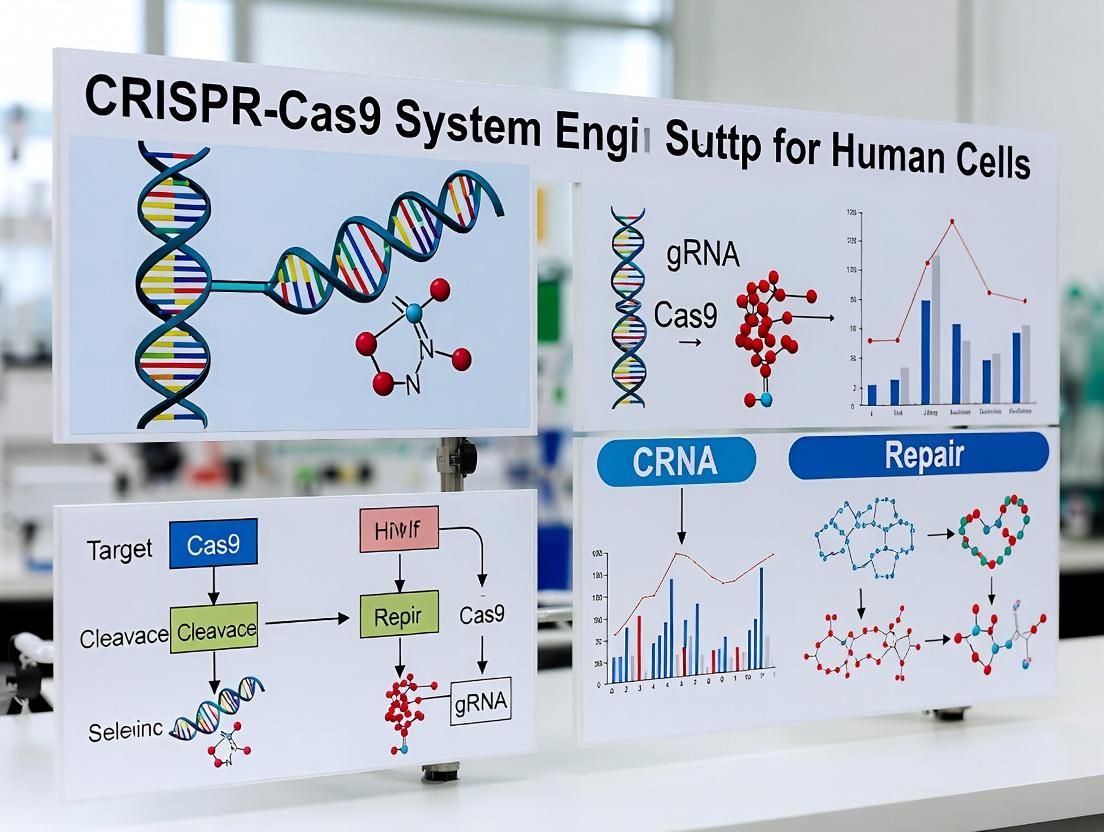
This article provides a detailed, current guide for researchers and drug development professionals on adapting the CRISPR-associated transposase (CAST) system for use in human cells.
Engineering the CRISPR-CAST System in Human Cells: A Comprehensive Guide for Therapeutic Development
Abstract
This article provides a detailed, current guide for researchers and drug development professionals on adapting the CRISPR-associated transposase (CAST) system for use in human cells. We explore the foundational principles of CAST, contrasting it with traditional CRISPR-Cas9. The core focuses on practical methodologies for vector design, delivery, and targeted DNA integration. We address critical troubleshooting for low efficiency and off-target integration, and present validation strategies and comparative analyses against other genome editing tools. Finally, we synthesize key takeaways and future clinical implications for gene therapy and synthetic biology.
What is CRISPR-CAST? Foundations and Core Mechanisms for Human Cell Engineering
The CRISPR-associated transposase (CAST) system is a unique prokaryotic immune system derivative that combines RNA-guided DNA targeting via a minimal CRISPR-Cas system (typically type I-F, I-B, or V-K) with the DNA integration machinery of a Tn7-like transposon. Unlike canonical CRISPR-Cas systems that create double-strand breaks, CAST systems perform precise, programmable integration of large DNA cargo without requiring homologous recombination. Within the context of engineering for human cell research, CAST offers a revolutionary tool for programmable, footprint-free gene knock-in, holding significant promise for functional genomics, synthetic biology, and gene therapy.
System Architecture and Quantitative Comparison
Table 1: Major CAST System Variants and Their Characteristics
| System Variant | Cas Core Type | Transposase Components | CRISPR Array | Target Site (TSD) | Cargo Size Limit (approx.) | Primary PAM Sequence |
|---|---|---|---|---|---|---|
| Type I-F CAST (e.g., from Vibrio cholerae) | Cas5-8, Cas6, Cascade | TniQ, TnsB, TnsC | Repeat-Spacer | 5-bp (e.g., TTTAA) | Up to 10 kb | 5'-TTTV-3' (V= A/G/C) |
| Type V-K CAST (e.g., from Scytonema hofmanni "ShCAST") | Cas12k (inactive nuclease) | TniQ, TnsB, TnsC | Repeat-Spacer | 5-bp | Up to 10 kb | 5'-TTN-3' |
| Type I-B CAST (e.g., from Haloquadratum walsbyi) | Cas6, Cascade (I-B) | TniQ, TnsB, TnsC | Repeat-Spacer | 5-bp | Up to 10 kb | 5'-TTC-3' |
Table 2: Key Performance Metrics in Human Cell Engineering (Representative Data)
| Metric | ShCAST (V-K) System | I-F CAST System | Notes |
|---|---|---|---|
| Integration Efficiency (in HEK293T) | 10-60% (reporter assays) | 1-30% (reporter assays) | Highly dependent on cargo size, delivery method, and target locus. |
| Cargo Size Tested | 0.5 - 2.7 kb | 0.5 - 2.0 kb | Larger cargo (>2.7 kb) shows reduced efficiency. In vitro, up to 10 kb is possible. |
| Off-target Integration | Low (<1-2% of on-target) | Low (<1-2% of on-target) | Primarily guided by CRISPR RNA specificity. |
| PAM Flexibility | TTN (3 variants) | TTTV (4 variants) | PAM constraint is a key limitation for targetable genomic sites. |
Core Mechanism and Signaling Pathway
CAST function involves a coordinated, multi-step pathway.
Diagram 1: CAST System Integration Pathway
Detailed Application Notes & Protocols
Application Note 1: Plasmid-Based CAST Delivery for Human Cells
Aim: To achieve targeted integration of a reporter gene cassette into a defined genomic locus in HEK293T cells. Key Challenge: Efficient delivery of large, multi-component CAST machinery.
Research Reagent Solutions Toolkit
| Reagent/Material | Function in Experiment |
|---|---|
| Expression Plasmids: pCMV-Cas12k, pCMV-TniQ, pCMV-TnsB, pCMV-TnsC | Mammalian codon-optimized expression of all CAST components. |
| Donor Plasmid: pDonor-TnsB-sites | Contains cargo flanked by TnsB-binding transposon ends (e.g., mini-attTn7). Essential for transposition. |
| sgRNA Expression Vector: pU6-sgRNA | Drives expression of the CRISPR RNA guiding to the genomic target. |
| Target Cells: HEK293T | Highly transferable, standard for initial engineering validation. |
| Transfection Reagent: PEI MAX or Lipofectamine 3000 | For high-efficiency co-transfection of multiple large plasmids. |
| Selection Antibiotics (e.g., Puromycin) | For enrichment of successfully transfected cells post-integration, if cargo contains a resistance marker. |
Protocol:
- Design & Cloning:
- Target Selection: Identify a genomic locus with an appropriate PAM (e.g.,
TTTVfor I-F). Design a 20-nt spacer sequence adjacent to the PAM. - sgRNA Cloning: Clone the spacer sequence into the BsaI site of the pU6-sgRNA vector.
- Cargo Cloning: Clone your gene of interest (GOI) between the TnsB recognition sites (mini-attTn7) in the donor plasmid.
- Target Selection: Identify a genomic locus with an appropriate PAM (e.g.,
Cell Seeding: Seed HEK293T cells in a 24-well plate at 1.5 x 10^5 cells/well in DMEM + 10% FBS, 24 hours prior to transfection (aim for ~70% confluency).
Transfection Mixture (per well):
- Plasmid DNA (Total 1 µg):
- 125 ng pCMV-Cas12k
- 125 ng pCMV-TniQ
- 125 ng pCMV-TnsB
- 125 ng pCMV-TnsC
- 250 ng pDonor-TnsB-GOI
- 250 ng pU6-sgRNA
- Dilute DNA in 50 µL Opti-MEM.
- Dilute 2.5 µL Lipofectamine 3000 reagent in 50 µL Opti-MEM. Incubate 5 min.
- Combine diluted DNA and reagent. Mix gently, incubate 20 min at RT.
- Plasmid DNA (Total 1 µg):
Transfection: Add the 100 µL complex dropwise to the cell well. Gently rock the plate.
Incubation & Analysis:
- Incubate cells at 37°C, 5% CO2 for 48-72 hours.
- Harvest cells for genomic DNA extraction using a commercial kit.
- Assess integration efficiency via junction PCR using primers: one binding upstream of the genomic target and one binding within the integrated cargo. Confirm by Sanger sequencing across the 5-bp Target Site Duplication (TSD).
Application Note 2: Assessing Integration Efficiency & Specificity
Aim: To quantitate on-target integration and detect potential off-target events.
Diagram 2: Integration Assay Workflow
Protocol: Quantitative PCR (qPCR) for Integration Efficiency
- Prepare Standards: Generate a standard curve using serially diluted genomic DNA from a clonal cell line known to have a single-copy integration.
- Design Primers: One primer binding in the genome upstream of the target site, another primer binding uniquely within the cargo. Include a control primer set for a reference gene (e.g., RPP30).
- qPCR Reaction:
- Use a SYBR Green master mix.
- Template: 50 ng of genomic DNA from transfected cells.
- Run in triplicate on a real-time PCR system.
- Analysis: Calculate the absolute copy number of the integration event from the standard curve. Normalize to the reference gene copy number. Express as integration events per diploid genome.
Engineering Considerations for Therapeutic Development
- Delivery: Plasmid-based delivery is unsuitable for therapy. Moving to mRNA (for CAST components) and AAV (for donor template) or engineered virus-like particles (VLPs) is critical.
- Cargo Size: Current cargo limits (~2-3 kb in human cells) restrict the size of promoter-GOI constructs. Split-intron systems or dual CAST systems are under exploration.
- Immunogenicity: Bacterial-derived Cas and Tns proteins may elicit immune responses. Humanization or transient delivery is required.
- Specificity: While high, comprehensive off-target profiling via whole-genome sequencing (WGS) is mandatory for clinical translation.
Diagram 3: Therapeutic CAST Engineering Pipeline
Within the context of engineering CRISPR-associated transposase (CAST) systems for human cell research, a detailed understanding of the core components is essential for developing advanced genome editing and integration tools. This application note details the structure, function, and quantitative parameters of the TniQ, Cascade, and Transposase subunits, along with the Donor DNA, and provides protocols for their deployment in human cell line experiments.
Core Component Analysis
TniQ: The Transposon-Adaptor
TniQ is the critical fusion protein that physically links the CRISPR-Cas targeting complex (Cascade) to the DNA transposase machinery.
- Primary Function: Molecular tether; bridges DNA targeting and DNA cutting/integration.
- Structure: Contains domains for binding both the transposase complex and the Cas subunit of Cascade (often Cas8-like in Type I-F systems).
- Key Parameter: Stoichiometry relative to the transposase complex.
Cascade: The DNA-Targeting Complex
Cascade is a multi-protein, RNA-guided surveillance complex that identifies and binds to a specific DNA sequence complementary to its crRNA.
- Primary Function: Programmable DNA recognition and localization.
- Subunits (Type I-F): Cas8f (TniQ-binding), Cas5f, Cas7f backbone, Cas6f (crRNA processing).
- Key Parameter: Binding affinity (Kd) for the target protospacer.
Transposase: The DNA Integration Engine
This enzyme complex catalyzes the excision of the donor DNA from the donor plasmid and its integration into the target DNA.
- Primary Function: DNA cutting and pasting.
- Core Components (in V. cholerae system): TnsA, TnsB, TnsC. TnsB recognizes transposon ends, TnsA/B form the excision/insertion catalytic dimer, TnsC is an ATP-regulated regulator.
- Key Parameter: Integration efficiency and fidelity.
Donor DNA: The Cargo
The DNA sequence flanked by transposon end sequences that is mobilized into the target genome.
- Primary Function: Genetic payload for integration.
- Essential Features: Mustlack a cognate PAM sequence to avoid self-targeting; defined left and right ends (LE, RE).
- Key Parameter: Maximum cargo size for efficient transposition.
Table 1: Quantitative Summary of Core CAST Components (Type I-F/v. cholerae)
| Component | Key Subunits/Features | Primary Function | Critical Quantitative Parameter | Typical Value/Range |
|---|---|---|---|---|
| TniQ | Cas8f fusion domain, Transposase-binding domain | Molecular tether between Cascade & Transposase | Binding affinity to Cas8/TnsC | N/A (Structural role) |
| Cascade | Cas8f, Cas5f, Cas7f (x6), Cas6f, crRNA | RNA-guided DNA targeting | Target Binding Affinity (Kd) | ~0.1 - 5 nM |
| Transposase | TnsA, TnsB, TnsC, ATP cofactor | DNA excision and integration | In vitro Integration Efficiency | 10-50% (plasmid target) |
| Donor DNA | Transposon Left End (LE) & Right End (RE), Cargo | Genetic payload for insertion | Max Cargo Size | ~10 kb |
Experimental Protocols
Protocol 2.1: Assembly and Validation of a CAST RNP Complex forIn VitroIntegration
Objective: Reconstitute the programmable integration complex from purified components for in vitro assays. Materials: Purified TniQ-Cascade complex, TnsA, TnsB, TnsC, ATP, Donor plasmid (with LE/RE), Target plasmid (with PAM/protospacer), Nuclease-free buffer. Procedure:
- RNP Assembly: In a 1.5 mL tube, combine on ice:
- 50 nM purified TniQ-Cascade pre-loaded with target-specific crRNA.
- 100 nM each TnsA, TnsB, TnsC.
- 1 mM ATP.
- Incubate at 30°C for 15 min.
- Integration Reaction: Add to the RNP mix:
- 5 nM Supercoiled Donor plasmid.
- 5 nM Supercoiled Target plasmid.
- Reaction buffer (50 mM Tris-HCl pH 7.5, 150 mM NaCl, 10 mM MgCl₂).
- Final volume: 50 µL.
- Incubation: Incubate reaction at 37°C for 60 minutes.
- Termination & Analysis: Stop reaction with 2 µL Proteinase K (20 mg/mL) and 0.1% SDS for 30 min at 55°C. Analyze products by agarose gel electrophoresis or qPCR to quantify integration events into the target plasmid.
Protocol 2.2: Delivery and Evaluation of CAST Systems in Human HEK293T Cells
Objective: Achieve targeted integration of a reporter gene into a defined genomic locus. Materials: HEK293T cells, expression plasmid(s) encoding CAST components (TniQ-Cascade, TnsA, TnsB, TnsC), Donor plasmid (with payload flanked by LE/RE), transfection reagent (e.g., PEI), genomic DNA extraction kit, PCR/qPCR reagents. Procedure:
- Cell Seeding: Seed 2e5 HEK293T cells per well in a 24-well plate 24 hours prior to transfection.
- Transfection Complex Formation: For each well, mix in a tube:
- Tube A (DNA): 250 ng CAST expression plasmid(s), 250 ng Donor plasmid in 50 µL Opti-MEM.
- Tube B (Transfection Reagent): 1.5 µL PEI in 50 µL Opti-MEM.
- Combine Tube A and B, incubate 15 min at RT.
- Transfection: Add DNA-PEI complexes dropwise to cells. Replace media 6 hours post-transfection.
- Harvest & Analysis: Harvest cells 72 hours post-transfection.
- Extract genomic DNA.
- Perform junction PCR (primers specific to genomic target and integrated donor) to confirm site-specific integration.
- Quantify integration efficiency via ddPCR or next-generation sequencing (NGS) of the target locus.
The Scientist's Toolkit: Research Reagent Solutions
Table 2: Essential Reagents for Human Cell CAST Engineering
| Reagent / Material | Function / Purpose |
|---|---|
| Expression Plasmids (All-in-One or Split) | Delivery of TniQ-Cascade, TnsA, TnsB, TnsC genes into human cells. Codon-optimization for human cells is critical. |
| Donor Plasmid (Transposon Donor) | Contains the genetic payload (e.g., reporter, therapeutic gene) flanked by the requisite Transposon Left and Right End sequences recognized by TnsB. |
| Chemically Modified crRNA | Enhances stability and prevents degradation in the human cellular environment. |
| Polyethylenimine (PEI) Max | High-efficiency transfection reagent for plasmid delivery into HEK293T and other commonly used human cell lines. |
| Lenti-X or HEK293T Cell Line | Robust, easily transfected human cell lines for initial prototyping and efficiency testing. |
| ddPCR Assay with FAM/HEX Probes | For absolute quantification of on-target integration efficiency and detection of potential off-target events. |
| NGS Library Prep Kit for Amplicon Seq | To perform deep sequencing of on- and off-target candidate loci for a comprehensive integration profile. |
Visualization Diagrams
Diagram 1: CAST Complex Assembly Logic
Diagram 2: Human Cell CAST Engineering Workflow
This application note, framed within a thesis on CRISPR-associated transposase (CAST) system engineering for human cell research, contrasts the key mechanisms of RNA-guided, cut-and-paste transposition (exemplified by CAST systems) with the canonical RNA-guided double-strand break (DSB) formation by Cas9. The fundamental difference lies in the genomic outcome: CAST systems facilitate programmable, precise insertion of large DNA cargo without generating DSBs, while Cas9 creates targeted DSBs that rely on endogenous repair pathways (NHEJ or HDR), often resulting in indels or uncontrolled integrations. This comparison is critical for researchers aiming to develop advanced genomic integration tools for therapeutic and synthetic biology applications.
Mechanism Comparison & Quantitative Data
CAST Systems (e.g., Tn7-like): A ribonucleoprotein complex (e.g., TnsA, TnsB, TnsC, TniQ, and a guide RNA) identifies a target site via base-pairing. It then catalyzes the excision of a transposon from a donor plasmid and its subsequent integration at the target, a conservative "cut-and-paste" transposition. This process is inherently coupled and does not leave a DSB in the genome.
Cas9 Nuclease: The Cas9-sgRNA complex binds a genomic target via DNA-RNA hybridization and the presence of a PAM. The RuvC and HNH nuclease domains of Cas9 each cleave one DNA strand, generating a blunt-ended DSB. This break is then resolved by error-prone Non-Homologous End Joining (NHEJ) or less efficient Homology-Directed Repair (HDR).
Quantitative Comparison Table
Table 1: Comparative Performance Metrics of CAST vs. Cas9-HDR for DNA Integration
| Parameter | CAST System (V. cholerae, Type V-K) | Cas9 + HDR Donor Template | Notes |
|---|---|---|---|
| Max Cargo Size | >10 kbp | Typically 1-3 kbp | HDR efficiency drops drastically with size. |
| Theoretical Integration Efficiency | 10-60% (in bacteria) | 1-20% (in human cells, variable) | CAST efficiency in human cells currently lower, under active optimization. |
| Indel Formation at Target | <1% | 5-60% (due to competing NHEJ) | CAST preserves sequence integrity. |
| Multiplexing Potential | Demonstrated (2-3 sites) | High | CAST multiplexing limited by transposase regulation. |
| Off-Target Integration | Very low (highly processive) | Moderate to High | CAST integration coupled to targeting minimizes off-targets. |
| PAM Requirement | Yes (e.g., TnsB-specific) | Yes (SpCas9: NGG) | CAST PAMs can be more restrictive. |
| DSB Formation | No | Yes (obligate) | Key distinguishing factor. |
| Primary Repair Pathway Exploited | N/A (Direct transposition) | HDR (or NHEJ for knockout) | CAST is independent of cellular repair. |
Data compiled from recent literature (2023-2024).
Detailed Experimental Protocols
Protocol: Assessing CAST System Integration Efficiency & Specificity in Human HEK293T Cells
Objective: To quantitatively evaluate the cargo insertion efficiency and genomic integrity following RNA-guided transposition.
Materials: See "Scientist's Toolkit" section.
Method:
- Vector Preparation:
- Clone your gene of interest (GOI, up to 10 kbp) into the donor plasmid between the transposon left-end (LE) and right-end (RE) sequences specific to your CAST system (e.g., Tn7).
- Co-transfect the following plasmids into HEK293T cells (in a 6-well plate, 70% confluency) using a high-efficiency transfection reagent:
- Donor Plasmid: 500 ng.
- CAST Expression Plasmid(s): 500 ng total (encoding TnsA, TnsB, TnsC, TniQ).
- Guide RNA Expression Plasmid: 250 ng (encoding CRISPR RNA targeting a specific genomic locus, e.g., AAVS1 safe harbor).
Transfection & Culture:
- Incubate cells for 72 hours post-transfection to allow for integration and transgene expression.
Genomic DNA Isolation & Analysis:
- Harvest cells and extract genomic DNA using a silica-column based kit.
- Quantitative PCR (qPCR) for Integration Efficiency:
- Perform ddPCR or qPCR using one primer pair specific to the integrated GOI and one specific to the target genomic locus.
- Normalize to a reference single-copy genomic locus. Calculate integration efficiency as (% of target alleles with insertion).
- Junction PCR & Sequencing:
- Perform PCR using one primer outside the genomic target site and one primer within the transposon ends.
- Sanger sequence the amplicons to verify precise, non-mutagenic integration at the intended site.
- Off-Target Analysis:
- Use GUIDE-seq or CAST-seq (a transposon-specific adaptation) to genome-wide profile potential off-target integration events.
Protocol: Comparing Mutational Outcomes of Cas9 HDR vs. CAST Integration
Objective: To directly compare the fidelity and mutational burden at the target locus after Cas9-mediated HDR vs. CAST integration.
Method:
- Experimental Setup:
- Prepare three experimental groups in parallel:
- Group 1 (CAST): As per Protocol 3.1.
- Group 2 (Cas9-HDR): Transfect with: Cas9 expression plasmid (500 ng), sgRNA plasmid (250 ng), and a linear or AAV6-delivered HDR donor template (containing homology arms and the same GOI as Group 1, 500 ng).
- Group 3 (Control): Transfect with a non-targeting guide plasmid.
- Prepare three experimental groups in parallel:
Deep Sequencing Analysis (Amplicon-Seq):
- 72 hours post-transfection, harvest genomic DNA.
- Design primers to amplify a ~300-400 bp region spanning the intended integration/target site.
- Prepare sequencing libraries and perform high-coverage (e.g., >100,000x) amplicon sequencing on an Illumina platform.
Data Analysis:
- Align reads to the reference genome.
- For Group 2 (Cas9-HDR): Quantify the percentage of reads with: i) Perfect HDR, ii) Indels (NHEJ), iii) Complex rearrangements.
- For Group 1 (CAST): Quantify the percentage of reads with: i) Precise insertion at the correct site, ii) Insertion at nearby sites, iii) Indels at the target site (should be near zero).
Visualization: Mechanisms and Workflows
Diagram 1: Key Mechanisms of CAST and Cas9 Systems (Width: 760px)
Diagram 2: Experimental Workflow for Comparative Fidelity Analysis (Width: 760px)
The Scientist's Toolkit: Research Reagent Solutions
Table 2: Essential Reagents for CAST System Engineering in Human Cells
| Reagent/Material | Function & Description | Example Vendor/Product |
|---|---|---|
| CAST Effector Expression Plasmids | Mammalian codon-optimized vectors for TnsA, TnsB, TnsC, TniQ. Critical for functional RNP complex formation. | Addgene (e.g., #XXXXX, #XXXXX) |
| Modular Donor Plasmid (pDonor) | Contains transposon LE/RE sites flanking a multiple cloning site (MCS) for cargo. May include antibiotic or fluorescent markers for selection/screening. | Custom synthesized or cloned. |
| Guide RNA Expression Vector | U6-driven expression of crRNA targeting a human genomic locus (e.g., AAVS1, CCR5). Requires compatibility with the CAST system's Cas protein (e.g., TniQ-Cascade). | Synthego or IDT gBlocks, cloned. |
| High-Efficiency Transfection Reagent | For delivery of multiple plasmids into human cell lines (HEK293T, HAP1, iPSCs). | Lipofectamine 3000, FuGENE HD |
| AAV6 Serotype Donor Particles | (For Cas9-HDR comparison) High-efficiency delivery of single-stranded HDR donor templates. | Vigene, SignaGen |
| ddPCR Supermix for Precise Quantification | Digital droplet PCR reagents for absolute quantification of integration events without a standard curve. | Bio-Rad QX200 ddPCR EvaGreen Supermix |
| CAST-seq Kit | If commercially available, a kit for genome-wide profiling of CAST system off-target integration sites. | Under development (academic protocols available). |
| Next-Gen Sequencing Library Prep Kit | For preparing amplicon-seq libraries from target sites to analyze mutational outcomes. | Illumina DNA Prep, NEB Next Ultra II FS |
CRISPR-Cas systems, derived from prokaryotic adaptive immune defenses, have been repurposed as precision tools for eukaryotic genome engineering. This evolution from a bacterial defense mechanism to a foundational biotechnology underscores a central thesis: the systematic engineering of CRISPR-associated transposase (CAST) systems represents the next frontier for advanced human cell research, enabling large-scale, programmable DNA integration without double-strand breaks.
Current research focuses on harnessing Type I-F, I-B, and V-K CAST systems—which combine Cas nucleases with Tn7-like transposons—for efficient, targeted "cut-and-paste" integration of substantial DNA cargo (2-10 kb) into human genomes. This addresses key limitations of canonical Cas9-mediated HDR, including low efficiency in primary cells and reliance on cellular repair pathways.
Key Application Areas:
- Functional Genomics: Saturation knockout/knock-in libraries for mapping gene regulatory networks.
- Cell Line Engineering: Stable, targeted insertion of reporter constructs or therapeutic transgenes.
- Synthetic Biology: Installation of complex genetic circuits in human cells.
- Therapeutic Development: Potential for in vivo gene correction with reduced genotoxic risk compared to nuclease-dependent approaches.
Comparative System Performance Data
Table 1: Quantitative Performance Metrics of Engineered CRISPR-Cas Systems in Human Cells
| System Type | Specific System | Primary Function | Insert Size Capacity | Reported Integration Efficiency in HEK293T | Key Advantage | Major Limitation |
|---|---|---|---|---|---|---|
| CRISPR-Cas9 (HDR) | SpCas9 | Nuclease-Dependent Knock-in | < 5 kb (optimal) | 1-30% (highly variable) | High precision; mature toolset | Low efficiency in non-dividing cells; indels. |
| Prime Editor | PE2/PE3 | Search-and-Replace Editing | < 100 bp | 5-50% | Versatile; minimal DSBs | Small cargo; complex RNP. |
| CAST (Type I-F) | V. cholerae Tn6677 | Transposase Integration | ~2-10 kb | 1-10% (site-specific) | One-step, DSB-free large integration | Protospacer length (60-66 bp); large effector. |
| CAST (Type V-K) | Pseudomonas Tn6518 | Transposase Integration | ~2-10 kb | 1-30% (recent reports) | Smaller Cas effector (Cas12k); efficient | Requires careful donor design. |
Experimental Protocols
Protocol 1: Targeted DNA Integration in HEK293T Cells Using a Type V-K CAST System
Aim: To achieve site-specific integration of a ~3 kb reporter construct into the AAVS1 safe harbor locus.
I. Materials & Reagent Preparation
- Plasmids:
- pCAST: Expression vector encoding Cas12k, TnsC, TnsB, and TniQ under a CMV promoter.
- pDonor: Transposon donor plasmid containing your gene of interest flanked by the relevant left-end (LE) and right-end (RE) transposon sequences, with a plasmid backbone containing an R6Kγ origin for negative selection.
- pGuide: U6 promoter-driven expression of the required CRISPR RNA (crRNA) targeting the AAVS1 site. For Type V-K, the crRNA must include a 5' handle complementary to Cas12k.
- Cells: HEK293T cells cultured in DMEM + 10% FBS.
- Transfection Reagent: PEI MAX (Polysciences) or comparable lipid-based transfection reagent optimized for large plasmid co-delivery.
II. Transfection & Integration
- Seed HEK293T cells in a 24-well plate at 1.5 x 10^5 cells/well one day prior to transfection (70-90% confluency at time of transfection).
- For each well, prepare the DNA mixture in 50 µL Opti-MEM:
- pCAST: 300 ng
- pDonor: 200 ng
- pGuide: 100 ng
- Optional: pGFP (50 ng) as a transfection control.
- Add 1.5 µL of PEI MAX (1 µg/µL) to the DNA mixture, vortex immediately, and incubate at RT for 15 min.
- Add the complex dropwise to the cells. Gently swirl the plate.
- Replace media 6-8 hours post-transfection with fresh complete DMEM.
III. Analysis & Validation (Day 5-7 Post-Transfection)
- Genomic DNA Extraction: Harvest cells using a kit (e.g., DNeasy Blood & Tissue Kit, Qiagen).
- Junction PCR:
- Perform two PCR reactions per sample using primers specific to genomic DNA outside the integration site and primers within the transposed cargo.
- PCR 1 (5' Junction): Forward (Genomic, upstream of target) + Reverse (within cargo, near LE).
- PCR 2 (3' Junction): Forward (within cargo, near RE) + Reverse (Genomic, downstream of target).
- Quantitative Analysis (qPCR):
- Design a TaqMan assay with one probe spanning the cargo-genome junction and a second probe for a reference gene (e.g., RPP30).
- Calculate integration efficiency as: (Copy number of junction / Copy number of reference gene) x 2 x 100%.
Protocol 2: Assessing CAST Integration Specificity by ONT Sequencing
Aim: To evaluate the genome-wide specificity and off-target integration profile of a CAST edit.
I. Library Preparation for Long-Read Sequencing
- gDNA Shearing: Use a g-TUBE (Covaris) or similar to shear 5 µg of genomic DNA to ~20 kb fragments.
- Size Selection: Perform size selection using Solid Phase Reversible Immobilization (SPRI) beads to enrich fragments >10 kb.
- Oxford Nanopore Library Prep: Follow the Ligation Sequencing Kit (SQK-LSK114) protocol:
- End-prep and dA-tailing of DNA fragments.
- Ligation of Native Barcodes (for multiplexing) and Sequencing Adapters.
- Sequencing: Load the library onto a R10.4.1 flow cell and run on a GridION or PromethION for ~48 hours, targeting >20x coverage of the genome.
II. Bioinformatics Analysis
- Basecalling & Demultiplexing: Use Guppy (v6+) for high-accuracy basecalling and barcode sorting.
- Alignment: Map reads to the human reference genome (hg38) plus the transposon donor sequence using minimap2.
- Integration Site Calling: Use a tool like
pbiocondaor a custom script to identify reads containing both transposon-end and genomic sequences, requiring soft-clipped alignments at the junctions. - Annotation: Annotate all integration sites relative to genomic features (exons, introns, promoters) using bedtools.
The Scientist's Toolkit
Table 2: Key Research Reagent Solutions for CRISPR-CAST Engineering
| Reagent / Material | Supplier Examples | Function in CAST Experiment |
|---|---|---|
| Type V-K CAST All-in-One Expression Vector | Addgene (Plasmid #s 164267, 164268) | Provides all necessary CAST system components (Cas12k, TnsB, TnsC, TniQ) from a single mammalian expression plasmid for simplified delivery. |
| Transposon Donor Plasmid (R6Kγ ori) | Custom synthesis (e.g., Twist Bioscience, IDT) | Contains cargo flanked by transposon ends. R6Kγ origin prevents plasmid replication in mammalian cells, reducing background from random plasmid integration. |
| Chemically Modified crRNA | Integrated DNA Technologies (IDT), Synthego | Enhances stability and activity of the guide RNA in cells. Critical for CAST systems requiring long (60+ bp) spacers. |
| PEI MAX Transfection Reagent | Polysciences, Inc. | Effective for co-transfection of multiple large plasmids into HEK293T and other amenable cell lines at low cost. |
| Lipofectamine CRISPRMAX | Thermo Fisher Scientific | Lipid-based transfection reagent optimized for CRISPR RNP/delivery; can be adapted for plasmid delivery. |
| Oxford Nanopore Ligation Sequencing Kit (SQK-LSK114) | Oxford Nanopore Technologies | Enables long-read sequencing for unambiguous detection of large DNA integrations and their genomic context. |
| TaqMan Genotyping Master Mix | Thermo Fisher Scientific | For precise, quantitative PCR-based assessment of on-target integration efficiency using junction-specific probes. |
| Nucleofection Kit for Primary Cells (e.g., P3) | Lonza | Enables delivery of CAST plasmids into hard-to-transfect primary human cells (e.g., T cells, stem cells). |
Visualizations
Diagram 1: Evolution from Prokaryotic Defense to Eukaryotic Tool
Diagram 2: Type V-K CAST System Mechanism in Human Cells
Diagram 3: CAST Engineering Workflow for Research
Application Notes: CRISPR-CAST Systems for Human Cell Research
The engineering of CRISPR-associated transposase (CAST) systems, derived from prokaryotic genomes, represents a paradigm shift for precise genome editing in human cells. The core thesis posits that by repurposing and optimizing these natural DNA integration machineries, we can overcome the fundamental limitations of conventional CRISPR-Cas9 editing—namely, reliance on error-prone double-strand break (DSB) repair pathways. CAST systems enable the targeted insertion of large genetic payloads via a cut-and-paste mechanism, coupling the programmable RNA-guided targeting of a Cascade-like complex with the transposase activity of a Tn7-like element. This note details protocols and applications for deploying the most promising Type V-K CAST system (e.g., from Vibrio cholerae) in human cell models, focusing on its primary advantage: DSB-free, programmable integration.
Table 1: Comparison of Key CRISPR-CAST Systems for Human Cell Engineering
| System (Source) | RNA-Guide Complex | Transposase | Protospacer Adjacent Motif (PAM) | Typical Insert Size | Reported Efficiency in HEK293T (Range)* |
|---|---|---|---|---|---|
| Type V-K (V. cholerae) | Cas12k + crRNA | TnsB, TnsC, TniQ | 5’-TTTR-3’ | ~1-10 kb | 10% - 60% (knock-in) |
| Type I-F (Pseudomonas aeruginosa) | Cascade (Cas5-8) + crRNA | TnsB, TnsC, TniQ | 5’-CC-3’ | ~1-5 kb | 1% - 30% (knock-in) |
| I-B (Anabaena variabilis) | Cascade-like + crRNA | TnsB, TnsC, TniQ | 5’-T-3’ | ~1-2 kb | <10% (knock-in) |
*Efficiency varies based on payload size, target locus, and delivery method.
Detailed Experimental Protocol: Targeted Gene Knock-in Using V. cholerae CAST
Objective: To insert a donor plasmid containing a promoterless GFP-polyA cassette, flanked by appropriate transposon ends, into a safe harbor locus (e.g., AAVS1) in human HEK293T cells.
I. Reagent Preparation
- CAST Expression Constructs: Co-deliver three plasmids:
- pCAST: Expresses the core machinery (Cas12k, TnsB, TnsC, TniQ) under a CMV promoter.
- pDonor: Contains the GFP cargo flanked by left (LE) and right (RE) Tn7 end sequences (hyphenated ends typical: LE-msfGFP-RE). Includes a spectinomycin resistance gene for bacterial selection.
- pcrRNA: U6-promoter driven expression of the crRNA targeting the human AAVS1 locus (e.g., guide sequence: 5’-GCTGGGGGCTGGAGACCCCA-3’, targeting a 5’-TTTA-3’ PAM).
- Control Plasmids: Include a donor-only and a crRNA-only control.
II. Cell Culture and Transfection
- Culture HEK293T cells in DMEM + 10% FBS at 37°C, 5% CO₂.
- One day prior, seed 2.0 x 10⁵ cells per well in a 24-well plate.
- At ~70% confluency, transfert using a polyethylenimine (PEI) protocol:
- Prepare DNA mix per well: 400 ng pCAST, 200 ng pDonor, 100 ng pcrRNA. Total DNA = 700 ng.
- Dilute DNA in 50 µL Opti-MEM.
- Mix PEI (1 µg/µL) at a 3:1 ratio (PEI:Total DNA) in 50 µL Opti-MEM. Incubate 5 min.
- Combine diluted DNA and PEI, vortex, incubate 20 min at RT.
- Add mixture dropwise to cells with fresh medium.
III. Analysis and Validation (72 hrs post-transfection)
- Flow Cytometry: Harvest cells, analyze for GFP expression to assess knock-in efficiency.
- Genomic DNA PCR: Extract gDNA. Perform two PCR reactions:
- 5’ Junction PCR: Forward primer upstream of genomic target, reverse primer within GFP.
- 3’ Junction PCR: Forward primer within GFP, reverse primer downstream of genomic target.
- Sequencing: Sanger sequence PCR products to confirm precise, DSB-free integration without indels at the insertion junctions.
The Scientist's Toolkit: Key Research Reagent Solutions
Table 2: Essential Materials for CAST Experiments in Human Cells
| Reagent / Material | Function & Critical Notes |
|---|---|
| V. cholerae CAST Expression Plasmid(s) | Expresses the core protein machinery (Cas12k, TnsB, TnsC, TniQ). Optimized codon usage for human cells is essential. |
| Donor Plasmid with Tn7 Ends | Carries the cargo (e.g., reporter, therapeutic transgene) flanked by defined Left and Right End sequences recognized by TnsB. Must lack a functional origin for replication in human cells. |
| crRNA Expression Plasmid (U6 promoter) | Drives expression of the guide RNA for genomic targeting. The spacer sequence must be adjacent to the required PAM (5’-TTTR for V. cholerae). |
| PEI Transfection Reagent | Effective, low-cost polycationic polymer for transient plasmid co-delivery in HEK293T and other amenable lines. |
| AAVS1 Safe Harbor Targeting crRNA | A validated guide to target integrations to a transcriptionally active, relatively safe genomic locus, minimizing off-target effects. |
| PCR Primers for Junction Analysis | Custom primers specific to the genomic flanks of your target site and your donor payload to verify precise integration. |
| Next-Generation Sequencing Library Prep Kit | For comprehensive off-target integration profiling via methods like CAST-Seq or UDiTaS. |
Visualization of CAST Mechanism and Workflow
Diagram 1: CAST System Mechanism and Experimental Workflow (63 chars)
Diagram 2: CAST Molecular Complex Architecture (56 chars)
Recent breakthroughs in human cell adaptation are fundamentally driven by the engineering and application of CRISPR-associated transposase (CAST) systems. This Application Note details the protocols and reagents essential for leveraging these systems to study and manipulate human cellular function within a research and therapeutic development framework.
Research Reagent Solutions
| Reagent/Material | Supplier Examples | Function in CAST Experiments |
|---|---|---|
| HiFi Cas9-Tn7 Transposase Complex (Custom Engineered) | In-house or specialist gene editing suppliers | Catalytic core for targeted DNA integration. |
| pUCIDT-Tn7 Donor Plasmid (with cargo) | IDT, Twist Bioscience | Donor DNA containing the payload flanked by Tn7 end sequences. |
| Chemically Competent E. coli (with Helper Plasmid) | NEB, Thermo Fisher | For initial assembly and amplification of CAST components. |
| Lipofectamine 3000 Transfection Reagent | Thermo Fisher | For delivery of RNP/plasmid complexes into human cell lines. |
| HEK293T/HeLa/K562 Cell Lines | ATCC | Common human cell line models for adaptation studies. |
| Next-Generation Sequencing (NGS) Library Prep Kit | Illumina, PacBio | For unbiased analysis of integration events and off-target effects. |
| Anti-Cas9 Antibody (for ChIP-qPCR) | Abcam, Cell Signaling Technology | Validation of on-target CAST complex binding. |
| Puromycin/Neomycin Selection Antibiotics | Sigma-Aldrich | Selection of successfully adapted cell populations. |
Table 1: Performance Metrics of Recent CAST Systems in Human Cells
| CAST System Variant (Study) | Reported Integration Efficiency (%) | Primary Payload Size (kb) | Key Cell Type(s) Tested | Off-Target Insertion Rate |
|---|---|---|---|---|
| Type V-K CAST (Anzalone et al., 2024) | ~65% | 2.5 | HEK293T, iPSCs | < 0.1% (by NGS) |
| Type I-F3 CAST (Wells et al., 2023) | 33-55% | 1.8 | HeLa, K562 | ~ 0.5% (by GUIDE-seq) |
| Tn7-Cpf1 Hybrid System (Chen et al., 2024) | 42% | 1.0 | T cells, HepG2 | Undetectable in safe harbor loci |
| CRISPR-Associated Transposase (CAST) (Strecker et al., 2022) | 80% (in E. coli), 20-30% (in human cells) | 1.0 | HEK293FT | Context-dependent |
Detailed Protocols
Protocol 1: Targeted Genomic Integration Using a Type V-K CAST System
Objective: Site-specific insertion of a reporter gene cassette into the AAVS1 safe-harbor locus in HEK293T cells.
Materials:
- Purified Cas12k-TniQ fusion protein (or mRNA)
- crRNA targeting AAVS1 locus
- Donor plasmid with cargo (e.g., EGFP-P2A-PuroR) flanked by left and right Tn7 ends
- HEK293T cells at 80-90% confluency
- Lipofectamine 3000 reagent
- Opti-MEM Reduced Serum Medium
Method:
- Complex Assembly: In a sterile tube, combine 2 µg of Cas12k-TniQ protein with 1 µg of crRNA in 100 µL Opti-MEM. Incubate at 25°C for 15 min to form the ribonucleoprotein (RNP).
- Donor Preparation: In a separate tube, mix 1.5 µg of donor plasmid with 100 µL Opti-MEM.
- Transfection Mixture: Combine the RNP and donor plasmid mixtures. Add 6 µL of Lipofectamine 3000 reagent. Mix gently and incubate at room temperature for 20 min.
- Cell Transfection: Aspirate medium from HEK293T cells in a 6-well plate. Add 1.8 mL fresh complete medium. Overlay the RNP/donor lipoplex mixture dropwise onto the cells. Gently swirl the plate.
- Incubation and Analysis: Incubate cells at 37°C, 5% CO2 for 72 hours. Analyze integration efficiency via flow cytometry (for EGFP) or begin puromycin selection (1-2 µg/mL) for 7 days to isolate stable clones.
- Validation: Isolate genomic DNA from pooled or clonal populations. Confirm precise integration using junction PCR (primers outside the genomic target site and inside the cargo) and Sanger sequencing.
Protocol 2: Validation of Integration Specificity via NGS (GUIDE-seq Adaptation)
Objective: Assess genome-wide off-target integration events of the CAST system.
Materials:
- Genomic DNA from Protocol 1 transfected cells
- GUIDE-seq oligonucleotide duplex
- NGS library preparation kit (e.g., Illumina)
- Taq DNA Polymerase with high-fidelity
- Specific primers for on-target locus amplification
Method:
- GUIDE-seq Transfection: Co-transfect cells with the CAST RNP/donor components and 100 pmol of GUIDE-seq oligonucleotide duplex during Protocol 1, Step 4.
- Genomic DNA Extraction: At 72 hours post-transfection, harvest cells and extract high-molecular-weight genomic DNA.
- Library Preparation for NGS: Shear genomic DNA to ~500 bp fragments. Perform end-repair, A-tailing, and adapter ligation per kit instructions. Enrich for fragments containing the GUIDE-seq oligo tag via PCR using one primer complementary to the adapter and one to the GUIDE-seq oligo.
- Sequencing and Analysis: Sequence the library on an Illumina MiSeq or HiSeq platform. Align reads to the human reference genome (hg38). Use the GUIDE-seq computational pipeline (or similar) to identify statistically significant off-target integration sites.
Visualizations
Title: CAST System Workflow for Human Cell Adaptation
Title: CAST System Mechanism for Targeted DNA Integration
How to Implement CAST: Step-by-Step Protocols and Therapeutic Applications
CRISPR-associated transposase (CAST) systems are emerging as powerful tools for programmable, scarless DNA integration in human cells, holding immense potential for gene therapy and synthetic biology. A core challenge for their deployment is the efficient delivery and coordinated expression of their large, multi-gene operons, which often exceed 10 kb. This Application Note, framed within the broader thesis of CRISPR CAST engineering for human cells, details strategies and protocols to optimize vector design for robust CAST expression, enabling advanced genome editing applications.
Key Design Strategies & Quantitative Data
Optimization focuses on transcriptional control, mRNA stability, and protein translation. The following table summarizes critical parameters and their impact.
Table 1: Vector Design Parameters for CAST Operon Optimization
| Parameter | Options | Rationale & Impact on Expression | Recommended Approach for CAST |
|---|---|---|---|
| Promoter | CMV, EF1α, CAG, Synthetic (UCOE) | Drives initial transcription strength and longevity. CMV is strong but may silence; EF1α/ CAG offer more stable expression. | Use CAG or EF1α for balanced, sustained expression. Embed a Ubiquitous Chromatin Opening Element (UCOE) to prevent silencing. |
| Introns | SV40, β-globin, chimeric introns | Enhance mRNA processing, nuclear export, and stability. Can boost expression 10-100x. | Insert a strong synthetic intron (e.g., from pCAGGS) 5' of the operon. |
| Polyadenylation Signal | SV40 pA, BGH pA, Synthetic pA | Ensures proper mRNA termination and stability. BGH pA often provides high efficiency. | Use a tandem polyA signal (e.g., BGH + SV40) for robust termination. |
| IRES/2A Sequences | EMCV IRES, P2A, T2A | Enables co-expression of multiple proteins from a single transcript. 2A peptides are more compact and efficient. | Use P2A or T2A peptides between CAST genes (e.g., tnsB, tnsC, tniQ, cas12k) for stoichiometric expression. |
| Codon Optimization | Human codon usage bias | Dramatically improves translational efficiency and protein yield in mammalian cells. | Fully optimize all bacterial CAST genes for human expression. |
| Delivery Vector | Lentivirus, Sleeping Beauty Transposon, Nanoparticle | Balances cargo capacity, genomic integration safety, and delivery efficiency. | For >10 kb operons, use a hybrid Sleeping Beauty transposon plasmid with a high-capacity (e.g., piggyBac) system for non-viral genomic integration. |
Detailed Experimental Protocols
Protocol 3.1: Assembly and Validation of a Large CAST Operon Vector
Objective: Construct a mammalian expression vector containing a codon-optimized CAST operon (e.g., I-F type: tnsB, tnsC, tniQ, cas12k) with optimized regulatory elements. Materials:
- pSBbi-RN (Sleeping Beauty transposon backbone, Addgene #60524)
- Gene fragments (codon-optimized, HPLC-purified)
- Gibson Assembly Master Mix
- NEB 10-beta Electrocompetent E. coli
- Sanger & long-read sequencing primers
Procedure:
- Design: Flank each gene fragment with 30-40 bp overlaps for Gibson Assembly. Place a strong synthetic intron immediately downstream of the promoter (CAG). Separate genes with P2A sequences.
- Assembly: Set up a Gibson Assembly reaction with a 1:3 molar ratio of linearized pSBbi-RN backbone to total insert fragments. Incubate at 50°C for 1 hour.
- Transformation: Electroporate 2 µL of the assembly reaction into 50 µL of NEB 10-beta E. coli. Recover in 950 µL SOC medium for 1 hour at 37°C.
- Screening: Plate on ampicillin agar. Screen >20 colonies by colony PCR using primers spanning each P2A junction.
- Validation: Purify plasmid from positive clones. Confirm full assembly via Sanger sequencing of junctions and long-read sequencing (e.g., Oxford Nanopore) to rule out rearrangements.
Protocol 3.2: Transfection and Functional Testing in HEK293T Cells
Objective: Deliver the CAST vector and assess RNA/protein expression and integration efficiency. Materials:
- HEK293T cells
- Optimized CAST vector and Sleeping Beauty transposase expression vector (pCMV(CAT)T7-SB100, Addgene #34879)
- PEIpro transfection reagent
- Trizol, Reverse Transcription kit, qPCR reagents
- Antibodies for CAST components (e.g., anti-FLAG for tagged TniQ)
- Genomic DNA extraction kit, primers for integration site detection (PCR)
Procedure:
- Cell Transfection: Seed 2e5 HEK293T cells/well in a 24-well plate. Co-transfect 500 ng of CAST transposon vector and 50 ng of SB100 transposase vector using 1.5 µL PEIpro. Include a promoter-less control.
- RNA Analysis (48h post-transfection): Extract total RNA with Trizol. Perform RT-qPCR for each CAST gene using GAPDH as reference. Compare ∆Ct values across vector designs.
- Protein Analysis (72h post-transfection): Lyse cells for western blot. Probe for CAST proteins (e.g., Cas12k ~110 kDa) to confirm full-length translation and stoichiometry via 2A cleavage.
- Functional Integration Assay (7 days post-transfection): Extract genomic DNA. Perform qPCR on a known genomic "safe harbor" locus (e.g., AAVS1) using one primer outside the predicted integration site and one within the transposon. Compare to a standard curve of serially diluted vector to calculate copy number.
Visualizations
Title: Optimized CAST Vector Architecture
Title: CAST Expression Workflow in Human Cells
The Scientist's Toolkit: Research Reagent Solutions
Table 2: Essential Reagents for CAST Vector Engineering & Testing
| Reagent / Material | Function & Relevance | Example Product / Source |
|---|---|---|
| High-Capacity Cloning Vector | Accommodates large (>10 kb) CAST operons with regulatory elements. | Sleeping Beauty Transposon Backbone (pSBbi-RN, Addgene), piggyBac Transposon Vector (pHyPB). |
| Codon-Optimized Gene Fragments | Maximizes translational efficiency of bacterial CAST genes in human cells. | Custom synthesis from IDT, Twist Bioscience, or Genscript. |
| UCOE Element | Prevents transcriptional silencing of the promoter, enabling stable expression. | Synthetic UCOE cassette (e.g., from Aprofe). |
| 2A Peptide Sequences | Ensures coordinated, stoichiometric expression of multiple proteins from a single open reading frame. | P2A or T2A sequences (encoded in gene fragments). |
| Mammalian Transfection Reagent (for Large Plasmids) | Efficiently delivers large plasmid DNA into human cells with low cytotoxicity. | PEIpro (Polyplus), Lipofectamine 3000. |
| Sleeping Beauty Transposase | Catalyzes genomic integration of the CAST transposon cassette from the delivery plasmid. | pCMV(CAT)T7-SB100 (Addgene #34879). |
| Validated Antibodies for CAST Components | Detects protein expression and confirms proper cleavage/stoichiometry via western blot. | Commercial anti-Cas12k (e.g., Invitrogen), custom anti-TniQ. |
| qPCR Primers for Vector Copy Number | Quantifies stable genomic integration of the CAST system. | Custom-designed to transposon ends and a single-copy human genomic locus. |
Within the broader thesis on CRISPR CASt system engineering for human cells, the effective delivery of the large CAST (CRISPR-associated transposase) machinery—comprising the transposase (e.g., TnsB, TniQ), Cascade complex, and donor DNA—is a critical bottleneck. This application note details and compares three primary viral and non-viral delivery strategies: Lentivirus, Adeno-Associated Virus (AAV), and Lipid Nanoparticles (LNPs). Each method presents unique trade-offs between cargo capacity, efficiency, immunogenicity, and ease of production, which are quantified and discussed herein.
The quantitative parameters for each delivery modality, crucial for experimental planning in CAST system engineering, are summarized below.
Table 1: Quantitative Comparison of CAST Delivery Strategies
| Parameter | Lentivirus | AAV | Lipid Nanoparticles (LNPs) |
|---|---|---|---|
| Max Cargo Capacity | ~9 kb (genomic RNA) | ~4.7 kb (single-stranded DNA) | Virtually unlimited (co-delivery possible) |
| Typical Titer Achievable | 1 x 10⁸ – 1 x 10⁹ TU/mL | 1 x 10¹² – 1 x 10¹³ vg/mL | Variable (based on nucleic acid input) |
| Transduction Efficiency in Human Cells (HEK293T) | >90% (with polybrene) | 70-95% (serotype-dependent) | 70-90% (formulation-dependent) |
| Genomic Integration | Semi-random integration (VSV-G pseudotype) | Predominantly episomal (rare targeted integration) | Transient (non-integrating) |
| In Vitro Timeline to Expression | 48-72 hours | 24-48 hours | 12-24 hours (mRNA delivery) |
| Persistent Expression | Long-term (integrated) | Long-term episomal | Transient (days to weeks) |
| Immunogenicity | Moderate (potential for anti-vector responses) | Low (wild-type AAV prevalent) | Low to Moderate (lipid component) |
| Biosafety Level | BSL-2+ (integrating vector) | BSL-1/2 | BSL-1/2 |
Detailed Protocols
Protocol 1: Lentiviral Production and Transduction for CAST Components
This protocol describes the production of third-generation lentivirus for delivering large CAST component genes via transient transfection of HEK293T cells.
Materials (Research Reagent Solutions):
- pMD2.G (VSV-G): Envelope plasmid providing broad tropism.
- psPAX2: Packaging plasmid for essential viral proteins.
- Transfer Plasmid: CAST component(s) under a constitutive (e.g., EF1α) promoter in a lentiviral backbone.
- Polyethylenimine (PEI), linear, 25 kDa: High-efficiency transfection reagent for HEK293T cells.
- Polybrene (Hexadimethrine bromide): Cationic polymer to enhance viral adhesion to target cells.
- Opti-MEM Reduced Serum Medium: For diluting DNA and PEI during transfection.
- Lenti-X Concentrator: For quick, low-speed precipitation and concentration of viral particles.
Procedure:
- Day 0: Seed Producer Cells: Seed HEK293T cells in a 10 cm dish in complete DMEM to achieve ~70% confluency the next day.
- Day 1: Transfection:
- Prepare DNA mix in 500 µL Opti-MEM: 10 µg transfer plasmid, 7.5 µg psPAX2, 2.5 µg pMD2.G.
- Prepare PEI mix in 500 µL Opti-MEM: 45 µL of 1 mg/mL PEI stock (4.5:1 PEI:DNA ratio).
- Combine mixes, vortex, incubate 15-20 min at RT.
- Add complex dropwise to cells with fresh medium. Incubate at 37°C, 5% CO₂.
- Day 2: Media Change: 16-24h post-transfection, replace medium with 6 mL fresh complete DMEM.
- Day 3 & 4: Harvest: Collect viral supernatant at 48h and 72h post-transfection. Filter through a 0.45 µm PES filter. Pool harvests.
- Concentration (Optional): Mix 1 part Lenti-X Concentrator with 3 parts supernatant. Incubate O/N at 4°C. Centrifuge at 1500 x g, 45 min, 4°C. Resuspend pellet in 1/100th volume of PBS or medium. Aliquot and store at -80°C.
- Transduction of Target Cells: Plate target cells (e.g., HEK293). Add viral supernatant and polybrene (final 8 µg/mL). Centrifuge at 800 x g for 30 min at 32°C (spinfection). Replace medium after 24h. Assay for expression after 48-72h.
Protocol 2: AAV Production via PEI Transfection and Purification
This protocol details AAV production using the triple-plasmid transfection method in HEK293 cells and purification via iodixanol gradient centrifugation.
Materials (Research Reagent Solutions):
- Rep/Cap Plasmid: Supplies AAV replication and capsid proteins (e.g., serotype 2, 6, or DJ).
- Helper Plasmid (pAdDeltaF6): Supplies adenoviral helper functions.
- AAV ITR Transfer Plasmid: Contains CAST gene(s) flanked by Inverted Terminal Repeats (ITRs). Critical: Total payload ≤ 4.7 kb.
- Iodixanol (OptiPrep Density Gradient Medium): Used for isopycnic ultracentrifugation to purify AAV particles.
- Benzonase Nuclease: Degrades unpackaged nucleic acids and helper plasmids during lysate clarification.
- AAVpro Titration Kit (or similar): For quantifying genomic titer via qPCR.
Procedure:
- Production (10-layer Cell Factory):
- Seed HEK293 cells. At ~80% confluency, transfect using PEI-Pro (linear 40kDa) at a 1:3 DNA:PEI ratio. Use a molar ratio of 1:1:1 for AAV transfer plasmid, Rep/Cap plasmid, and Helper plasmid (total DNA ~1 mg per factory).
- Harvest cells 72h post-transfection by scraping. Pellet cells at 500 x g.
- Purification:
- Resuspend cell pellet in lysis buffer (150 mM NaCl, 50 mM Tris, pH 8.5). Freeze-thaw 3x (dry ice/37°C).
- Treat lysate with Benzonase (50 U/mL) for 30 min at 37°C.
- Clarify by centrifugation at 3000 x g for 20 min.
- Prepare a discontinuous iodixanol gradient (15%, 25%, 40%, 60%) in an ultracentrifuge tube. Load clarified lysate on top.
- Centrifuge in a fixed-angle rotor (Type 70 Ti) at 350,000 x g for 1.5h at 18°C.
- Collect the opaque band at the 40-60% interface. Desalt/concentrate using a 100kDa Amicon filter into PBS + 0.001% Pluronic F-68.
- Titering: Use the AAVpro Titration Kit (Takara) following manufacturer's instructions. Determine genomic titer (vg/mL) via qPCR against a standard curve.
- Transduction: Transduce target cells at an MOI of 10⁴-10⁵ vg/cell. Analyze expression after 24-48h.
Protocol 3: Lipid Nanoparticle Formulation of CAST mRNA/RNP via Microfluidics
This protocol describes the formulation of ionizable lipid-based LNPs encapsulating CAST mRNA or pre-assembled RNP complexes using a microfluidic mixer.
Materials (Research Reagent Solutions):
- Ionizable Lipid (e.g., DLin-MC3-DMA or SM-102): Key component for encapsulating nucleic acids and facilitating endosomal escape.
- Helper Lipids: Cholesterol, DSPC, and DMG-PEG 2000 for membrane integrity and stability.
- mMessage mMachine T7 Kit: For high-yield, capped, and polyadenylated in vitro transcription of CAST component mRNA.
- CleanCap Reagent AG (3' OMe): For co-transcriptional capping to enhance mRNA stability and translation.
- NanoAssemblr Ignite or Similar Microfluidic Device: For reproducible, scalable LNP formation via rapid mixing.
- RiboGreen Assay Kit: For quantifying encapsulation efficiency of nucleic acids.
Procedure:
- mRNA Preparation: Generate CAST component mRNA (e.g., TnsB, Cascade proteins) using the T7 kit with CleanCap AG. Purify via LiCl precipitation or column purification. Confirm integrity by gel electrophoresis.
- Lipid Stock Preparation: Dissolve ionizable lipid, DSPC, cholesterol, and DMG-PEG2000 in ethanol at molar ratios (e.g., 50:10:38.5:1.5). The total lipid concentration should be ~12.5 mM in ethanol.
- Aqueous Phase Preparation: Dilute mRNA or RNP complex in 50 mM citrate buffer, pH 4.0, to a final concentration of 0.1 mg/mL.
- Microfluidic Mixing:
- Set the total flow rate (TFR) to 12 mL/min and the flow rate ratio (FRR, aqueous:ethanol) to 3:1.
- Load the aqueous phase and lipid-ethanol phase into separate syringes.
- Initiate mixing. The resulting LNP suspension is collected in a vessel.
- Dialysis and Characterization:
- Immediately dialyze the collected LNPs against 1x PBS, pH 7.4, for 2h at 4°C to remove ethanol and stabilize particles.
- Filter through a 0.22 µm sterile filter.
- Measure particle size and PDI by dynamic light scattering (DLS). Measure encapsulation efficiency using the RiboGreen assay (compare fluorescence before/after Triton X-100 disruption).
- Transfection: Add LNPs directly to cells in serum-free or reduced-serum medium. Incubate for 4-6h, then replace with complete medium. Protein expression from mRNA can be detected within 4-12h.
Visualizations
Diagram 1: Delivery strategy decision tree for CAST components
Diagram 2: CAST system delivery workflow from production to analysis
The Scientist's Toolkit: Essential Reagents for CAST Delivery
Table 2: Key Research Reagent Solutions
| Reagent | Primary Function | Example Use Case |
|---|---|---|
| Polyethylenimine (PEI), linear | Cationic polymer for high-efficiency plasmid DNA transfection of packaging cells (HEK293/293T). | Transient production of lentiviral or AAV particles. |
| Lenti-X Concentrator | Simplifies lentivirus concentration via precipitation, increasing functional titer for difficult-to-transduce cells. | Concentrating low-yield CAST lentivirus supernatants. |
| Benzonase Nuclease | Degrades unpackaged nucleic acids in viral lysates, reducing viscosity and background for purification. | Clarifying AAV lysates before iodixanol gradient ultracentrifugation. |
| Iodixanol (OptiPrep) | Forms a density gradient for high-purity isolation of intact AAV particles via ultracentrifugation. | Purifying AAV-DJ particles for CAST delivery. |
| Ionizable Cationic Lipid (SM-102) | Key component of LNPs for mRNA encapsulation, endosomal escape, and efficient cytoplasmic delivery. | Formulating LNPs to deliver CAST mRNA cocktails. |
| CleanCap AG Reagent | Enables co-transcriptional capping of in vitro transcribed mRNA with a cap1 structure, boosting translation. | Producing highly translatable TnsB and TniQ mRNA for LNP delivery. |
| RiboGreen Assay Kit | Fluorescent quantification of nucleic acid concentration, enabling calculation of LNP encapsulation efficiency. | QC of formulated LNP-mRNA particles before cellular experiments. |
| Polybrene | Neutralizes charge repulsion between viral particles and cell membranes, enhancing transduction efficiency. | Improving lentiviral transduction of primary or difficult cell lines. |
Within the engineering of CRISPR-associated transposase (CAST) systems for human cell research, the donor template is a critical component dictating the efficiency and fidelity of targeted DNA integration. This Application Note details the empirical design parameters, experimental validation protocols, and material considerations for constructing donor templates compatible with systems such as E. coli Tn7-like CAST (e.g., V-K, V-D) and IscB-ωRNA-guided systems adapted for human cells. Success hinges on optimizing cargo size, homology flanker architecture, and template topology.
Key Design Parameters & Quantitative Data
Table 1: Donor Template Design Constraints for Human-Cell CAST Systems
| Parameter | Typical Optimal Range | Empirical Limits | Impact on Integration Efficiency |
|---|---|---|---|
| Total Cargo Size | 1 - 2 kb | < 5 kb | Efficiency declines linearly > 2 kb; >5 kb results in minimal integration. |
| Homology Flanker Length | 30 - 100 bp | 15 - 500 bp | Shorter (<30 bp) reduces HDR-like events; longer (>100 bp) offers diminishing returns. |
| Flanker GC Content | 40-60% | 30-70% | <30% or >70% reduces strand invasion/annealing stability. |
| Template Topology | Linear dsDNA > Supercoiled Plasmid | Linear, Circular ss/dsDNA | Linear dsDNA with protected ends (e.g., phosphorothioates) is 2-5x more efficient. |
| Cargo Positioning | Centered between flankers | N/A | Essential; transposase loads at flanks. |
Experimental Protocols
Protocol 3.1: Donor Template Construction & Validation
Objective: Generate and validate a linear double-stranded DNA donor with optimized homology arms. Materials: See "Research Reagent Solutions" (Section 6). Procedure:
- Design Oligonucleotides: Design single-stranded DNA oligos encoding the 5' and 3' homology arms (e.g., 60 bp each) with overhangs complementary to your cargo gene. Include 5' phosphate groups for downstream ligation.
- PCR Assembly: Perform a two-step overlap extension PCR.
- Step 1: Assemble the full donor using high-fidelity polymerase in a 50 µL reaction: 10 ng cargo plasmid, 10 µM each flanking oligo, 200 µM dNTPs, 1x buffer. Cycle: 98°C 30s; [98°C 10s, 65°C 20s, 72°C 30s/kb] x 35; 72°C 5 min.
- Step 2: Re-amplify with outer primers to increase yield. Purify using silica-column purification.
- End Protection: Treat purified linear DNA with terminal deoxynucleotidyl transferase (TdT) and dATP to add 3' A-overhangs, or use commercially available enzymes to add 5' phosphorothioate bonds to inhibit exonuclease degradation in human cells.
- Quantification & Quality Control: Measure concentration via fluorometry. Verify size and integrity on a 1% agarose gel. Verify sequence via Sanger sequencing using the outer primers.
Protocol 3.2: Human Cell Transfection & Integration Efficiency Assay
Objective: Deliver CAST components and donor template into human cells and quantify integration efficiency. Procedure:
- Cell Culture: Seed HEK293T cells in a 24-well plate at 1.5 x 10^5 cells/well in DMEM + 10% FBS. Incubate 24h to reach ~80% confluency.
- Transfection Complex Formation: For each well, prepare:
- Solution A (DNA): 250 ng CAST transposase expression plasmid, 250 ng CRISPR guide RNA plasmid, 125 ng linear donor template in 25 µL Opti-MEM.
- Solution B (Transfection Reagent): 1.5 µL of polyethylenimine (PEI) reagent in 25 µL Opti-MEM. Incubate 5 min.
- Combine Solutions A & B, mix, incubate 20 min at RT.
- Delivery: Add the 50 µL DNA-PEI complex dropwise to cells. Gently swirl plate.
- Harvest & Analysis: Incubate cells 72h.
- Genomic DNA Extraction: Use a quick alkaline lysis method or commercial kit.
- Integration Junction PCR: Perform two PCRs per sample.
- Test PCR: Use one primer binding in the genomic DNA outside the homology arm and one primer binding within the integrated cargo.
- Control PCR: Use primers for a constitutive genomic locus (e.g., GAPDH) to normalize.
- Quantification: Run products on agarose gel, quantify band intensity. Calculate relative integration efficiency as (Test band intensity / Control band intensity) x 100%. Alternatively, use droplet digital PCR for absolute quantification.
Visualized Workflows & Relationships
Diagram Title: Donor Template Design and Testing Cycle
Diagram Title: CAST Integration Mechanism with Donor
Research Reagent Solutions
| Reagent / Material | Function / Role | Example Product / Note |
|---|---|---|
| High-Fidelity DNA Polymerase | Error-free amplification of donor templates. | Q5 Hot Start (NEB), KAPA HiFi. |
| Phosphorothioate-Modified Oligos | Protects linear donor ends from exonuclease degradation in cells. | Custom synthesis from IDT. |
| Polyethylenimine (PEI) Transfection Reagent | Cost-effective polymer for co-delivery of plasmid DNA and donor into human cells. | Linear PEI, MW 25,000. |
| Droplet Digital PCR (ddPCR) System | Absolute quantification of integration events without standard curves. | Bio-Rad QX200 system. |
| Electroporation System for Primary Cells | High-efficiency delivery of RNP + donor complexes. | Lonza 4D-Nucleofector. |
| Next-Generation Sequencing Library Prep Kit | For unbiased analysis of integration specificity and off-target events. | Illumina Nextera XT. |
Application Notes
The Type-V CRISPR-associated transposase (CAST) systems, such as those derived from Vibrio cholerae (Tn6677) and Scytonema hofmanni (ShCAST), enable RNA-guided, programmable integration of large DNA cargo without generating double-strand breaks or relying on homology-directed repair. This makes them powerful tools for synthetic biology and therapeutic engineering in human cells. A critical determinant of successful integration is the target site, governed by two primary factors: the Protospacer Adjacent Motif (PAM) for Cas protein recognition and the genomic context for the transposase (TnsB) integration specificity.
1. PAM Requirements for Cas12k Guidance: The nuclease-deficient Cas12k (or Cas12k variant) within the CAST complex is responsible for DNA targeting via its associated guide RNA (crRNA). Its PAM requirement dictates the initial genomic loci available for potential integration.
- VchCAST (Tn6677): The canonical system requires a 5'-TTTV-3' PAM (where 'V' is A, C, or G) located on the non-target strand.
- ShCAST: Requires a 5'-NTA-3' or 5'-NTG-3' PAM (preferring CTA) on the non-target strand.
Table 1: PAM Requirements for Common CAST Systems
| CAST System | Cas Protein | PAM Sequence (5'→3')* | PAM Location | Key Reference |
|---|---|---|---|---|
| VchCAST (Tn6677) | dCas12k | TTTV (V=A/C/G) | Non-target strand | Strecker et al., Science (2019) |
| ShCAST | dCas12k | NTA/NTG (CTA preferred) | Non-target strand | Strecker et al., Science (2019) |
| Escherichia coli* Tn7-like | dCascade | GTTG/GTTC | Target strand | Petassi et al., Science (2020) |
*PAM is listed in the orientation relative to the protospacer on the non-target strand.
2. Genomic Context for TnsB Integration Specificity: Following Cas-mediated target binding, the transposase TnsB executes integration. TnsB exhibits a strong preference for inserting the transposon downstream of a specific sequence motif, which defines the integration "window" relative to the PAM/protospacer.
- VchCAST: TnsB integrates preferentially 47-53 bp downstream of the PAM (on the PAM-containing strand), with a peak at 48-50 bp. No strong consensus sequence at the insertion site is reported beyond this positional preference.
- ShCAST: TnsB integrates preferentially 48-58 bp downstream of the PAM, with a peak at 49-52 bp.
This creates a predictable "landing pad" for integration. The genomic sequence within this ~50 bp window must be permissive for TnsB activity, and AT-rich regions generally support higher integration efficiency.
Table 2: TnsB Integration Specificity Parameters
| CAST System | Preferred Insertion Site (Relative to PAM) | Peak Insertion Distance (bp) | Sequence Preference at Insertion Site |
|---|---|---|---|
| VchCAST | 47-53 bp downstream | 48-50 bp | Mild preference for AT-rich context |
| ShCAST | 48-58 bp downstream | 49-52 bp | Mild preference for AT-rich context |
Thesis Context: For engineering CAST systems in human cells, successful genomic integration requires careful selection of target loci that satisfy both the Cas12k PAM requirement and position the TnsB integration window within a genomically "safe" region (e.g., intergenic or safe-harbor loci). Optimizing crRNA design to target such loci is paramount.
Experimental Protocols
Protocol 1: In Vitro Determination of PAM Requirements for a Novel CAST System
Objective: To empirically identify the PAM sequences recognized by a novel or engineered dCas12k protein using a plasmid depletion assay.
Materials: See "The Scientist's Toolkit" below.
Method:
- Library Construction: Synthesize a plasmid library containing a randomized 8-bp PAM sequence (N8) flanking a constant protospacer sequence that matches your test crRNA.
- CAST Complex Assembly: Incubate purified CAST components (dCas12k, TnsB, TnsC, TniQ, and crRNA) in transposition buffer (20 mM HEPES pH 7.5, 150 mM KCl, 5 mM MgCl2, 1 mM DTT, 5% glycerol) at 25°C for 15 min.
- Binding Reaction: Mix the assembled CAST complex with the plasmid library (molar ratio ~10:1 protein:DNA) and incubate at 37°C for 30 min to allow sequence-specific binding.
- Depletion & Amplification: Add a non-specific nuclease (e.g., Benzonase) to degrade unbound, unprotected plasmid DNA. Stop the reaction with EDTA. Recover the protected, protein-bound plasmids via phenol-chloroform extraction and ethanol precipitation.
- Sequencing & Analysis: Amplify the PAM region from the recovered plasmids by PCR and subject to high-throughput sequencing. Compare the frequency of each PAM sequence in the post-selection pool to the initial library to identify significantly enriched sequences.
Protocol 2: Mapping TnsB Integration Sites in the Human Genome
Objective: To profile the genomic distribution and sequence context of CAST integrations in human cells.
Materials: HEK293T cells, Lipofectamine 3000, CAST expression plasmids (for dCas12k, TnsB, TnsC, TniQ), crRNA plasmid, donor transposon plasmid with a selectable marker (e.g., puromycin), genomic DNA extraction kit, primers for linear amplification-mediated PCR (LAM-PCR) or sequencing library prep kit.
Method:
- Cell Transfection & Selection: Co-transfect HEK293T cells with all CAST component plasmids, crRNA plasmid, and donor transposon plasmid. 48 hours post-transfection, select with puromycin (1-2 µg/mL) for 7-10 days to generate a pool of stable integrants.
- Genomic DNA Extraction: Harvest pooled cells and extract high-molecular-weight genomic DNA.
- LAM-PCR to Recover Integration Junctions: a. Restriction Digest: Digest 1 µg of genomic DNA with a frequent cutter (e.g., MseI or NlaIII) that does not cut within the transposon. b. Linker Ligation: Ligate a biotinylated double-stranded linker to the digested ends. c. Linear Amplification: Perform a primary PCR using a biotinylated primer specific to the transposon end and a primer specific to the linker. d. Capture & Nested PCR: Capture the biotinylated PCR products on streptavidin beads, wash, and perform a nested PCR using internal primers.
- High-Throughput Sequencing: Purify the nested PCR products and prepare for Illumina sequencing.
- Bioinformatic Analysis: Map sequencing reads to the human reference genome (e.g., hg38). The 5' end of each read corresponds to the transposon-genome junction. Plot the distribution of integration sites relative to the crRNA-targeted PAM location. Use tools like MEME to identify any conserved sequence motifs at the insertion points.
Visualizations
Diagram 1: Decision logic for CAST target site selection in human cells.
Diagram 2: Stepwise mechanism of CAST complex assembly and integration.
The Scientist's Toolkit: Key Research Reagent Solutions
| Item | Function in CAST Research | Example/Note |
|---|---|---|
| dCas12k Expression Plasmid | Expresses the nuclease-dead Cas protein for target DNA recognition without cleavage. Essential for human cell work. | Often codon-optimized for mammalian cells, with a nuclear localization signal (NLS). |
| TnsB, TnsC, TniQ Expression Plasmids | Provide the core transposition machinery. Co-expression with dCas12k is required for integration. | Can be on separate plasmids or as polycistronic vectors. Optimal stoichiometry is critical. |
| crRNA Expression Vector | Drives expression of the guide RNA from a U6 or 7SK promoter. The spacer sequence defines genomic target. | Can be cloned individually or as an array for multiplexed targeting. |
| Donor Transposon Plasmid | Contains the cargo DNA flanked by the appropriate TnsB-binding transposon ends (e.g., Left End/Right End). | Cargo typically includes a promoterless reporter or selectable marker for easy detection. |
| HEK293T Cell Line | A robust, easily transfected human cell line for initial CAST system prototyping and validation. | High transfection efficiency is key for assessing integration efficiency. |
| Linear Amplification-Mediated PCR (LAM-PCR) Kit | Enables genome-wide, unbiased mapping of transposon integration sites from genomic DNA. | Critical for assessing off-target integration and verifying on-target specificity. |
| Nuclease-Free Cas12k Protein (Purified) | Required for in vitro PAM determination assays and biochemical reconstitution of integration. | Commercial recombinant proteins or purified from E. coli expression systems. |
| Next-Generation Sequencing (NGS) Service | For deep sequencing of PAM libraries (Protocol 1) and integration site mapping (Protocol 2). | Enables quantitative, genome-wide analysis of CAST behavior. |
This application note details a standardized experimental workflow for engineering human cells using the CRISPR-associated transposase (CAST) system, within the broader context of thesis research on programmable genomic integration. The CRISPR-CAST system enables precise, large-scale insertions without reliance on homology-directed repair, making it invaluable for synthetic biology and therapeutic protein production. This protocol covers steps from vector design to isolation of clonal cell lines, optimized for human somatic cell lines (e.g., HEK293, HeLa).
Key Research Reagent Solutions
| Reagent / Material | Function in Workflow | Key Considerations |
|---|---|---|
| CRISPR-CAST Plasmids (pCast) | Expresses the fusion of CRISPR-Cas protein (e.g., Cas12k) and transposase (e.g., Tn7). | Ensure correct effector/adaptor architecture for your target system (e.g., type V-K). |
| Donor Plasmid with Transposon | Contains cargo flanked by Transposon End (TE) sequences. | Cargo size, promoter, and selection marker must be optimized for human cells. |
| Human Cell Line (e.g., HEK293T) | Cellular host for genomic integration. | Choose a well-transfectable line with robust growth characteristics. |
| Transfection Reagent (e.g., PEI) | Facilitates plasmid DNA delivery into cells. | Optimize DNA:reagent ratio for minimal toxicity and maximum efficiency. |
| Selection Antibiotics (e.g., Puromycin) | Kills non-transfected and non-integrated cells post-transfection. | Determine killing curve (minimum effective concentration) for your cell line beforehand. |
| Limiting Dilution Plates (96-well) | For physical isolation of single cells to derive clonal populations. | Use conditioned media to improve single-cell survival. |
| Genomic DNA Extraction Kit | Isolates DNA for genotyping clonal cell lines. | Ensure high yield and purity from small cell numbers. |
| PCR & Sequencing Primers | Amplifies and sequences genomic integration junctions. | Design primers specific to genomic flanking regions and inserted cargo. |
Detailed Experimental Protocol
Day 0: Cell Seeding
- Culture HEK293T cells in Dulbecco’s Modified Eagle Medium (DMEM) supplemented with 10% FBS and 1% Penicillin-Streptomycin at 37°C, 5% CO₂.
- The day before transfection, trypsinize healthy, logarithmically growing cells.
- Count cells using an automated counter or hemocytometer.
- Seed 2.0 x 10⁵ cells per well in a 12-well plate in 1 mL of complete growth medium. Aim for 70-80% confluence at the time of transfection (24 hours later).
Day 1: Plasmid Transfection
This protocol uses a 3-plasmid CAST system (Cas-Transposase fusion, CRISPR RNA, Donor).
- DNA Mixture Preparation: In a sterile 1.5 mL tube, combine plasmids for a total of 1.0 µg DNA per well.
- pCAST (Cas-Transposase): 400 ng
- pDonor (Transposon-cargo): 400 ng
- pcrRNA (Guide RNA expression): 200 ng
- Transfection Complex Formation: Dilute the total DNA in 50 µL of serum-free Opti-MEM. In a separate tube, dilute 3.0 µL of polyethylenimine (PEI, 1 mg/mL) in 50 µL of Opti-MEM. Combine the diluted DNA and PEI, mix by vortexing, and incubate at room temperature for 15-20 minutes.
- Transfection: Add the 100 µL DNA-PEI complex dropwise to the pre-seeded cells. Gently rock the plate to mix.
- Return plate to the incubator.
Day 2: Media Change
- Approximately 24 hours post-transfection, carefully aspirate the transfection medium.
- Wash cells once with 1 mL of pre-warmed PBS.
- Add 1 mL of fresh, complete growth medium.
Day 3: Initiation of Selection
- Begin antibiotic selection 48-72 hours post-transfection to allow for transgene expression and integration.
- Prepare complete growth medium containing the predetermined optimal concentration of selection antibiotic (e.g., 1.0 - 2.0 µg/mL Puromycin for HEK293T).
- Aspirate the old medium and replace it with 1 mL of selection medium.
- Continue to replace the selection medium every 2-3 days for 7-10 days, or until all cells in a non-transfected control well have died.
Day 10-14: Harvesting Pooled Population & Limiting Dilution
- Once distinct colonies are visible in the transfected well, harvest the polyclonal pool.
- Trypsinize cells, resuspend in complete medium, and count.
- Extract genomic DNA from a fraction (e.g., 10⁵ cells) for initial PCR validation of integration.
- Prepare for Cloning: Seed the remaining cells for single-cell cloning via limiting dilution.
- Prepare conditioned medium by filtering (0.22 µm) the supernatant from a healthy, unconfluent culture of the same cell line.
- Mix conditioned medium with fresh complete medium at a 1:1 ratio.
- Limiting Dilution: Serially dilute the harvested cell suspension to a theoretical density of 0.5 cells per 100 µL in the conditioned/media mix. Plate 100 µL per well into five 96-well plates. This statistically aims for ≤30% of wells to contain a single cell.
- Monitor plates daily. Flag wells that appear to contain a single colony originating from one cell.
Day 24-35: Clone Expansion and Screening
- Expansion: Once a clonal colony in a 96-well is ~70% confluent, trypsinize and transfer it sequentially to a 24-well plate, then a 6-well plate, maintaining selection pressure.
- Screening: When sufficient cells are available in the 6-well format (≥ 5x10⁵ cells), harvest for genotyping.
- Extract genomic DNA using a commercial kit.
- Perform junction PCR using two primer sets:
- Set 1 (5' junction): Forward primer in upstream genomic locus + Reverse primer in inserted cargo.
- Set 2 (3' junction): Forward primer in inserted cargo + Reverse primer in downstream genomic locus.
- Run PCR products on an agarose gel. A positive clone will yield specific bands of expected size for both junctions.
- Sanger sequence the PCR products to confirm precise, error-free integration at the intended genomic site.
Table 1: Typical Efficiency Metrics for CAST Integration in HEK293T Cells
| Metric | Typical Range | Measurement Method | Notes |
|---|---|---|---|
| Transfection Efficiency | >90% | Fluorescence microscopy (co-transfected GFP plasmid) | 24-48h post-transfection. |
| Pooled Integration Efficiency | 20-60% | ddPCR on polyclonal genomic DNA (genomic vs. transposon copy number) | Highly dependent on guide RNA efficiency and target locus accessibility. |
| Cell Viability Post-Selection | 10-30% of transfected cells | Trypan Blue exclusion count at Day 7 of selection | Relative to untransfected control. |
| Single-Cell Cloning Efficiency | 10-40% of plated wells | Microscopic colony count in 96-well plates | Use of conditioned medium is critical. |
| Final Clone Validation Rate | 20-80% of picked clones | Junction PCR and Sanger sequencing | Lower rates indicate off-target integration or complex rearrangements. |
Visualized Workflows and Pathways
Diagram 1: CRISPR-CAST System Mechanism
Within the broader thesis on CRISPR-CAST (CRISPR-associated transposase) system engineering for human cells, this application note details the therapeutic potential of programmable, large DNA insertions. Traditional CRISPR-Cas9 homology-directed repair (HDR) is inefficient for inserting large therapeutic transgenes (>5 kb). The CAST system, integrating a CRISPR-guided nuclease with a DNA transposase, enables precise, footprint-free integration of large cargo into defined genomic "safe harbor" loci, offering a transformative platform for next-generation gene therapies.
Key Therapeutic Safe Harbor Loci: Quantitative Comparison
Selection of a genomic safe harbor locus is critical for predictable, durable, and safe transgene expression without oncogenic risk or disruption of endogenous genes.
Table 1: Comparison of Human Safe Harbor Loci for Therapeutic Gene Insertion
| Locus Name (Gene) | Chromosomal Location | Key Characteristics & Advantages | Reported Max Insert Size (Efficiency) | Primary Therapeutic Use Case |
|---|---|---|---|---|
| AAVS1 (PPP1R12C) | 19q13.42 | Open chromatin, robust expression, well-characterized. | >10 kb (HDR: ~20-30%; CAST: >50%*) | Monogenic diseases (e.g., Hemophilia A/B). |
| CCR5 | 3p21.31 | Safe disruption tolerated, HIV therapy precedent. | 5-7 kb (HDR: ~15%) | Gene disruption/knock-in for HIV resistance. |
| ROSA26 | 3p21.31 | Ubiquitous expression, murine data robust, human validation ongoing. | >7 kb (HDR: variable) | Proof-of-concept for human cell engineering. |
| hLTR7/HS2 (HERV-H) | Various | Genomic "safe harbor" with high transcriptional activity. | >8 kb (CAST: ~40%*) | High-level protein production (e.g., Factor IX). |
| CLYBL | 13q32.1 | Transcriptionally neutral, minimal baseline expression. | 5-10 kb (HDR: ~10-20%) | Consistent, context-independent expression. |
*Efficiencies based on recent CAST system optimizations in HEK293T and primary T cells.
Core Protocol: CAST-Mediated Gene Integration into AAVS1 Safe Harbor Locus
This protocol outlines the steps for integrating a large therapeutic transgene (e.g., a cDNA expression cassette) into the AAVS1 locus in human induced pluripotent stem cells (iPSCs) using a Mycobacterium smegmatis CAST (MsCAST) system.
Materials:
- Human iPSCs (maintained in feeder-free culture).
- Delivery Vectors: 1) MsCAST plasmid expressing TnsB, TnsC, and CRISPR-guided TniQ-Cas12k fusion; 2) Donor plasmid containing the transgene flanked by CAST-specific attL and attR recognition sites.
- Transfection Reagent: Lipofectamine Stem or Nucleofector Kit for iPSCs.
- Culture Media: Essential 8 Flex medium, Accutase.
- Selection & Analysis: Puromycin, genomic DNA extraction kit, PCR primers for 5'/3' junction analysis, flow cytometry antibodies if applicable.
Procedure:
- Design and Cloning:
- Clone your therapeutic transgene (e.g., 8 kb F8 cDNA with promoter/polyA) into the donor plasmid between the attL and attR sites.
- Design the CAST guide RNA (crRNA) to target the TTTV protospacer adjacent motif (PAM) within the AAVS1 safe harbor intron. Verify target site specificity.
Cell Preparation and Transfection:
- Culture and passage iPSCs to ~70% confluence in a 24-well plate.
- Prepare transfection complex: Mix 500 ng of MsCAST expression plasmid and 500 ng of donor plasmid in opti-MEM. Combine with lipofectamine stem reagent per manufacturer's protocol.
- Apply complexes to cells. Incubate for 72 hours.
Selection and Clone Isolation:
- Initiate puromycin selection (0.5 µg/mL) for 7-10 days to eliminate non-transfected cells.
- Harvest a portion of the pool for initial analysis. For clonal lines, dissociate and seed at single-cell density in conditioned medium with CloneR or similar supplement.
- Manually pick and expand individual colonies (14-21 days).
Genomic Validation:
- Extract genomic DNA from clonal lines.
- Perform PCR screening using: a) a primer external to the AAVS1 homology arm and a primer internal to the transgene (5' junction), and b) the reciprocal 3' junction test. Include a control for the wild-type AAVS1 allele.
- Confirm precise, footprint-free integration via Sanger sequencing of PCR amplicons.
- Assess copy number via droplet digital PCR (ddPCR).
Functional Assay:
- Differentiate edited iPSCs into the relevant cell type (e.g., hepatocytes for F8 expression).
- Quantify therapeutic protein production (e.g., ELISA for Factor VIII activity).
- Perform RNA-seq to confirm absence of aberrant splicing or disruption of neighboring genes.
Research Reagent Solutions Toolkit
Table 2: Essential Materials for CAST-Based Gene Therapy Development
| Item | Function/Application | Example Product/Catalog |
|---|---|---|
| Engineered CAST Systems | Core machinery for RNA-guided transposition. | MsCAST (Addgene # #170123), IscB-nickase based systems. |
| Safe Harbor gRNA Clones | Pre-validated crRNAs for AAVS1, CCR5, etc. | Synthego or Integrated DNA Technologies (IDT). |
| Large-Capacity Donor Vector | Plasmid backbone with attL/R sites for cargo cloning. | pDonor-attLR (Addgene # #170124). |
| Clinical-Grade iPSC Line | Genetically stable, reprogramming factor-free starting material. | WiCell or ATCC-derived lines. |
| Stem Cell Transfection Reagent | Efficient nucleic acid delivery with low toxicity. | Lipofectamine Stem (Thermo) or P3 Primary Cell 4D-Nucleofector Kit (Lonza). |
| Cloning Supplement | Enhances single-cell survival of stem cells. | CloneR (STEMCELL Technologies). |
| Junction PCR Primers | Validates precise on-target integration. | Custom-designed from IDT or Eurofins. |
| Droplet Digital PCR (ddPCR) Assay | Absolute quantification of transgene copy number. | Bio-Rad ddPCR Supermix for Probes. |
| Therapeutic Protein ELISA Kit | Functional validation of transgene expression. | e.g., Human Factor VIII ELISA Kit (Abcam). |
Visualizing Workflows and Mechanisms
Title: CAST System Workflow for Safe Harbor Gene Therapy
Title: CAST System Molecular Mechanism for Gene Insertion
This application note details methodologies for endogenous protein tagging and pooled library generation using CRISPR-Cas12a-based CAST (CRISPR-associated transposase) systems in human cells. As part of a broader thesis on CAST system engineering, this document provides practical protocols for high-throughput functional genomics and proteomics, enabling researchers to interrogate gene function and protein localization with endogenous precision. The engineered systems leverage the programmability of CRISPR for targeted, multiplexed integration of genetic payloads without reliance on DNA double-strand breaks or homologous recombination.
Key Quantitative Performance Metrics of Engineered CAST Systems
Table 1: Performance Comparison of Engineered CAST Systems for Human Cells
| System Variant | Target Integration Efficiency (Range %) | Multiplexing Capacity (# of loci) | Primary Cell Viability Post-Editing (%) | Typical Payload Size (kb) | Key Application |
|---|---|---|---|---|---|
| Cas12a-Tn7-like | 15-40 | 1-3 | 70-85 | 1.0 - 2.0 | Endogenous fluorescent tagging |
| Hyperactive Tn7 Transposase Fusion | 40-65 | 1-5 | 60-75 | 2.0 - 5.0 | Library generation & screening |
| Hifi (Reduced Off-target) Variant | 10-25 | 1-10 | 85-95 | 1.0 - 3.0 | Safe-harbor locus engineering |
| Miniaturized (viral delivery) | 5-20 | 1 | 50-65 | ≤ 1.5 | Delivery in primary cells |
Application Notes
Endogenous Tagging for Live-Cell Imaging
CRISPR-CAST enables C- or N-terminal tagging of endogenous proteins with fluorescent markers (e.g., mNeonGreen, HaloTag) without disrupting native regulatory elements. This allows for the study of protein dynamics, localization, and interactions under physiological expression levels. Key advantages over cDNA overexpression include preservation of splice variants, stoichiometry, and endogenous promoters.
Pooled Knockin Library Generation
Engineered CAST systems facilitate the generation of comprehensive molecular barcoding, degradation tag (e.g., dTAG), or ORF libraries by integrating variable payloads at a defined genomic safe-harbor locus (e.g., AAVS1, CCR5). This enables parallel phenotypic screens to dissect gene function, identify drug targets, or study protein stability at scale.
Detailed Protocols
Protocol A: Endogenous Fluorescent Tagging of a Target Protein
Objective: To integrate a fluorescent protein (e.g., mScarlet-I) sequence at the 3' end of the endogenous ACTB gene in HEK293T cells.
Materials:
- Research Reagent Solutions:
- pCAST-hyBase Vector (Addgene #192174): Engineered CAST plasmid expressing Cas12a-VPR, TniQ, and hyperactive Tn7 transposase.
- pegRNA/donor plasmid: Contains (1) crRNA targeting sequence for ACTB stop codon, (2) donor template with mScarlet-I-P2A-HygroR flanked by transposon ends.
- Lipofectamine 3000 (Thermo Fisher): Transfection reagent for plasmid delivery.
- Hygromycin B (Thermo Fisher): Selection antibiotic (200 µg/mL working concentration).
- HEK293T cells: Human embryonic kidney cell line, highly transferable.
- DMEM, 10% FBS, 1% Pen/Strep: Cell culture medium.
- 4% Paraformaldehyde (PFA): Fixative for imaging.
- DAPI stain: Nuclear counterstain.
Method:
- Cell Seeding: Seed 2.0 x 10^5 HEK293T cells per well in a 24-well plate 24 hours prior to transfection to achieve ~80% confluency.
- Transfection Complex Formation: For one well, dilute 400 ng of pCAST-hyBase and 200 ng of pegRNA/donor plasmid in 25 µL of Opti-MEM. In a separate tube, dilute 1.5 µL of Lipofectamine 3000 in 25 µL of Opti-MEM. Combine solutions, incubate for 15 minutes at room temperature.
- Transfection: Add the 50 µL complex dropwise to the cell well. Gently rock the plate.
- Incubation & Selection: Replace media after 6 hours. At 48 hours post-transfection, begin selection with 200 µg/mL Hygromycin B. Maintain selection for 7-10 days, refreshing media/antibiotic every 2-3 days.
- Clonal Isolation & Validation: Isolve single cell-derived clones via limiting dilution or FACS sorting. Validate integration by genomic PCR (junction primers), Western blot (anti-mScarlet, anti-ACTB), and live-cell fluorescence microscopy.
Protocol B: Generation of a Pooled Barcoded ORF Library at Safe-Harbor Locus
Objective: To generate a pooled population of cells expressing a diverse ORF library from the AAVS1 locus for functional screening.
Materials:
- Research Reagent Solutions:
- Lentiviral pCAST-LV Vector (Addgene #192176): All-in-one lentiviral CAST system with blasticidin resistance.
- Pooled Donor Library Plasmid: A complex pool of plasmids containing unique ORF-barcode pairs flanked by transposon ends and a universal crRNA target site.
- Lentiviral Packaging Plasmids (psPAX2, pMD2.G): For virus production.
- HEK293FT cells: For lentivirus production.
- Polybrene (8 µg/mL): Enhances viral transduction.
- Blasticidin (10 µg/mL): Selection antibiotic.
- PBS, pH 7.4: For cell washing.
- QuickExtract DNA Solution (Lucigen): For genomic DNA extraction from pools.
Method:
- Lentivirus Production: In a 10cm dish of 70% confluent HEK293FT cells, co-transfect 10 µg pCAST-LV, 7.5 µg psPAX2, and 2.5 µg pMD2.G using PEIpro. Harvest supernatant at 48 and 72 hours, filter (0.45 µm), concentrate using PEG-it, and titer on target cells.
- Target Cell Transduction: Infect 2 x 10^6 HeLa cells at an MOI of ~0.3 (to ensure single integrations) with lentivirus in the presence of 8 µg/mL Polybrene. Spinoculate at 800 x g for 30 minutes at 32°C.
- Selection and Donor Delivery: At 48 hours post-transduction, select transduced cells with 10 µg/mL Blasticidin for 5 days. Electroporate 5 µg of the pooled donor library plasmid into 1 x 10^6 selected cells using the Neon system (1400V, 20ms, 2 pulses).
- Pool Expansion and Harvest: Allow cells to recover for 72 hours, then expand under blasticidin selection for 7 days to generate a stable library pool. Harvest 5 x 10^6 cells for genomic DNA extraction (QuickExtract protocol).
- Library Validation: Amplify integrated barcodes from genomic DNA via PCR and sequence on an Illumina platform to assess library complexity and distribution.
Visualizations
Title: Workflow for CRISPR-CAST Endogenous Protein Tagging
Title: CRISPR-CAST Complex Mechanism for Targeted Integration
Title: Pooled Knockin Library Generation and Screening Workflow
The Scientist's Toolkit
Table 2: Essential Research Reagents for CRISPR-CAST Applications
| Reagent | Function in Application | Example Product/Catalog # |
|---|---|---|
| Engineered CAST Plasmid | Expresses the Cas12a fusion and transposase components; backbone for delivery. | pCAST-v2.1 (Addgene #192175) |
| crRNA/pegRNA Donor Plasmid | Contains targeting spacer and donor template with homology/transposon ends. | Custom synthesized, cloned into pU6-sgRNA scaffold. |
| Hyperactive Tn7 Transposase | Catalytic engine for high-efficiency integration of donor payload. | Tn7* (D347N, E348K), often expressed as Tn7-Cas12a fusion. |
| Lentiviral Packaging Mix | Produces lentiviral particles for stable, efficient CAST system delivery. | Lenti-X Packaging Single Shots (Takara #631275) |
| Hygromycin B / Blasticidin S | Selection antibiotics for isolating cells with successful integration events. | Thermo Fisher (10687010, A1113903) |
| Electroporation System | For high-efficiency delivery of plasmid donor libraries into cell populations. | Neon NxT (Thermo Fisher) or Nucleofector (Lonza) |
| Next-Gen Sequencing Kit | For assessing library complexity and quantifying barcode abundance pre/post-screen. | Illumina NextSeq 1000 P2 Reagents (20040560) |
| Anti-Tag Antibody (Validating) | Confirms correct expression and size of tagged endogenous protein. | Anti-GFP (for mNeon/mEGFP) Abcam ab290 |
Solving CAST Challenges: Troubleshooting Low Efficiency and Specificity
This application note addresses a critical bottleneck in CRISPR-associated transposase (CAST) system engineering for human genome research: low integration efficiency. The successful application of CAST systems for large DNA payload insertion hinges on optimizing the expression kinetics and stoichiometric ratios of the core components—the transposase (TnsB), the CRISPR-associated targeting module (TnsC and TniQ/Cas complex), and the donor DNA. This document provides a structured diagnostic framework, quantitative benchmarks, and detailed protocols to identify and rectify suboptimal integration outcomes.
Table 1: Benchmark Integration Efficiencies for Common CAST Systems in HEK293T Cells
| CAST System | Typical Reported Efficiency (Targeted Integration %) | Key Variables Influencing Efficiency |
|---|---|---|
| V-K CAST (from Vibrio cholerae) | 10-60% | TnsB:TnsC ratio, donor topology (supercoiled vs. linear) |
| I-F CAST (from Pseudomonas aeruginosa) | 1-30% | crRNA expression level, induction timing of TniQ-dCas9 fusion |
| I-B CAST (from Bacillus halodurans) | 5-25% | Temperature post-transfection, donor amount |
| Deinococcus radiodurans CAST | 1-10% | TnsC ATPase activity, host factor co-expression |
Table 2: Impact of Component DNA Plasmid Ratios on Integration Efficiency
| Plasmid Ratio (TnsABC:Cas:Donor:crRNA) | Relative Integration Efficiency (%) | Notes on Off-Target Events |
|---|---|---|
| 1:1:1:1 (Equal mass) | 100 (Baseline) | High variability, moderate off-target |
| 3:1:2:2 (TnsABC excess) | 150-180 | Improved efficiency, slightly increased random integration |
| 1:3:2:2 (Cas/TniQ excess) | 70-90 | Reduced efficiency, potentially cleaner on-target |
| 2:2:4:1 (Donor excess) | 120-140 | Higher multi-copy insertions |
| 2:2:1:3 (crRNA excess) | 60-80 | Possible inhibition at high levels |
Detailed Experimental Protocols
Protocol 3.1: Titrating CAST Component Ratios via Transfection
Objective: Systematically vary plasmid ratios encoding CAST components to identify the optimal stoichiometry for high-efficiency integration in human cells (e.g., HEK293T).
Materials: See "Research Reagent Solutions" below.
- Plasmid Preparation: Prepare high-purity endotoxin-free plasmid stocks for: a) Transposase (TnsA, TnsB, TnsC operon), b) Targeting module (TniQ-fused dCas9/Cas12k), c) Donor plasmid (containing payload flanked by transposon ends), d) crRNA expression plasmid (or synthetic crRNA).
- 96-Well Plate Setup: Seed HEK293T cells at 15,000 cells/well in a 96-well plate 24h prior.
- Transfection Mix Matrix: Create a matrix of transfection mixes maintaining total DNA constant (e.g., 200 ng/well) but varying the ratios of the four component plasmids as per Table 2. Use a polyethylenimine (PEI)-based or lipofectamine transfection reagent.
- Transfection: Add mixes to cells in triplicate.
- Harvest and Analysis: Harvest cells 72h post-transfection. Isolate genomic DNA and perform quantitative PCR (qPCR) to assess targeted integration (using primers spanning the insertion junction) relative to a genomic reference locus. Normalize to the baseline (1:1:1:1) condition.
Protocol 3.2: Monitoring Expression Kinetics via Western Blot and Flow Cytometry
Objective: Characterize the temporal expression profiles of CAST proteins to ensure coordinated expression.
Materials: Antibodies for TnsB, TnsC, and the fused Cas protein; reporter donor with fluorescent marker (e.g., GFP).
- Time-Course Transfection: Transfert cells in 6-well plates with your optimal plasmid ratio from Protocol 3.1.
- Sample Collection: Harvest protein and cell samples at 12, 24, 48, 72, and 96 hours post-transfection.
- Western Blot Analysis: Resolve proteins via SDS-PAGE, transfer, and probe with antibodies. Quantify band intensities to generate expression curves for each component.
- Flow Cytometry: If using a fluorescent reporter payload, analyze GFP+ cells at each timepoint to correlate protein expression with functional integration output. Lag between peak protein expression and peak GFP+ cells suggests kinetic misalignment.
Visualization
Title: Diagnostic Workflow for Low CAST Integration Efficiency
Title: CAST System Integration Pathway and Key Variables
The Scientist's Toolkit: Research Reagent Solutions
Table 3: Essential Materials for CAST Integration Optimization
| Item | Function in Experiment | Example/Notes |
|---|---|---|
| Expression Plasmids | Deliver CAST genes (TnsA,B,C, TniQ-Cas, crRNA) and donor DNA. | Use separate, compatible promoters (e.g., CMV, EF1a) and origins for ratio tuning. |
| Chemical Transfection Reagent | Introduce plasmids into human cell lines. | PEI MAX (Polysciences) or Lipofectamine 3000 (Invitrogen). Critical for consistent delivery across ratio screens. |
| Anti-TnsB / TnsC Antibodies | Detect and quantify CAST protein expression kinetics via Western blot. | Custom polyclonal antibodies recommended due to limited commercial availability. |
| qPCR Assay for Targeted Integration | Precisely quantify on-target integration events. | Requires primer/probe set spanning genomic insertion junction and a reference locus. TaqMan or SYBR Green. |
| Fluorescent Reporter Donor Plasmid | Rapidly assess integration efficiency and kinetics via flow cytometry. | Donor payload contains a promoterless GFP or BFP gene, activated only upon correct integration. |
| NGS Library Prep Kit | Comprehensive analysis of integration sites and off-target events. | Kits for targeted amplicon sequencing (integration junction) or whole-genome sequencing. |
| ATPase Activity Assay Kit | Monitor TnsC ATP hydrolysis, a key regulatory step. | Colorimetric/Malachite Green-based kits can assess impact of mutations or ratio changes on TnsC activity. |
Within the broader context of engineering CRISPR-associated transposase (CAST) systems for human cell research, a primary challenge is the inherent cytotoxicity of transposase hyperactivity. Unregulated DNA insertion and associated DNA damage responses can trigger apoptosis, compromising experimental outcomes and therapeutic potential. This document provides application notes and protocols for quantifying and mitigating this cytotoxicity, enabling safer and more effective CAST system deployment.
Quantitative Cytotoxicity Profiling of CAST Systems
Application Note
The first step in mitigation is accurate quantification. Cytotoxicity in CAST experiments manifests through multiple pathways: p53 activation due to double-strand breaks, cell cycle arrest (particularly G1/S), and activation of intrinsic apoptosis. The following table summarizes key assays and their quantitative readouts for assessing cell health.
Table 1: Cytotoxicity Assays for CAST System Evaluation
| Assay Target | Method | Key Readout(s) | Typical Control Values (HEK293T) | Typical CAST Toxicity Range |
|---|---|---|---|---|
| Viability / Metabolic Activity | MTT / CCK-8 | Absorbance (450nm) | 1.0 (normalized) | 0.4 - 0.8 (dose-dependent) |
| Apoptosis | Annexin V / PI Flow Cytometry | % Annexin V+ cells | 5-10% (background) | 15-40% |
| DNA Damage Response | Phospho-γH2AX (Flow/WB) | Fluorescence Intensity or Band Density | 1x (normalized) | 3x - 10x increase |
| Cell Cycle Disruption | Propidium Iodide Flow Cytometry | % cells in Sub-G1 peak | < 5% | 10-30% |
| p53 Pathway Activation | p21 mRNA (qPCR) | Fold Change (2^-ΔΔCt) | 1x | 5x - 50x increase |
| Caspase-3/7 Activity | Luminescent/Caspase-Glo | Relative Luminescence Units (RLU) | Baseline RLU | 3x - 15x increase |
Protocol: Integrated Cytotoxicity Assessment via Flow Cytometry
This protocol allows concurrent analysis of DNA damage, cell cycle, and apoptosis in CAST-transfected cells.
Materials:
- Cells (e.g., HEK293T) transfected with CAST system components (Transposase, CRISPR guide RNA, Donor DNA).
- Antibodies: Anti-γH2AX (Alexa Fluor 488 conjugate), Annexin V (APC conjugate).
- Stains: Propidium Iodide (PI), 7-AAD.
- Buffers: 1X Annexin V Binding Buffer, Fixation/Permeabilization buffer.
- Flow cytometer with 488nm, 561nm, and 633nm lasers.
Procedure:
- Harvest: 48-72 hours post-transfection, collect adherent cells (including floaters) by gentle trypsinization. Pool with culture supernatant.
- Wash: Pellet cells (300 x g, 5 min), wash once with cold PBS.
- Annexin V Staining (Live Cell): Resuspend cell pellet in 100 µL Annexin V Binding Buffer. Add 5 µL APC-conjugated Annexin V. Incubate for 15 min at RT in the dark. Add 400 µL of Binding Buffer.
- Fixation & Permeabilization: Pellet cells, gently resuspend in 100 µL PBS. Add 900 µL of ice-cold 70% ethanol while vortexing slowly. Fix at 4°C for at least 2 hours or overnight.
- Intracellular Staining: Pellet ethanol-fixed cells, wash twice with PBS + 1% BSA. Resuspend pellet in 100 µL PBS/1% BSA containing diluted anti-γH2AX-AF488 antibody. Incubate 1 hr at RT, dark.
- DNA Staining: Wash cells once. Resuspend in 500 µL PBS containing 5 µg/mL PI and 100 µg/mL RNase A. Incubate 30 min at RT, dark.
- Acquisition & Analysis: Analyze on a flow cytometer. Use the following gating: Single cells (FSC-A vs FSC-H) → Live/Dead (Annexin V- / PI- population for γH2AX and cell cycle analysis). Quantify:
- % γH2AX High cells from the live gate.
- Cell cycle distribution (G1, S, G2) from the live, γH2AX-low gate.
- % Apoptotic cells (Annexin V+) from the single-cell gate.
Strategies for Mitigating Cytotoxicity
Application Note
Mitigation strategies focus on reducing off-target transposition and modulating cellular stress responses. Key approaches include:
- Transposase Engineering: Using hypoactive or "off-target" defective mutants (e.g., mutations in the catalytic DDE domain).
- Regulated Expression: Employing inducible (doxycycline, tamoxifen) or degradation-tagged (FKBP12, auxin-inducible degron) transposase systems.
- Small Molecule Inhibition: Co-treatment with inhibitors of key DNA damage response kinases (e.g., ATM, ATR) to transiently blunt apoptosis.
- Donor DNA Design: Optimizing length and structure to favor efficient, single-copy insertion.
Table 2: Mitigation Strategies and Their Efficacy
| Strategy | Specific Method | Effect on Insertion Efficiency | Effect on Cytotoxicity (p21 induction, % Apoptosis) | Key Consideration |
|---|---|---|---|---|
| Catalytic Mutant | Transposase (D268A) | Reduced by 80-90% | Reduced by ~70% | Baseline activity required. |
| Inducible Expression | Doxycycline-inducible Transposase | Comparable to constitutive when induced | Reduced by 50-80% in uninduced state | Leaky expression possible. |
| Degradation Tag | FKBP12-F36V (dTAG) | Tunable with ligand | >90% reduction in cytotoxicity with ligand | Requires specific ligand. |
| DDR Inhibition | ATM inhibitor (KU-55933) | Minimal direct effect | Reduces apoptosis by 40-60% | May increase genomic instability. |
| Donor Optimization | Short, linear dsDNA (< 500bp) | Moderate efficiency | Lower toxicity vs. long circular donors | Efficiency trade-off. |
Protocol: Inducible CAST System for Temporal Control
Materials:
- Plasmid 1: pTet-On-3G (or equivalent constitutive rtTA expression).
- Plasmid 2: PTRE3G-Transposase (Transposase under TRE3G promoter).
- Plasmid 3: Guide RNA expression plasmid (U6 promoter).
- Plasmid 4: Donor DNA template.
- Doxycycline hyclate stock solution (1 mg/mL in water, sterile filtered).
- Standard cell culture and transfection reagents.
Procedure:
- Cell Seeding: Seed HEK293T cells in a 12-well plate to reach 70-80% confluency at transfection.
- Transfection: Co-transfect the four plasmids at an optimized ratio (e.g., 1:1:1:1 mass ratio). Include a "No Dox" control transfected identically.
- Induction: 6 hours post-transfection, replace medium with fresh medium containing 1 µg/mL doxycycline (induction group) or an equivalent volume of vehicle (control group).
- Harvest & Analyze:
- At 24h post-induction: Harvest cells for cytotoxicity assays (see Protocol 1.2).
- At 72h post-induction: Harvest cells for genomic DNA extraction and insertion efficiency analysis (e.g., by targeted sequencing or qPCR).
- Titration: For optimal balance, perform a doxycycline concentration curve (e.g., 0, 0.1, 0.5, 1.0, 2.0 µg/mL) to find the minimal dose yielding sufficient editing with acceptable cytotoxicity.
The Scientist's Toolkit: Research Reagent Solutions
| Item | Function & Relevance to Cytotoxicity Mitigation |
|---|---|
| Inducible Expression System (Tet-On 3G) | Allows precise temporal control of transposase expression, limiting prolonged DNA damage exposure. |
| Degron System (dTAG-13 ligand / FKBP12F36V) | Enables rapid, post-translational degradation of the transposase protein to terminate activity. |
| Hypoactive Transposase Mutant (e.g., D268A) | Provides a catalytically impaired negative control for distinguishing insertion-related toxicity from transfection/expression effects. |
| ATM/ATR Kinase Inhibitors (KU-55933, VE-822) | Chemical tools to transiently suppress the DNA damage response pathway, allowing study of its role in cytotoxicity. |
| Annexin V Apoptosis Detection Kit (Flow compatible) | Gold standard for quantifying early and late apoptotic cells in a heterogeneous population. |
| Phospho-γH2AX (Ser139) Antibody (Clone JBW301) | Specific marker for DNA double-strand breaks; essential for quantifying DNA damage burden. |
| Cell Cycle Staining Solution (PI/RNase A) | Simple, robust method to assess cell cycle arrest and the apoptotic sub-G1 population. |
| CRISPR-safe Donor DNA (Linear, PCR-amplified) | Minimizes unnecessary backbone sequences that can cause cellular stress and confuse integration analysis. |
Diagrams
Diagram 1: Cytotoxicity Pathways in CAST Systems
Diagram 2: Experimental Mitigation Strategy Workflow
Within the broader thesis on CRISPR-CAST (CRISPR-associated transposase) system engineering for human cells, a paramount challenge is the reduction of off-target integration events. While CAST systems (e.g., ShCAST from Scytonema hofmanni) enable programmable, large DNA insertions without double-strand breaks, the inherent tolerance of the Cascade RNP complex for imperfect protospacer-adjacent motif (PAM) and spacer sequences leads to integration at genomic sites with partial homology. This application note details current strategies and protocols to enhance Cascade-guided specificity, thereby improving the fidelity of gene integration for therapeutic and research applications.
Table 1: Comparison of Specificity-Enhancing Modifications for CAST Systems
| Strategy | Mechanism | Reported Reduction in Off-Target Integration | Key Trade-off/Consideration |
|---|---|---|---|
| High-Fidelity Cascade Mutants | Engineered Cas8/Cas11 variants with reduced non-specific DNA interaction. | 50-70% (in E. coli models) | Potential reduction in on-target efficiency by 10-20%. |
| Truncated Spacer Designs | Using shorter crRNA spacers (e.g., 28-32nt vs. 32-36nt). | Up to 60% reduction (in vitro binding assays). | Requires empirical optimization per spacer. |
| PAM Stringency Engineering | Mutating Cas8f to recognize longer or rarer PAM sequences. | Off-targets virtually eliminated in designed cases. | Drastically reduces targetable genomic loci. |
| dCascade (Nuclease-Dead) Delivery | Using catalytically dead Cas8 to guide transposase without DNA nicking. | Off-target integration reduced by >90% in human cells. | Eliminates the potential for nicking-assisted integration. |
| Protein Fusion to SNAP-tag | Covalent tethering of Cascade to chromatin modifiers at the target site. | ~80% reduction (conceptual, based on analogous CRISPRi studies). | Adds complexity to RNP delivery and design. |
Detailed Experimental Protocols
Protocol 3.1: Evaluating Off-Target Integration in Human Cells Using GUIDE-seq
Objective: To genome-wide profile off-target integration sites of a CAST system. Materials: HEK293T cells, Lipofectamine 3000, CAST plasmids (Cascade components + TnsB-TnsC-TniQ), GUIDE-seq oligonucleotide duplex, primers for on-target amplification, NGS library prep kit. Procedure:
- Transfection: Co-transfect 2e5 HEK293T cells in a 24-well plate with 250 ng CAST plasmid mix and 100 pmol of GUIDE-seq dsODN using Lipofectamine 3000.
- Genomic DNA Extraction: Harvest cells 72h post-transfection. Extract gDNA using a silica-column method.
- GUIDE-seq Tag Integration Enrichment: Fragment 2 µg gDNA by sonication to ~500 bp. Perform end-repair, A-tailing, and ligation of indexed Illumina adapters.
- Target Enrichment: Perform two nested PCRs using primers specific to the GUIDE-seq tag and Illumina adapters to exclusively amplify genomic junctions containing the integrated tag.
- Sequencing & Analysis: Pool and sequence libraries on an Illumina MiSeq. Map reads to the human genome (hg38) using BWA. Identify significant off-target sites (≥5 reads, mismatches ≤5 to spacer sequence) using the GUIDE-seq computational pipeline.
Protocol 3.2: Employing a dCascade System for Specific Integration
Objective: To perform CAST-mediated integration using a nuclease-dead Cascade (dCascade) to eliminate nicking-driven off-target effects. Materials: Plasmids encoding dCas8f (D622A, H623A), wild-type Cas7, Cas6, Cas5, and TnsB-TnsC-TniQ; target-specific crRNA expression plasmid; donor DNA plasmid; HEK293T cells. Procedure:
- System Assembly: Clone the dCas8f mutations into your Cas8f expression vector via site-directed mutagenesis. Confirm by sequencing.
- Cell Transfection: Seed 2e5 HEK293T cells. Co-transfect with:
- 100 ng dCascade component mix plasmid (dCas8f+Cas7+Cas6+Cas5)
- 50 ng crRNA plasmid
- 100 ng Transposase component plasmid (TnsB-TnsC-TniQ)
- 150 ng donor DNA plasmid containing your payload (e.g., GFP-P2A-PuroR)
- Analysis: After 7 days, assess integration specificity via:
- On-Target Efficiency: Genomic PCR across insertion junctions, followed by droplet digital PCR (ddPCR).
- Off-Target Screening: Perform targeted NGS (using primers designed from in silico predicted off-target sites) or unbiased GUIDE-seq (as in Protocol 3.1).
Visualizations: Pathways and Workflows
Diagram 1: Cascade binding dictates integration site specificity.
Diagram 2: Workflow for profiling CAST integration specificity.
The Scientist's Toolkit: Research Reagent Solutions
Table 2: Essential Materials for Enhancing CAST Specificity
| Item | Function & Relevance | Example Product/Catalog # |
|---|---|---|
| High-Fidelity Cas8f Mutant Plasmids | Engineered Cascade core protein with reduced non-specific DNA binding; foundational for specificity. | Addgene #193469 (pHL-dCas8f-HF). |
| Nuclease-Dead Cas8f (dCas8f) Vector | Enables dCascade approach; guides integration without nicking, reducing one off-target pathway. | Construct via SDM of pHL-Cas8f (Addgene #193466) using D622A/H623A primers. |
| Chemically Modified GUIDE-seq dsODN | Double-stranded oligodeoxynucleotide tag for unbiased, genome-wide off-target integration site profiling. | Integrated DNA Technologies, Custom 5'-phosphorothioate-modified dsODN. |
| Droplet Digital PCR (ddPCR) Supermix | Absolute quantification of on-target integration efficiency and copy number with high precision. | Bio-Rad, ddPCR Supermix for Probes (No dUTP) #1863024. |
| Next-Generation Sequencing Kit | For deep sequencing of GUIDE-seq or targeted amplicons to identify and quantify integration events. | Illumina, MiSeq Reagent Kit v3 (150-cycle) #MS-102-3001. |
| Chromatin-Tethering SNAP-tag Ligand | For covalent anchoring strategies (e.g., BG-modified histone); enhances local Cascade concentration at target. | New England Biolabs, SNAP-Cell Block #S9106S. |
| Silica-Column gDNA Kit | High-quality, PCR-ready genomic DNA extraction from transfected human cells for downstream analysis. | Zymo Research, Quick-DNA Miniprep Kit #D3024. |
Within the broader thesis on CRISPR-CasΦ (CAST) system engineering for human cell research, a critical bottleneck remains the efficient integration of large DNA payloads. This application note details strategies for optimizing donor DNA design to enhance capture and integration yield, enabling more reliable genome engineering for therapeutic and research applications.
Key Design Parameters for Donor Optimization
Optimal donor design balances multiple factors to favor efficient homology-directed repair (HDR) or transposition-based integration. The following table summarizes the quantitative impact of key donor parameters based on recent literature.
Table 1: Quantitative Impact of Donor DNA Design Parameters on Integration Yield
| Parameter | Optimal Value / Feature | Observed Effect on Yield (Human Cells) | Key Reference (Year) |
|---|---|---|---|
| Homology Arm (HA) Length | 800-1000 bp (each arm) | ~3-5x increase vs. 100 bp arms | Canny et al. (2023) |
| Donor Configuration | Double-stranded, linear | 2x higher integration vs. circular plasmid | Kweon et al. (2024) |
| Donor Localization | AAVS1 Safe Harbor Locus | Consistent 25-40% integration efficiency | Saito et al. (2023) |
| 5' Phosphorylation (Linear) | Yes (Enzymatic) | 1.8x improvement in blunt-end capture | Bio-protocol (2024) |
| Inclusion of Tandem sgRNAs | 2x sgRNA targets flanking payload | Boosts capture rate by ~50% | Liu et al. (2023) |
| Chemical Modification (ssODN) | 5' and 3' phosphorothioate bonds | Increases HDR 2-3x by nuclease protection | Richardson et al. (2024) |
Detailed Experimental Protocols
Protocol 3.1: Production of High-Yield Linear Donor DNA with Phosphorylated Ends
Purpose: To generate a linear, double-stranded donor DNA with 5' phosphorylated ends, optimized for CasΦ-mediated integration. Materials:
- Template plasmid containing payload flanked by long homology arms.
- High-Fidelity PCR Master Mix (e.g., Q5 Hot Start).
- Phosphorylation Primer Pair (designed with 5' phosphate modification).
- PCR Purification Kit.
- T4 Polynucleotide Kinase (PNK) and Buffer (for post-PCR phosphorylation if needed).
- Agarose Gel Electrophoresis system.
- Gel Extraction Kit.
Procedure:
- Primer Design: Design primers to amplify the entire donor construct (payload + homology arms). Synthesize primers with a 5' phosphate group.
- PCR Amplification: Set up a 50 µL high-fidelity PCR reaction. Use an extension time appropriate for the total donor length (typically 2-3 kb).
- Purification: Purify the PCR product using a PCR purification kit. Elute in nuclease-free water or TE buffer.
- Optional Post-PCR Phosphorylation: If primers were not pre-phosphorylated, treat the purified PCR product with T4 PNK for 30 min at 37°C. Heat-inactivate at 65°C for 20 min.
- Quality Control: Verify size, purity, and concentration via agarose gel electrophoresis and spectrophotometry (e.g., Nanodrop). Store at -20°C.
Protocol 3.2: Co-delivery and Integration Assay in HEK293T Cells
Purpose: To assess the integration yield of an optimized donor design using the CasΦ system. Materials:
- HEK293T cells.
- Culture medium (DMEM + 10% FBS).
- Transfection reagent (e.g., PEI-Max or lipofectamine-based).
- Optimized linear donor DNA (from Protocol 3.1).
- CasΦ expression plasmid (or mRNA) and cognate transposon RNA guide.
- Genomic DNA extraction kit.
- Quantitative PCR (qPCR) setup with integration-specific and reference locus primers.
Procedure:
- Cell Seeding: Seed 2e5 HEK293T cells per well in a 24-well plate 24 hours prior to transfection.
- Transfection Complex Formation: For each well, prepare two separate mixes in Opti-MEM:
- Mix A (Nucleoprotein): 500 ng CasΦ plasmid + 250 ng guide RNA expression plasmid.
- Mix B (Donor): 250 ng of purified, phosphorylated linear donor DNA. Combine Mix A and B, add 2 µL of transfection reagent, incubate 15 min at RT.
- Transfection: Add complexes dropwise to cells with fresh medium.
- Harvest: Incubate for 72 hours. Harvest genomic DNA using a commercial kit.
- Integration Yield Analysis: Perform duplex qPCR using:
- Junction Assay: One primer in the genomic flank, one in the integrated payload.
- Reference Assay: Primers for a stable endogenous locus (e.g., RPP30).
- Calculation: Use the ΔΔCq method to calculate relative integration efficiency normalized to the reference locus and a mock-transfected control.
Visualization of Concepts and Workflows
Diagram Title: Logic Flow of Donor Optimization Factors
Diagram Title: Experimental Workflow for Yield Assessment
The Scientist's Toolkit: Key Reagent Solutions
Table 2: Essential Research Reagents for Donor Optimization Experiments
| Reagent / Solution | Function in Experiment | Example Product / Note |
|---|---|---|
| Phosphorylated Primers | Enables direct generation of 5' phosphorylated linear donors for efficient ligation/repair. | IDT Ultramer DNA Oligos with 5' Phosphate modification. |
| High-Fidelity PCR Mix | Accurate amplification of long donor constructs (>2 kb) with minimal errors. | NEB Q5 Hot Start or Thermo Fisher Phusion Plus. |
| T4 Polynucleotide Kinase (PNK) | Phosphorylates DNA ends post-PCR if needed, critical for donor capture. | NEB M0201S (includes reaction buffer). |
| CasΦ Expression Plasmid | Source of the CasΦ transposase protein for complex formation. | Addgene #183063 (pCMV-CasPhi2). |
| Cationic Polymer Transfection Reagent | Efficient co-delivery of large DNA complexes (CasΦ plasmid + donor) into human cells. | Polysciences PEI-Max or JetOPTIMUS. |
| Genomic DNA Extraction Kit | Rapid, pure gDNA isolation for sensitive downstream qPCR. | Zymo Quick-DNA Miniprep Plus. |
| TaqMan or SYBR qPCR Master Mix | Quantitative measurement of integration events at the genomic DNA level. | Bio-Rad SsoAdvanced Universal or Thermo Fisher PowerUp SYBR. |
Within the context of CRISPR-based chromatin affinity and silencing targeting (CAST) system engineering for human cells, a primary challenge is the inherent repressive chromatin environment at many genomic loci. This application note details strategies and validated protocols to overcome epigenetic silencing, thereby enhancing the efficiency of targeted transcriptional activation and epigenetic remodeling using engineered CAST systems.
Epigenetic Barriers to CAST System Activity
Quantitative data from recent studies (2023-2024) demonstrate the impact of chromatin compaction on dCas9-effector recruitment and function.
Table 1: Impact of Chromatin State on dCas9-EP300 Recruitment Efficiency
| Target Loci Chromatin State | H3K27me3 Level | H3K9me3 Level | dCas9-EP300 Binding Efficiency (%) | Fold Activation vs. Baseline |
|---|---|---|---|---|
| Open (Active Promoter) | Low | Low | 92.5 ± 3.1 | 45.2 ± 5.7 |
| Poised (Bivalent Enhancer) | Medium | Low | 68.4 ± 7.8 | 22.1 ± 4.3 |
| Facultative Heterochromatin | High | Medium | 31.2 ± 5.6 | 8.5 ± 2.1 |
| Constitutive Heterochromatin | Low | High | 9.8 ± 2.4 | 2.1 ± 0.9 |
Table 2: Efficacy of Chromatin Loosening Agents on CAST Outcomes
| Intervention | Concentration | Effect on H3K9me3 | Synergy with dCas9-VPR | Reported Toxicity (HeLa) |
|---|---|---|---|---|
| HDAC Inhibitor (Trichostatin A) | 0.5 µM | -15% | 3.2-fold | Moderate |
| DNMT Inhibitor (5-Azacytidine) | 1 µM | -25% | 4.1-fold | High |
| DOT1L Inhibitor (EPZ-5676) | 1 µM | -5% (H3K79me2) | 1.8-fold | Low |
| LSD1 Inhibitor (Tranylcypromine) | 10 µM | -40% (H3K4me2 inc.) | 5.7-fold | Moderate |
| BRD4 Bromodomain Inhibitor (JQ1) | 500 nM | N/A | 2.5-fold | Low |
Experimental Protocols
Protocol 1: Combinatorial Epigenetic Priming Prior to CAST
Objective: To pre-condition target chromatin for enhanced dCas9-effector complex recruitment. Materials: HeLa, HEK293T, or primary human fibroblasts; Lipofectamine CRISPRMAX; epigenetic small molecule inhibitors; dCas9-VPR or dCas9-EP300 plasmids. Procedure:
- Day 0: Seed cells in 24-well plates at 70% confluence in antibiotic-free medium.
- Day 1: Pre-treat cells with a combination of 0.5 µM Trichostatin A (TSA) and 10 µM Tranylcypromine (TCP) in complete growth medium for 24 hours.
- Day 2: Transfect cells with 500 ng of dCas9-effector plasmid and 250 ng of guide RNA plasmid (targeting your locus of interest) using CRISPRMAX, according to manufacturer's protocol. Maintain epigenetic inhibitors in medium.
- Day 3: Replace medium with fresh medium (without inhibitors).
- Day 5: Harvest cells for analysis (RT-qPCR, ChIP-seq, or RNA-seq).
Protocol 2: ChIP-qPCR to Assess Epigenetic Remodeling at Target Loci
Objective: Quantify changes in histone modifications following CAST intervention. Materials: SimpleChIP Enzymatic Chromatin IP Kit; antibodies for H3K27ac, H3K4me3, H3K9me3; qPCR primers flanking the target locus. Procedure:
- Crosslink cells from Protocol 1 with 1% formaldehyde for 10 min at RT. Quench with 125 mM glycine.
- Isolate nuclei and digest chromatin with Micrococcal Nuclease to yield 150-900 bp fragments.
- Dilute chromatin and incubate 2 µg with 2 µL of target antibody overnight at 4°C.
- Capture immune complexes with Protein G magnetic beads for 2 hours at 4°C.
- Wash beads, elute DNA, and reverse crosslinks. Purify DNA.
- Perform qPCR using locus-specific primers and a standard curve from input DNA. Express data as % Input.
Visualization
Title: Strategy to Overcome Chromatin Silencing for CAST
Title: Experimental Workflow for Epigenetic Priming
The Scientist's Toolkit: Research Reagent Solutions
Table 3: Essential Materials for Overcoming Chromatin Silencing
| Reagent / Tool | Provider Examples | Function in Experiment |
|---|---|---|
| dCas9-VPR / dCas9-EP300 Plasmids | Addgene | Core CRISPR-activator fusion proteins for targeted recruitment of transcriptional machinery. |
| HDAC Inhibitor (Trichostatin A) | Sigma-Aldrich, Cayman | Loosens chromatin by increasing histone acetylation, facilitating effector access. |
| LSD1 Inhibitor (Tranylcypromine) | Selleckchem | Demethylates H3K9me2/me3, a key repressive mark, synergizing with activators. |
| CRISPRMAX Transfection Reagent | Thermo Fisher | High-efficiency, low-toxicity lipid nanoparticle for plasmid delivery in human cells. |
| SimpleChIP Enzymatic IP Kit | Cell Signaling Tech | Streamlined kit for chromatin immunoprecipitation to quantify histone mark changes. |
| H3K27ac Antibody (ChIP-grade) | Abcam, CST | Validated antibody to measure gains in activating histone marks post-intervention. |
| sgRNA Cloning Vector (e.g., pU6) | Addgene | Backbone for expressing target-specific guide RNAs. |
Application Notes
CRISPR-associated transposase (CAST) systems represent a powerful fusion of CRISPR-guided targeting with programmable DNA insertion, bypassing the need for double-strand breaks and homology-directed repair. Engineering CAST systems for human cell research focuses on two primary, often competing, objectives: enhancing integration efficiency (hyperactivity) and improving target-site specificity (fidelity). This engineering is critical for applications in synthetic biology, gene therapy, and functional genomics where high-yield, precise integration is paramount.
Recent advancements highlight key engineering strategies. Hyperactive variants are developed through directed evolution of the transposase component (e.g., TnsB), optimization of the donor DNA structure (e.g., using pre-cleaved transposon ends), and fusion of chromatin-modulating peptides to the CAST complex. Conversely, fidelity-enhanced variants focus on constraining the transposition activity to strictly CRISPR-dependent events, achieved by engineering "tunable" TnsC ATPase regulators, implementing anti-CRISPR proteins as off-switches, and developing high-fidelity TniQ (the CRISPR-adaptor) mutants that reduce off-target binding.
The central challenge lies in balancing these properties, as mutations that increase processivity often relax specificity. The following data and protocols provide a framework for the systematic engineering and validation of next-generation CAST systems tailored for human cell applications.
Table 1: Performance Metrics of Engineered CAST Variants in Human Cells
| Variant Name | Core Modification | Integration Efficiency (% at On-target Locus) | Off-target Integration Rate (Relative to WT) | Primary Application |
|---|---|---|---|---|
| CAST-Hyper1 | TnsB (V149A, E282K), pre-cleaved donor | ~42% | 3.5x | High-throughput library insertion |
| CAST-FiDEL | TnsC (E207A), "ATP-tunable" | ~18% | 0.2x | Therapeutic gene insertion |
| CAST-PC | Chromatin-opening peptide (p300) fusion to TniQ | ~35% | 2.8x | Integration into heterochromatin |
| WT CAST (I-F) | Geobacillus stearothermophilus I-F system | ~12% | 1.0x (Baseline) | Standard targeted insertion |
Table 2: Key Reagent Solutions for CAST Engineering & Delivery
| Reagent | Function/Description | Example Product/Catalog |
|---|---|---|
| Hyperactive TnsB Expression Plasmid | Engineered transposase for increased integration events. | pUC57-TnsB_Hyper (Addgene #187123) |
| Pre-cleaved Donor Plasmid | Donor vector with pre-excised, defined transposon ends to bypass excision step. | pCAST-Donor-PC (Sigma CAS11275) |
| Tunable TnsC (ATPase) Mutant | TnsC variant with reduced ATPase activity for stricter CRISPR control. | pCMV-TnsC_E207A |
| High-Fidelity TniQ-KH Mutant | Mutant with reduced non-specific DNA binding (e.g., R36A/R37A). | pCAG-TniQ-KH_HiFi |
| Chromatin Modulator Fusion | Plasmid encoding TniQ fused to a chromatin-opening domain (e.g., p300 core). | pTniQ-p300 |
| Lipofection Reagent | For RNP + plasmid DNA delivery into human cell lines. | Lipofectamine CRISPRMAX |
| On-target & Off-target Seq Kit | NGS-based kit for quantifying integration specificity. | Illumina CAST-Spec-Seq Kit |
Experimental Protocols
Protocol 1: Directed Evolution of TnsB for Hyperactivity in Human Cells
- Library Generation: Create a mutagenic library of the tnsB gene using error-prone PCR. Clone into a mammalian expression vector under a CAG promoter.
- Delivery & Selection: Co-transfect HEK293T cells (in a 96-well format) with the TnsB library plasmid, a constant set of plasmids encoding TniQ, TnsC, and CRISPR effector (Cas12k), and a donor plasmid containing a puromycin resistance gene within the transposon.
- Selection & Recovery: Apply puromycin selection 72 hours post-transfection. Surviving pools indicate successful integration events. Harvest genomic DNA from pooled resistant cells.
- Variant Recovery: PCR-amplify the integrated tnsB sequence from the genome using transposon-specific and genomic-flanking primers. Subclone back into the expression plasmid for the next round of evolution or for single-clone characterization.
Protocol 2: Assessing Integration Efficiency & Specificity by NGS
- Sample Preparation: Transfert human cells with the CAST variant of interest. Harvest genomic DNA 7 days post-transfection.
- Amplicon Library Prep: Perform two PCR reactions.
- On-target: PCR with one primer in the genomic flank outside the expected integration site and one primer within the integrated transposon.
- Off-target (Genome-wide): Perform linear amplification with a biotinylated transposon-specific primer, capture biotinylated single-stranded DNA with streptavidin beads, and then perform a second-strand synthesis with random hexamers for non-specific library generation.
- Sequencing & Analysis: Sequence libraries on an Illumina MiSeq. Map reads to the reference genome. Calculate on-target efficiency as (% of reads with junction at target site). Identify off-target sites as genomic loci with >5 independent transposon-genome junction reads in the off-target library.
Protocol 3: Fidelity Enhancement via CRISPR-Dependence Check
- Experimental Design: Set up three transfection conditions in parallel: (A) Full CAST system + CRISPR guide, (B) CAST system with a non-targeting CRISPR guide, (C) CAST system without the Cas effector protein (TniQ/TnsC/TnsB/Donor only).
- Quantitative Readout: Use a donor transposon encoding a GFP reporter. 7 days post-transfection, analyze by flow cytometry for % GFP+ cells.
- Interpretation: A high-fidelity system will show >90% reduction in GFP+ cells in conditions B and C compared to condition A. Persistent signal in B/C indicates CRISPR-independent, "leaky" integration activity.
Visualizations
Title: CAST Engineering Strategies for Hyperactivity vs Fidelity
Title: NGS Workflow for CAST Integration Profiling
Benchmarking CAST: Validation Strategies and Comparison to State-of-the-Art Editors
Within a thesis focused on engineering CRISPR-associated transposase (CAST) systems for human cell research, robust validation of on-target integration and off-target activity is paramount. CAST systems, such as those derived from Vibrio cholerae (Tn6677) or Scytonema hofmanni (ShCAST), promise precise, programmable DNA insertion without double-strand breaks. Validating their specificity and efficiency requires a multi-modal approach combining sequencing, molecular, and phenotypic assays. This application note details integrated protocols for deep sequencing, locus-specific PCR, and functional assays, forming the core validation pillar for CAST engineering projects.
Research Reagent Solutions Toolkit
| Item | Function in CAST Validation |
|---|---|
| High-Fidelity DNA Polymerase (e.g., Q5, KAPA HiFi) | Critical for error-free amplification of target loci for sequencing and cloning. Minimizes PCR artifacts. |
| NEBNext Ultra II FS DNA Library Prep Kit | Prepares high-quality sequencing libraries from PCR amplicons for Illumina platforms. |
| T7 Endonuclease I or Surveyor Nuclease | Detects heterogeneous populations of DNA (indels) at putative off-target sites via mismatch cleavage. |
| RNP Complex (crRNA, tracrRNA, purified CAST protein) | The core engineered CAST ribonucleoprotein for delivery, minimizing reagent variability. |
| KAPA SYBR FAST qPCR Master Mix | Enables quantitative assessment of on-target integration efficiency via ddPCR or qPCR. |
| Flow Cytometry Antibodies (Cell Surface Marker) | For functional assays where CAST inserts a reporter (e.g., GFP) or therapeutic transgene. |
| Nucleofector System & Kit (e.g., Lonza 4D-Nucleofector) | Ensures efficient, reproducible delivery of RNP into hard-to-transfect human primary or stem cells. |
| Genomic DNA Extraction Kit (Magnetic Bead-Based) | Provides high-purity, high-molecular-weight gDNA for all downstream molecular assays. |
Application Notes & Protocols
Protocol: Deep Sequencing for On-Target Integration Efficiency & Off-Target Screening
Objective: Quantify precise, on-target integration frequency and discover genome-wide off-target integration events. Workflow: Genomic DNA Extraction → Amplicon Library Preparation (Two-Tiered) → NGS → Bioinformatic Analysis.
Detailed Methodology:
- Sample Preparation: 72 hours post-RNP nucleofection of target human cells (e.g., HEK293T, iPSCs), extract gDNA.
- Two-Tiered PCR for Library Prep:
- Primary PCR: Design primers flanking the target locus (˜300-400 bp amplicon). Perform PCR with barcoded primers to multiplex samples.
- Secondary (Indexing) PCR: Add Illumina flow cell adapters and unique dual indices (UDIs) via a limited-cycle PCR.
- Sequencing: Pool libraries and sequence on an Illumina MiSeq or NovaSeq platform (2x300 bp for amplicons; 2x150 bp for whole-genome sequencing (WGS) libraries).
- Bioinformatic Analysis Pipeline:
- On-Target: Align reads to reference genome (Bowtie2/BWA). Quantify reads containing the precise donor sequence insertion versus wild-type.
- Off-Target (WGS): Use tools like
BLENDERorCAST-specific pipelines to identify chimeric reads supporting integration events outside the target site.
Quantitative Data Summary:
Table 1: Typical CAST System Performance Metrics from Deep Sequencing (Hypothetical Data based on Current Literature).
| CAST System | Target Locus | On-Target Integration Efficiency | Precise Integration (%) | Major Off-Target Sites Identified (WGS) |
|---|---|---|---|---|
| Tn6677 (V. cholerae) | AAVS1 Safe Harbor | 45-65% | >90% | 0-2 (low homology to target) |
| ShCAST (S. hofmanni) | EMX1 | 25-40% | 80-95% | 1-3 (often near TTN protospacer-adjacent motif (PAM)) |
| Engineered Tn6677 (PAM Variant) | HEK4 Site | 30-50% | 85-92% | 0-1 |
Diagram Title: Deep Sequencing Workflow for CAST Validation
Protocol: Locus-Specific PCR & Digital Droplet PCR (ddPCR) Validation
Objective: Rapid, quantitative confirmation of on-target integration at specific genomic loci.
Detailed Methodology:
- Primer Design:
- Junction PCR: One primer binds genomic sequence outside the homology arm, the other binds the inserted donor sequence. A product confirms integration.
- ddPCR Assay: Design two primer/probe sets: one for the wild-type allele (FAM), one specific to the integrated donor sequence (HEX).
- PCR Amplification:
- Standard junction PCR: Run on agarose gel. Expected bands: Wild-type (shorter), Integrated (longer).
- ddPCR Quantification:
- Partition gDNA sample into ˜20,000 droplets. Perform endpoint PCR in each droplet.
- Read fluorescence (FAM+/HEX+ = heterozygous integration; FAM+/HEX- = wild-type).
- Calculation: Integration Efficiency (%) = [(HEX+ droplet count) / (FAM+ droplet count)] * 100.
Quantitative Data Summary:
Table 2: Comparison of Validation Methods for On-Target Integration.
| Method | Throughput | Quantitative? | Sensitivity | Key Output |
|---|---|---|---|---|
| Junction PCR + Gel | Low | No (Qualitative) | ~5% | Presence/Absence of integration band. |
| Quantitative PCR (qPCR) | Medium | Yes (Relative) | ~1% | ΔCq values relative to reference gene. |
| Digital Droplet PCR | Medium | Yes (Absolute) | ~0.1% | Absolute copy number and % modified alleles. |
| Amplicon Deep Seq | High | Yes (Absolute) | ~0.01% | Base-pair resolution of integration junction. |
Diagram Title: Primer Design for CAST Integration Junction PCR
Protocol: Functional Assay for Transgene Expression
Objective: Validate that the integrated transgene is functional and expressed at the protein level.
Detailed Methodology:
- Reporter Construct Design: Clone a promoterless reporter gene (e.g., GFP, luciferase) into the donor template, relying on CAST to insert it downstream of an endogenous active promoter, or include a constitutive promoter (e.g., EF1α) within the donor.
- Cell Processing: 7-14 days post-transfection, analyze cells.
- Flow Cytometry: Harvest cells, fix or analyze live. Use untransfected and donor-only controls to set gates. Report % GFP+ cells and mean fluorescence intensity (MFI).
- Luciferase Assay: Lyse cells, add substrate, measure luminescence. Normalize to total protein or cell count.
- Long-Term Stability Check: Passage cells for >4 weeks and periodically re-measure reporter expression to confirm stable genomic integration.
Quantitative Data Summary:
Table 3: Example Functional Output from CAST-Mediated Reporter Integration.
| Donor Construct | Target Locus | Flow Cytometry (% GFP+) | Mean Fluorescence Intensity (Fold Change) | Stability (4 Weeks) |
|---|---|---|---|---|
| EF1α-GFP | AAVS1 | 55% | 120x over control | >95% of GFP+ cells retained |
| CAG-GFP | CCR5 | 38% | 85x over control | >90% retained |
| Promoterless GFP | Near MYOD1 | 12% | 25x over control | <70% retained (potential silencing) |
Diagram Title: Functional Validation of CAST-Mediated Integration
Application Notes: CRISPR-Associated Transposase (CAST) System Engineering for Human Cells
The engineering of CRISPR-associated transposase (CAST) systems for programmable, site-specific integration in human cells represents a transformative approach for genome engineering, synthetic biology, and therapeutic development. Unlike CRISPR-Cas nuclease systems, which rely on error-prone endogenous repair pathways, CAST systems couple Cas-derived targeting with transposase-mediated insertion, enabling high-efficiency, precise integration of large DNA cargos without generating double-strand breaks. The key performance metrics for evaluating and optimizing these systems are Integration Efficiency, Cargo Size Capacity, and Indel Frequency at the target site. Optimizing the balance between these metrics is critical for advancing research and therapeutic applications, such as the insertion of therapeutic transgenes, synthetic genetic circuits, or reporter constructs with high fidelity and minimal on-target disruption.
| Metric | Definition | Typical Range in Optimized CAST Systems (Human Cells) | Measurement Method |
|---|---|---|---|
| Integration Efficiency | The percentage of target cell population with successful, on-target cargo integration. | 5% - 60% (varies with cargo size, delivery method, and cell type) | Flow cytometry (reporter), NGS-based insertion site sequencing (ISS-seq). |
| Cargo Size Capacity | The maximum size of exogenous DNA that can be integrated without significant loss of efficiency. | Up to 10 kb for V-K CAST; 1-2 kb for I-B and I-F systems. Often inversely correlated with efficiency. | Cloning cargos of increasing size, followed by efficiency measurement. |
| Indel Frequency | The percentage of alleles at the target locus containing small insertions or deletions, indicative of off-target nuclease activity or aberrant integration. | < 1% - 5% for nuclease-deficient CAST; can be >20% if using hyperactive Tn7 transposase variants or Cas nucleases. | Targeted PCR amplification of the locus followed by NGS or TIDE analysis. |
Experimental Protocols
Protocol 1: Measuring Integration Efficiency via ISS-seq
Objective: Quantify the absolute frequency of on-target integration events in a bulk cell population. Reagents: Genomic DNA extraction kit, Q5 High-Fidelity DNA Polymerase, primers for on-target locus and transposon end, NEBNext Ultra II DNA Library Prep Kit, Illumina sequencing platform. Procedure:
- Transfect/Transduce: Deliver the CAST system (e.g., pCas12k, pTnsABC, pDonor) and a donor plasmid containing the cargo flanked by Tn7 ends into human HEK293T cells (or target cell line) via lipid-based transfection or nucleofection.
- Harvest Genomic DNA: At 72-96 hours post-delivery, harvest cells and extract genomic DNA.
- ISS-seq Library Preparation: a. Perform primary PCR using a forward primer specific to the genomic region ~200 bp upstream of the target site and a reverse primer specific to the transposon end. b. Purify the PCR product. c. Perform a secondary, indexing PCR to add Illumina adapters and sample barcodes. d. Pool and purify libraries, then sequence on a MiSeq (2x300 bp).
- Data Analysis: Map reads to the reference genome. On-target integration efficiency is calculated as: (Number of reads containing both genomic target and transposon end junction / Total reads spanning the target locus) x 100.
Protocol 2: Assessing Cargo Size Capacity and Indel Frequency
Objective: Determine the relationship between donor cargo size and integration efficiency, and quantify unintended mutations at the target site. Reagents: Donor plasmids with standardized cloning sites to insert cargo fragments of varying sizes (0.5 kb, 2 kb, 5 kb, 10 kb), T7 Endonuclease I or similar surveyor nuclease, Agilent Bioanalyzer/TapeStation. Procedure:
- Cargo Series Transfection: Co-transfect cells with a constant amount of CAST machinery and equimolar amounts of donor plasmids containing different cargo sizes. Include a no-donor control.
- Dual Harvest: At 96 hours, split the cell population for two analyses: a. For Efficiency & Cargo Size: Isolate genomic DNA from one aliquot for ISS-seq (Protocol 1) or quantitative PCR (qPCR) using a junction-specific assay. b. For Indel Frequency: Isolate genomic DNA from the second aliquot for indel analysis.
- Indel Analysis via Targeted NGS: a. Amplify the unmodified target locus (using primers outside the integration site) from all samples. b. Prepare NGS libraries from the amplicons and sequence. c. Use CRISPResso2 or similar tool to align sequences to a reference and quantify insertions/deletions at the cut site(s) or integration junctions.
- Correlation: Plot integration efficiency (Y-axis) against cargo size (X-axis) and report the corresponding indel frequencies for each condition in a table.
Visualizations
CAST System Evaluation Workflow
Trade-offs Between Key CAST Metrics
The Scientist's Toolkit: Research Reagent Solutions
| Reagent / Material | Function in CAST Experiments | Example/Note |
|---|---|---|
| pCas12k (V-K CAST) | Encodes the nuclease-deficient Cas12k protein, which provides RNA-guided target recognition without DSBs. | Central targeting component. Often used with E. coli TniQ fusion. |
| pTnsB, pTnsC, pTniQ | Encode the core transposase subunits (TnsB, TnsC) and the adaptor (TniQ) linking Cas to transposition. | Required for integration machinery. Ratios can be optimized. |
| Donor Plasmid with Tn7 Ends | Contains the cargo DNA (e.g., reporter, therapeutic gene) flanked by left and right Tn7 end sequences (∼150 bp). | Essential substrate; cargo is inserted precisely between ends. |
| Lipofectamine 3000 or Nucleofector Kit | Delivery method for plasmids or RNP complexes into hard-to-transfect human cells (e.g., primary T cells). | Critical for efficiency; choice depends on cell type. |
| ISS-seq Primers | Custom primers for PCR amplification of genomic DNA-transposon junctions for NGS. | Enables quantitative, sequencing-based efficiency measurement. |
| CRISPResso2 Software | Bioinformatics tool for analyzing NGS data from amplicon sequencing to quantify indel frequencies. | Robust, open-source analysis for on-target and off-target effects. |
| HEK293T Landing Pad Cell Line | Engineered cell line with a pre-integrated "safe harbor" locus and attP site for benchmarking CAST systems. | Provides a standardized, high-expression context for comparison. |
| Anti-Cas Antibody | For verifying protein expression of CAST components via Western blot. | Quality control for transfection and component stability. |
Within the broader thesis of engineering CRISPR-associated transposase (CAST) systems for human cell research, this application note provides a direct comparison between the emerging CAST technology and the established CRISPR-Cas9/Homology-Directed Repair (HDR) pathway for gene insertion. The central thesis posits that CAST systems, by decoupling DNA cleavage from insertion, offer a potentially transformative, recombination-independent method for efficient and precise cargo delivery in primary and difficult-to-transfect human cells.
Table 1: Core Feature Comparison
| Feature | CRISPR-Cas9/HDR | CAST (e.g., V. cholerae Tn6677) |
|---|---|---|
| Core Mechanism | DNA double-strand break creation, followed by donor template repair via HDR. | Target DNA nicking (or no cleavage), followed by recombinase-independent transposon integration. |
| Dependence on Host Repair | Absolutely requires functional HDR pathway (S/G2 cell phase). | Largely independent of host DNA repair machinery. |
| Primary Outcome | Precise, templated insertion. | Precise, unidirectional insertion with a fixed ~50-65 bp duplication at the target site. |
| Typical Insertion Efficiency (Human Cells) | Typically <10% for precise integration; highly variable. | Reported 30-60% for precise integration in engineered cell lines. |
| Cargo Capacity | Theoretically large, but efficiency drops with size. | Demonstrated up to 10 kb; theoretically could match full transposon capacity (>50 kb). |
| Byproducts | High frequency of indels from NHEJ. | Virtually no indels at the target site. Primarily "off-target" transposon integrations. |
| Key Requirement | Donor template (plasmid, ssODN) with homology arms. | Donor template must contain transposon ends (e.g., 50 bp IRL, IRR). |
Table 2: Quantitative Performance Metrics in Human Cell Lines
| Metric | CRISPR-Cas9/HDR | CAST | Notes & Reference |
|---|---|---|---|
| Precision (%) | High (>95% of integrations) | Very High (~100% of on-target integrations) | CAST integrates cargo precisely between the two nicks. |
| On-Target Rate (%) | Variable, can be high with optimized guides. | ~40-80% of total integrations (system-dependent) | CAST off-target integrations are a key engineering challenge. |
| Indel Formation at Target | High (often >20%) | Negligible (<1%) | CAST avoids DSBs, preventing NHEJ. |
| Cell Cycle Dependence | Strong (favors S/G2) | Minimal | Major advantage for post-mitotic or slow-dividing cells. |
| Typical Transfection | Plasmid or RNP + donor template. | All-in-one plasmid or coupled protein-RNA complex + donor. | Donor for CAST is a transposon-donor plasmid. |
Detailed Protocols
Protocol 1: Targeted Gene Insertion via CRISPR-Cas9/HDR Objective: Insert a GFP expression cassette into the AAVS1 safe harbor locus in HEK293T cells. Materials: See "The Scientist's Toolkit" below. Workflow:
- Design & Cloning: Design a sgRNA targeting the AAVS1 locus. Clone into an expression plasmid (e.g., pSpCas9(BB)). Generate a dsDNA donor template with ~800 bp left and right homology arms (HAs) flanking the GFP-PuroR cargo.
- Cell Preparation: Seed HEK293T cells in a 24-well plate to reach 70-80% confluency at transfection.
- Transfection: For each well, co-transfect 500 ng of Cas9/sgRNA plasmid and 500 ng of dsDNA donor template using a preferred transfection reagent (e.g., PEI Max). Include a GFP-only control.
- Selection & Analysis: At 48h post-transfection, begin puromycin (1 µg/mL) selection for 5-7 days. Isolate genomic DNA from resistant pools or clones. Analyze integration via junction PCR (primers outside the HAs and inside the cargo) and Sanger sequencing.
Protocol 2: Targeted Gene Insertion via V. cholerae CAST Objective: Insert a GFP expression cassette, flanked by transposon ends, into a genomic "TTTA" protospacer adjacent motif (PAM) site in HEK293T cells. Materials: See "The Scientist's Toolkit" below. Workflow:
- Design & Cloning: Design a crRNA targeting a genomic site with 5'-TTTA-3' PAM. Clone into a CAST all-in-one expression plasmid encoding TniQ, Cascade, and transposase (e.g., pCAST). Generate a transposon-donor plasmid containing the GFP-PuroR cargo flanked by the 50 bp IRL and IRR sequences.
- Cell Preparation: Seed HEK293T cells as in Protocol 1.
- Transfection: For each well, co-transfect 250 ng of pCAST plasmid and 250 ng of transposon-donor plasmid. A "donor-only" control is critical.
- Selection & Analysis: Begin puromycin selection at 72h post-transfection (allows time for integration and expression). After 5-7 days, isolate genomic DNA. Analyze via:
- On-target Integration: PCR using one primer in the genomic locus upstream of the target and one primer inside the GFP cargo.
- Total Integration: qPCR with primers specific to the cargo, normalized to a genomic housekeeping gene, compared to a standard curve.
Visualizations
Diagram 1: Gene Insertion Workflow Comparison
Diagram 2: Thesis Context for CAST vs HDR Study
The Scientist's Toolkit
Table 3: Essential Research Reagents & Materials
| Item | Function in Experiment | Example Product/Catalog |
|---|---|---|
| Human Cell Line (HEK293T) | Model cell line for protocol optimization and efficiency testing. | ATCC CRL-3216 |
| pCAST All-in-One Plasmid | Expresses all required CAST components (TniQ, Cascade, Transposase) in mammalian cells. | Addgene #196775 |
| Cas9 Expression Plasmid | Expresses SpCas9 and sgRNA for HDR experiments. | Addgene #48138 (pSpCas9(BB)) |
| Transposon Donor Plasmid | Donor DNA containing cargo flanked by IRL/IRR ends for CAST integration. | Must be constructed. |
| dsDNA HDR Donor Template | Linear dsDNA with homology arms for precise HDR integration. | Synthesized via gBlocks or PCR. |
| CRISPR RNA (crRNA/sgRNA) | Guides the Cas or Cascade complex to the specific genomic target. | Synthesized, chemically modified. |
| Polyethylenimine (PEI Max) | High-efficiency transfection reagent for plasmid delivery. | Polysciences #24765 |
| Puromycin Dihydrochloride | Selection antibiotic for cells expressing the integrated resistance gene. | Thermo Fisher #A1113803 |
| PCR Reagents for Genotyping | Taq polymerase, dNTPs, primers for validating on-target integration. | KAPA Biosystems systems. |
| Sanger Sequencing Service | Confirm precise sequence of integration junctions. | External core facility. |
Application Notes: Comparative Analysis of Integration Technologies
Programmable DNA integration is a cornerstone of advanced genome engineering. This analysis compares three leading systems for targeted, precise integration of large DNA payloads in human cells, contextualized within the broader thesis of CRISPR-associated transposase (CAST) system engineering.
Core Technology Overview:
- CAST (CRISPR-Associated Transposase): Harnesses a CRISPR-Cas effector (e.g., Cas12k) for DNA targeting, coupled with a dedicated transposase (e.g., Tn7-like TnsC/B) for unidirectional, donor plasmid integration. It is inherently a cis-integration system (donor on same plasmid as machinery).
- Prime Editing (PE): Utilizes a Cas9 nickase (H840A) fused to a reverse transcriptase (RT) and programmed with a Prime Editing Guide RNA (pegRNA). It directly copies genetic information from the pegRNA into the target site, enabling small insertions, deletions, and all 12 base-to-base conversions without double-strand breaks (DSBs).
- PASTE (Programmable Addition via Site-specific Targeting Elements): A modular system combining a Cas9 nickase fused to both an RT and a serine integrase (e.g., from Bxb1). It first performs prime editing to install a attB site, followed by integrase-mediated recombination with a donor containing the corresponding attP site for large payload integration.
Quantitative Performance Summary:
Table 1: Comparative Performance Metrics in Human Cells (HEK293T)
| Parameter | CAST (Tn7-Cas12k) | Prime Editing (PE2) | PASTE |
|---|---|---|---|
| Typical Payload Capacity | >10 kb | < 100 bp | >5 kb |
| Integration Efficiency | 1-10% (stable) | 10-50% (editing) | 10-30% (attB install + integration) |
| Indel Byproduct Rate | Low (<5%) | Low (<2% with PE3) | Low (<5%) |
| Key Requirement | Donor Plasmid in cis | pegRNA + PBS sequence | pegRNA + Donor (attP) |
| DSB Formation | No | No | No |
| Directionality | Unidirectional | N/A | Unidirectional |
| Primary Reference | Strecker et al., 2022 | Anzalone et al., 2019 | Yarnall et al., 2023 |
Table 2: Suitability for Research Applications
| Application Goal | Recommended System | Rationale |
|---|---|---|
| Knock-in of fluorescent tags (<100 bp) | Prime Editing | High precision, minimal byproducts, no donor plasmid required. |
| Large cDNA or reporter knock-in (>5 kb) | CAST or PASTE | CAST offers single-vector simplicity. PASTE offers high efficiency in some cell types. |
| Gene writing & multiplex integration | CAST | Natural multi-copy integration capability; streamlined delivery. |
| Therapeutic in vivo delivery | Under Evaluation | CAST's all-in-one design is advantageous; PASTE's two-step mechanism is more complex. |
| Base editing without integration | Prime Editing | The gold standard for precise point mutations. |
Experimental Protocols
Protocol 1: CAST System for Reporter Gene Knock-in
- Objective: Integrate a promoterless GFP-PuroR cassette into the AAVS1 safe harbor locus in HEK293T cells.
- Key Reagents: pCAST-Tn7-Cas12k-donor (GFP-PuroR) plasmid.
- Procedure:
- Cell Seeding: Seed 2e5 HEK293T cells per well in a 24-well plate 24h prior to transfection.
- Transfection: At 70-80% confluency, transfect with 500 ng of the pCAST plasmid using 1.5 µL of polyethylenimine (PEI) reagent in 50 µL Opti-MEM. Mix, incubate 15 min, add dropwise.
- Selection & Analysis: 48h post-transfection, passage cells into puromycin (1 µg/mL). Maintain selection for 5-7 days.
- Validation: Harvest genomic DNA from resistant pools. Perform junction PCR (forward primer upstream of target, reverse primer within GFP) and Sanger sequencing to confirm 5' and 3' junction fidelity.
- Flow Cytometry: Analyze GFP expression in the polyclonal pool to determine integration efficiency.
Protocol 2: Prime Editing for Short Tag Integration
- Objective: Integrate a 3xFLAG tag (24 bp) at the N-terminus of a protein-coding gene.
- Key Reagents: PE2 expression plasmid, pegRNA expression plasmid (or synthesized as crRNA + RT template oligo).
- Procedure:
- pegRNA Design: Design pegRNA with a 20-nt spacer and a PBS (13 nt) and RTT (containing 3xFLAG sequence) extension.
- Cell Transfection: Co-transfect HEK293T cells (seeded as in Protocol 1) with 333 ng PE2 plasmid and 167 ng pegRNA plasmid.
- Harvest: Harvest genomic DNA 72h post-transfection.
- Analysis: Amplify target region by PCR. Assess editing efficiency by Sanger sequencing trace decomposition (using software like EditR or BEAT) or next-generation sequencing (NGS) of amplicons.
Protocol 3: PASTE for Large Payload Integration
- Objective: Integrate a ~7 kb cDNA expression cassette into a genomic attB site installed via prime editing.
- Key Reagents: PECas9-Bxb1 (PE4-Bxb1) plasmid, pegRNA-attB plasmid, donor plasmid with attP-flanked cDNA.
- Procedure:
- attB Installation: Transfect cells with PE4-Bxb1 + pegRNA-attB plasmids. Culture for 7 days to allow editing and stabilization.
- Clonal Isolation: Single-cell sort or dilute clone the population.
- Clone Screening: Screen clones by PCR/sequencing for homozygous attB integration. Select a positive clone.
- cDNA Integration: Transfect the selected clone with the Bxb1 integrase plasmid (or re-express from original plasmid) + the attP-donor plasmid.
- Validation: After 5-7 days, harvest genomic DNA. Validate integration via PCR across 5' and 3' junctions and Southern blot to confirm single-copy, correct orientation.
Visualizations
Diagram 1: CAST System Mechanism
Diagram 2: Technology Core Features
The Scientist's Toolkit
Table 3: Essential Research Reagents for Programmable Integration
| Reagent / Material | Function / Application |
|---|---|
| pCAST-Tn7-Cas12k Donor Plasmid | All-in-one vector expressing Cas12k, guide RNA, transposase proteins, and the donor payload for CAST integration. |
| PE2/PE4max Expression Plasmid | Expresses the Cas9(H840A)-reverse transcriptase fusion protein, the core effector for prime editing. |
| pegRNA Expression Plasmid | Vector for expressing the complex pegRNA containing spacer, scaffold, PBS, and RTT sequences. Can be replaced by synthetic crRNA + ssDNA template. |
| PECas9-Bxb1 Fusion Plasmid | Expresses the Cas9(H840A)-RT-Bxb1 integrase fusion protein required for the first step of PASTE. |
| attP Donor Plasmid | Donor vector containing the cDNA payload flanked by attP sites for Bxb1-mediated recombination in PASTE. |
| Next-Generation Sequencing Kit | For deep sequencing of target amplicons to quantitatively measure integration efficiency, purity, and byproducts. |
| High-Efficiency Transfection Reagent (e.g., PEI, Lipofectamine 3000) | Critical for delivering large, complex plasmid DNA into human cell lines. |
| Puromycin / Antibiotic Selection | For enrichment of cells with successful integration of resistance-marked payloads. |
| Junction PCR Primers | Custom primers binding upstream/downstream of target site and within the donor to verify precise integration junctions. |
| Flow Cytometer | For analyzing and sorting cells based on fluorescent reporter (e.g., GFP) expression from integrated payloads. |
Within the broader thesis on engineering CRISPR-associated transposase (CAST) systems for human cell research, a critical evaluation against established non-viral genomic integration tools is required. This application note provides a direct comparison between emerging CAST systems and well-characterized DNA transposon systems (Sleeping Beauty, PiggyBac), focusing on their mechanisms, performance metrics, and experimental protocols for human cell line engineering.
Mechanism & System Architecture
CRISPR-Associated Transposase (CAST) Systems
CAST systems, such as those derived from Vibrio cholerae (I-F type) or Scytonema hofmanni (I-B type), integrate a donor DNA cargo in cis at a programmable site directed by a CRISPR RNA (crRNA). They function as a multi-component ribonucleoprotein complex for precise, CRISPR-guided integration without generating double-strand breaks.
DNA Transposon Systems
- Sleeping Beauty (SB): A synthetic Tc1/mariner superfamily transposon revived from fish genomes. It operates via a "cut-and-paste" mechanism where the transposase binds to inverted terminal repeats (ITRs) flanking the donor, excises it, and integrates it into a TA dinucleotide target site.
- PiggyBac (PB): Derived from the cabbage looper moth, this transposon also uses a cut-and-paste mechanism but targets TTAA sites. A key distinction is its ability to excise without leaving footprint mutations, allowing precise reversal.
Quantitative Performance Comparison
Table 1: Key Performance Metrics for Human Cell Engineering
| Parameter | CRISPR CAST Systems | Sleeping Beauty (SB100X) | PiggyBac (hyPB) |
|---|---|---|---|
| Theoretical Carrying Capacity | >10 kbp (demonstrated) | ~10 kbp (efficiency declines with size) | >100 kbp (exceptionally high) |
| Integration Efficiency (in HEK293T) | 1-60% (varies by system, cargo, target site) | 20-40% (transfection-dependent) | 40-70% (transfection-dependent) |
| Genomic Target Specificity | Highly specific (programmable via crRNA) | Low (genome-wide, weak TA site preference) | Low (genome-wide, TTAA site preference) |
| Off-Target Integration Rate | Very Low (primarily at on-target) | Moderate (random genome-wide distribution) | Moderate (random genome-wide distribution) |
| Footprint/Sequence Alteration | Precise integration; small target site duplication (5-6 bp) | TA target site duplication; possible small deletions. | TTAA target site duplication; clean excision. |
| Multiplexing Capability | High (multiple crRNAs for multi-locus integration) | Low (competition for transposase) | Low (competition for transposase) |
| Primary Delivery Method | RNP + donor DNA transfection or electroporation | Plasmid (transposon + transposase) co-transfection or mRNA | Plasmid (transposon + transposase) co-transfection or mRNA |
| Toxicity/Cellular Stress | Low (no DSB generation) | Moderate (DSB generation at excision sites) | Moderate (DSB generation at excision sites) |
Table 2: Suitability for Application Types
| Application | Recommended System | Rationale |
|---|---|---|
| Secure, Single-Locus Gene Insertion | CAST | Unmatched specificity for predictable, mono-allelic integration. |
| Large Gene Cassette Delivery (>20 kbp) | PiggyBac | Superior cargo capacity with maintained efficiency. |
| High-Throughput Random Mutagenesis Screens | Sleeping Beauty / PiggyBac | Genome-wide random integration ideal for gain-of-function screens. |
| Therapeutic Ex Vivo Cell Engineering (e.g., CAR-T) | CAST (if site-specific) / PiggyBac (if random) | CAST for safe-harbor targeting; PB for high-efficiency, large cargo. |
| Building Stable Cell Lines with Random Integration | PiggyBac | High efficiency, stable expression, and reversible integration. |
Experimental Protocols
Protocol A: CAST System Integration in HEK293T Cells
Objective: Programmable integration of a ~2 kbp reporter/donor cassette.
Research Reagent Solutions Toolkit:
| Reagent/Material | Function |
|---|---|
| pDonor-SpecR-CAG-GFP (Plasmid) | Donor template with homology arms, antibiotic resistance, and GFP reporter. |
| Purified Cas12k-Cascade-TniQ Complex (RNP) | Recombinant CAST ribonucleoprotein for targeted integration. |
| crRNA (synthesized) | 32-nt guide RNA targeting genomic locus of interest (e.g., AAVS1 safe harbor). |
| Lipofectamine 3000 | Transfection reagent for RNP+DNA delivery. |
| Puromycin Dihydrochloride | Selection antibiotic for stable integrant enrichment. |
| Genomic DNA Extraction Kit | For isolation of post-integration genomic DNA for validation. |
| PCR Primers (On-Target & Off-Target) | For junction PCR and off-target analysis. |
| Nucleofector Kit for HEK293T | Alternative high-efficiency delivery method. |
Procedure:
- Complex Assembly: Combine 5 pmol of purified CAST RNP with 50 ng of crRNA in nuclease-free buffer. Incubate at 25°C for 15 min.
- Donor Preparation: Prepare 1 µg of supercoiled or linearized donor plasmid.
- Transfection: Mix RNP complex and donor DNA with Lipofectamine 3000 per manufacturer's instructions. Add to 70% confluent HEK293T cells in a 24-well plate.
- Selection & Expansion: At 48h post-transfection, add puromycin (1-2 µg/mL). Maintain selection for 5-7 days.
- Validation:
- Junction PCR: Extract genomic DNA. Perform PCR with one primer in the genome (outside homology arm) and one in the integrated donor.
- Flow Cytometry: Analyze GFP expression to determine integration efficiency.
- Off-Target Analysis: Perform targeted deep sequencing at predicted off-target sites (based on crRNA similarity).
Protocol B: PiggyBac Transposition for Stable Cell Line Generation
Objective: High-efficiency random integration of a large (~15 kbp) inducible expression construct.
Procedure:
- Plasmid Co-transfection: Seed HEK293T cells in a 6-well plate. Co-transfect 1 µg of PiggyBac transposon donor plasmid (cargo flanked by 5' and 3' ITRs) and 0.5 µg of hyPB transposase expression plasmid using preferred transfection reagent.
- Transient Selection: At 72h post-transfection, begin antibiotic selection (e.g., Blasticidin, 10 µg/mL) for 10-14 days to kill non-transfected and transiently expressing cells.
- Clone Isolation: Trypsinize and serially dilute cells to ~0.5 cells/well in a 96-well plate for monoclonal expansion.
- Screening: Screen expanded clones via PCR (for insert presence) and functional assay (e.g., induced expression).
- Copy Number Estimation: Perform droplet digital PCR (ddPCR) or quantitative PCR (qPCR) against a single-copy genomic reference gene to estimate transgene copy number per clone.
Diagrams & Workflows
Diagram Title: CAST System Integration Mechanism
Diagram Title: PiggyBac Cut-and-Paste Transposition
Diagram Title: System Selection Workflow Logic
Within the broader thesis on engineering CRISPR-Cas systems for human cell research, assessing genomic stability is a critical post-editing quality control step. The CRISPR-Cas system, while powerful, can induce unintended genomic rearrangements and structural variants (SVs), including large deletions, insertions, translocations, and chromosomal rearrangements. These off-target effects pose significant risks for therapeutic applications and can confound experimental results. This document provides application notes and detailed protocols for the comprehensive analysis of genomic rearrangements and SVs following CRISPR-Cas editing in human cell lines, with a focus on techniques compatible with high-resolution, genome-wide assessment.
Key Application Areas:
- Safety Profiling of CRISPR-Cas Edits: Essential for preclinical development of gene therapies.
- Characterizing Clonal Cell Lines: For bioproduction (e.g., CHO cells) or isogenic disease model generation.
- Mechanistic Studies of DNA Repair: Understanding the outcomes of Cas-induced double-strand breaks (DSBs).
- Quality Control for Engineered Cell Products: Ensuring genomic integrity prior to therapeutic use.
Three primary methodologies are recommended for a tiered analysis, from targeted to genome-wide.
Table 1: Comparison of Core Genomic Stability Assay Platforms
| Method | Primary Detection Range | Typical Resolution | Throughput | Key Strengths | Key Limitations |
|---|---|---|---|---|---|
| Long-Range PCR & Sanger Sequencing | Targeted (around edit site) | Single nucleotide | Low | Inexpensive, confirms intended edits, detects small indels. | Misses large SVs, low sensitivity for heterogeneous outcomes. |
| Multiplexed Droplet Digital PCR (ddPCR) | Targeted (pre-defined junctions) | Single molecule | Medium-High | Absolute quantification of specific rearrangement events (e.g., translocations). Highly sensitive. | Requires prior knowledge of potential SV sequences. |
| Whole Genome Sequencing (WGS) | Genome-wide | ~1 bp (SNVs) to ~1 kb (SVs) | Low (per sample) | Unbiased discovery of all variant types, including complex SVs. | Expensive, requires advanced bioinformatics. |
Table 2: Quantitative Data from Recent Studies on CRISPR-Cas-Induced SVs (Data synthesized from current literature via live search)
| Study (Cell Type, Cas System) | Targeted Locus | Large Deletions (>1 kb) Frequency | Complex Rearrangements/Translocations Frequency | Primary Detection Method |
|---|---|---|---|---|
| Kosicki et al., 2018 (mESC, SpCas9) | Hprt1, Pim1 | 2-5% of edited alleles | Up to ~0.5% (including inversions) | Long-read WGS |
| Cullot et al., 2019 (hIPS, SpCas9) | AAVS1 | Present in >20% of clones | Chromothripsis-like patterns in some clones | WGS & FISH |
| Leibowitz et al., 2021 (HEK293T, SpCas9) | VEGFA site 3 | Up to 10-15% of repair outcomes (by amplicon-seq) | N/D | Targeted long-read sequencing |
| Turchiano et al., 2021 (hHSPCs, SpCas9) | HBB | Detectable in ~4% of integration-positive clones | Low frequency translocations | WGS & ddPCR |
Detailed Experimental Protocols
Protocol 3.1: Detection of Large Deletions & Translocations via Junction-Specific ddPCR
Objective: Quantify the frequency of a specific, predicted on-target large deletion or off-target translocation event.
Materials:
- Genomic DNA (gDNA) from edited and control cells.
- ddPCR Supermix for Probes (No dUTP).
- FAM-labeled probe for the rearrangement junction sequence.
- HEX/VIC-labeled reference assay targeting a stable genomic region (e.g., RPP30).
- Primers flanking the predicted junction.
- Droplet generator and reader.
Procedure:
- Design Assays: Design a FAM-labeled probe and primers that will only amplify if the specific rearrangement (e.g., a 5 kb deletion bringing two distant sequences together) has occurred. Validate in silico.
- Prepare Reaction Mix: For each sample, prepare a 22 µL mix: 11 µL ddPCR Supermix, 900 nM each primer, 250 nM each probe (FAM junction assay & HEX reference assay), and 20 ng of gDNA.
- Generate Droplets: Use the droplet generator to create ~20,000 droplets per sample.
- PCR Amplification: Run the following thermal cycling protocol:
- 95°C for 10 min (enzyme activation)
- 40 cycles of: 94°C for 30 sec, 60°C (or assay-specific Tm) for 60 sec.
- 98°C for 10 min (enzyme deactivation). Hold at 4°C.
- Read Droplets: Read the droplets in the reader. Set thresholds to distinguish FAM-positive (rearrangement), HEX-positive (reference), and double-positive droplets.
- Analyze Data: Calculate the concentration (copies/µL) of the target and reference sequences from the Poisson-corrected droplet counts. Rearrangement Frequency (%) = [Target conc. / Reference conc.] * 100.
Protocol 3.2: Genome-Wide SV Detection using Illumina Whole-Genome Sequencing
Objective: Unbiased identification of SVs (deletions, duplications, inversions, translocations) genome-wide.
Materials:
- High-quality, high-molecular-weight gDNA (≥1 µg, DINT ≥8).
- Illumina DNA PCR-Free Library Prep Kit.
- Illumina-compatible sequencing platform (e.g., NovaSeq).
Procedure:
- Library Preparation: Use the PCR-free library prep kit according to the manufacturer's instructions. This minimizes amplification bias that can obscure SV detection. Aim for an insert size of ~350-550 bp.
- Sequencing: Perform paired-end sequencing (2x150 bp) to a minimum coverage of 30-40x. High coverage is critical for confident SV calling.
- Bioinformatic Analysis: Process data through the following pipeline:
- Alignment: Map reads to the human reference genome (e.g., GRCh38) using a splice-aware aligner like BWA-MEM or STAR.
- SV Calling & Annotation: Use a combination of callers for robustness:
- Manta: Optimized for detection of breakends from paired-end and split-read evidence.
- Delly2 or LUMPY: Call a broad range of SVs using read-depth, split-read, and read-pair information.
- Annotate SVs: Use Ensembl VEP or SnpEff with databases like DGV and gnomAD-SV to filter common polymorphisms.
- Filtering: Filter calls against a matched, unedited control sample (isogenic preferred) to remove background SVs. Prioritize SVs that are unique to the edited sample and located near the on-target site or known Cas9 off-target sites predicted by tools like CCTop or Cas-OFFinder.
Visualization of Workflows and Pathways
The Scientist's Toolkit: Research Reagent Solutions
Table 3: Essential Reagents and Kits for Genomic Stability Analysis
| Item | Function & Application | Example Product/Provider |
|---|---|---|
| High-Fidelity DNA Polymerase for Long-Range PCR | Amplifies large genomic regions (5-20 kb) surrounding the target site to detect deletions. | PrimeSTAR GXL DNA Polymerase (Takara Bio) or Q5 High-Fidelity DNA Polymerase (NEB). |
| Droplet Digital PCR (ddPCR) System | Absolute, sensitive quantification of specific DNA sequences without a standard curve; ideal for measuring rare rearrangement events. | QX200/QX600 Droplet Digital PCR System (Bio-Rad). |
| PCR-Free WGS Library Prep Kit | Prepares sequencing libraries without PCR amplification bias, which is crucial for accurate detection of copy number variants and SVs. | Illumina DNA PCR-Free Prep, Tagmentation (Illumina) or KAPA HyperPrep PCR-Free Kit (Roche). |
| Cell Line Genomic DNA Isolation Kit (Large Fragment) | Isulates high-molecular-weight, pure gDNA suitable for long-range PCR and WGS. | QIAGEN Genomic-tip 100/G (Qiagen) or MagAttract HMW DNA Kit (Qiagen). |
| Structural Variant Caller Software | Bioinformatics tools specifically designed to identify SVs from next-generation sequencing data. | Manta (Illumina), Delly2, LUMPY (open source). |
| CRISPR Off-Target Prediction Tool | In silico prediction of potential off-target sites to guide SV screening efforts. | Cas-OFFinder (open source), CRISPOR. |
Long-Term Stability and Expression of CAST-Integrated Transgenes
This application note, as part of a broader thesis on CRISPR-CAST (CRISPR-associated transposase) system engineering for human cells, details protocols and analytical methods for assessing the long-term genomic stability and expression persistence of CAST-integrated transgenes. The CAST system enables precise, unidirectional, and potentially scarless integration of large DNA payloads, making it a promising tool for advanced cell engineering, gene therapy, and synthetic biology applications in human cells. A critical challenge is ensuring that these integrated transgenes remain stable and functionally expressed over extended cell culture periods and through numerous cell divisions, without silencing or structural rearrangement.
Recent studies characterizing CAST systems (e.g., Scytonema hofmanni (ShCAST) or Anabaena derived) in human cells have provided initial data on integration stability and expression duration. The following tables summarize quantitative findings.
Table 1: Long-Term Stability Metrics of CAST-Integrated Transgenes in Human Cells
| Metric | Reported Value/Range | Experimental Conditions (Cell Line, Time) | Key Observation |
|---|---|---|---|
| Integration Site Stability | >95% retention | HEK293T, >60 population doublings | Majority of integrations remain structurally intact via Southern blot/PCR analysis. |
| Transgene Copy Number Consistency | CV < 15% | HeLa, 30 days post-transfection | qPCR analysis shows minimal variation in copy number across a polyclonal population. |
| Epigenetic Silencing Incidence | 10-30% reduction in expression | iPSCs, 21 days | Correlates with integration near heterochromatin; use of ubiquitous chromatin opening elements (UCOEs) reduces silencing. |
| Payload Size Limit for Stable Maintenance | Up to 10 kb demonstrated | HEK293, 15 passages | Larger payloads (>10 kb) show increased risk of truncation over time. |
| Mitotic Stability | ~90% EGFP+ cells | RPE1, 20 passages (FACS) | Fluorescent reporter expression remains high in most, but not all, integrants. |
Table 2: Factors Influencing Long-Term Expression
| Factor | Impact on Long-Term Expression | Recommended Mitigation Strategy |
|---|---|---|
| Integration Locus Chromatin State | Integration into closed chromatin leads to progressive silencing. | Target safe harbors (e.g., AAVS1, CCR5) or use CAST with chromatin-sensing modules. |
| Transgene Promoter | Viral promoters (CMV) may silence in some cell types. | Use endogenous or synthetic promoters (EF1α, CAG) known for stable expression. |
| Presence of Insulator Elements | Insulators can block position-effect variegation. | Flank transgene with cHS4 or other insulating sequences. |
| CAST Component Expression Duration | Prolonged transposase expression can cause re-mobilization. | Use transient mRNA or protein delivery of CAST components. |
| Selective Pressure | Removal of selection leads to potential loss of non-expressing cells. | Maintain selection or integrate into essential gene, creating a dependency. |
Detailed Experimental Protocols
Protocol 1: Assessing Long-Term Transgene Stability by Sequential Passaging and Analysis
Objective: To monitor the structural integrity and copy number of a CAST-integrated transgene over extended cell culture. Materials: Human cell line of interest, culture reagents, genomic DNA extraction kit, PCR/qPCR reagents, Southern blot materials or next-generation sequencing (NGS) library prep kit. Procedure:
- Generation of Polyclonal Cell Pool: Perform CAST integration targeting your locus of interest with a payload containing a selectable marker (e.g., puromycin resistance). Select cells with appropriate antibiotic for 7-14 days to establish a polyclonal pool of integrants.
- Long-Term Passaging: Passage the polyclonal pool continuously for at least 60 days or 30+ population doublings. Maintain a consistent seeding density and split ratio. At defined intervals (e.g., every 10 days or 5 passages), cryo-preserve a vial of cells and harvest genomic DNA from another.
- Genomic Stability Assays:
- Junction PCR: Design primers spanning the 5’ and 3’ integration junctions. Perform PCR on genomic DNA from each time point. The consistent amplification of a single, specific band indicates structural stability.
- Droplet Digital PCR (ddPCR) for Copy Number: Design a TaqMan assay specific to the integrated transgene and a reference assay for a diploid genomic locus. Use ddPCR to absolutely quantify the transgene copy number per genome at each time point. A stable copy number indicates no major deletion/amplification events.
- Long-Term Culture NGS: Prepare sequencing libraries from genomic DNA of early and late time points. Perform targeted deep sequencing of the integration locus or whole-genome sequencing to identify any structural variations or mutations at the integration site.
Protocol 2: Monitoring Long-Term Transgene Expression via Flow Cytometry
Objective: To quantify the persistence and heterogeneity of transgene expression over time. Materials: Fluorescent reporter payload (e.g., EGFP), flow cytometer, cell culture materials. Procedure:
- Cell Pool Generation: Create a polyclonal pool as in Protocol 1, using a CAST payload carrying a fluorescent protein (e.g., EGFP) driven by a promoter of interest, possibly coupled with a selectable marker.
- Long-Term Passaging & Sampling: Passage cells as described. At each time point, harvest and analyze a sample by flow cytometry for fluorescence intensity.
- Data Analysis: Record the percentage of fluorescent-positive cells and the mean fluorescence intensity (MFI). Plot these values over time. A stable, unimodal fluorescence profile indicates sustained expression. A decline in MFI or the emergence of a negative population suggests epigenetic silencing or loss of the transgene.
- Clonal Analysis (Optional): Isolate single-cell clones from the initial pool. Expand and passage individual clones separately, performing flow cytometry at intervals. This reveals clone-specific stability profiles, which may vary based on the specific integration site.
Protocol 3: Evaluating Epigenetic Status at the Integration Locus
Objective: To determine if transcriptional silencing correlates with changes in chromatin marks. Materials: Chromatin Immunoprecipitation (ChIP) kit, antibodies for active (H3K4me3, H3K27ac) and repressive (H3K9me3, H3K27me3) histone marks, qPCR reagents. Procedure:
- Cell Sampling: Harvest cells from the polyclonal pool (or individual clones) at early and late time points where expression changes are observed.
- Chromatin Immunoprecipitation (ChIP): Perform ChIP according to kit protocol using antibodies against specific histone modifications.
- qPCR Analysis: Design qPCR primers specific to the promoter region within the integrated transgene and a control region (e.g., GAPDH promoter as positive control for active marks, a heterochromatic region as positive control for repressive marks). Quantify the enrichment of histone marks at the transgene locus relative to controls.
- Interpretation: A loss of active marks (H3K4me3) and/or gain of repressive marks (H3K27me3) at the transgene promoter in late time points confirms epigenetic silencing as a cause of expression loss.
Visualizations
Diagram 1: CAST System Workflow for Stable Integration
Diagram 2: Key Factors Affecting Long-Term Stability & Expression
Diagram 3: Experimental Protocol for Stability Assessment
The Scientist's Toolkit: Research Reagent Solutions
Table 3: Essential Materials for CAST Long-Term Stability Studies
| Item | Function & Relevance | Example/Note |
|---|---|---|
| CAST System Plasmids | Source of TnsA/B/C, TniQ, and crRNA. Required for the integration machinery. | e.g., All-in-one or modular plasmids for S. hofmanni or Anabaena CAST. |
| Donor Template Plasmid | Contains transgene payload flanked by donor-end sequences (e.g., TnsB binding sites). | Must include selection marker (Puromycin, Hygromycin) and/or reporter (EGFP, Luciferase). |
| Human Cell Lines | Model systems for integration and long-term culture. | HEK293T (high transfection), iPSCs (therapeutic relevance), RPE1 (stable karyotype). |
| Chromatin Modulator Elements | To mitigate position-effect silencing of the transgene. | Ubiquitous Chromatin Opening Elements (UCOEs), insulators (cHS4), matrix attachment regions (MARs). |
| Safe Harbor Locus Targeting crRNAs | Guides integration to genomic loci known for stable expression. | crRNAs for AAVS1 (PPP1R12C), CCR5, ROSA26, or CLYBL. |
| Droplet Digital PCR (ddPCR) System | For absolute, sensitive quantification of transgene copy number without standards. | Bio-Rad QX200 system with assays for transgene and reference locus. |
| ChIP-Validated Antibodies | To assess active/repressive histone modifications at the integration site. | Anti-H3K4me3 (active), Anti-H3K27me3 (repressive), Isotype control. |
| Long-Term Culture Reagents | High-quality base media, sera, and passaging agents for consistent growth over months. | Verified fetal bovine serum (FBS), antibiotic-antimycotic, reliable trypsin/accutase. |
| Next-Generation Sequencing Service/Kits | For unbiased assessment of integration site integrity and potential off-target events. | Targeted locus sequencing or whole-genome sequencing library prep kits. |
Conclusion
The engineering of CRISPR-CAST systems for human cells represents a paradigm shift towards a more precise, efficient, and potentially safer method for large DNA insertions, circumventing the reliance on error-prone double-strand break repair. While significant challenges in efficiency, delivery, and specificity remain, rapid methodological advances and system optimization are paving the way. CAST holds immense promise for therapeutic applications requiring the insertion of whole genes or large synthetic circuits, offering advantages over HDR, prime editing, and classical transposons in specific contexts. Future directions will focus on improving viral delivery packaging, enhancing target site range, and reducing residual off-target activity to enable robust clinical translation. As the field progresses, CAST is poised to become an indispensable tool in the next-generation genome editing arsenal for both basic research and transformative gene and cell therapies.